
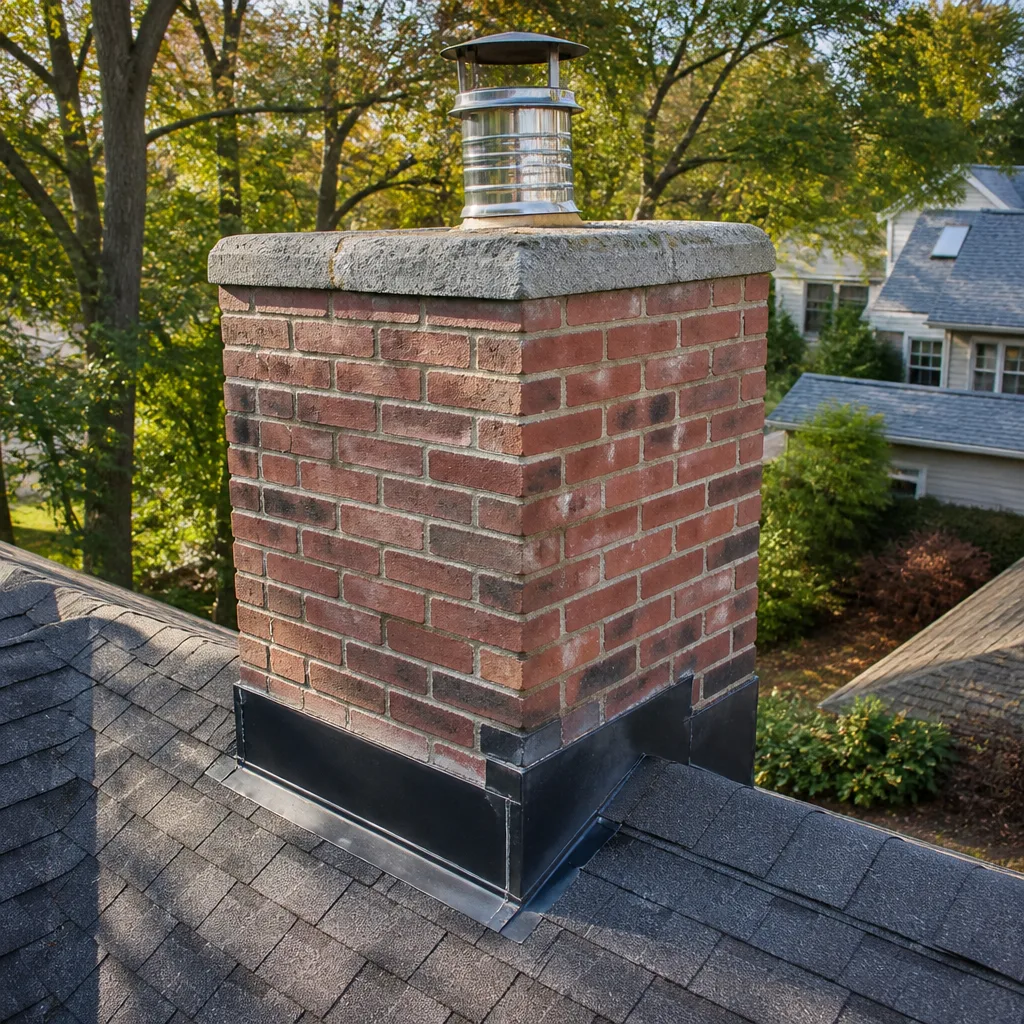
 Flue relining
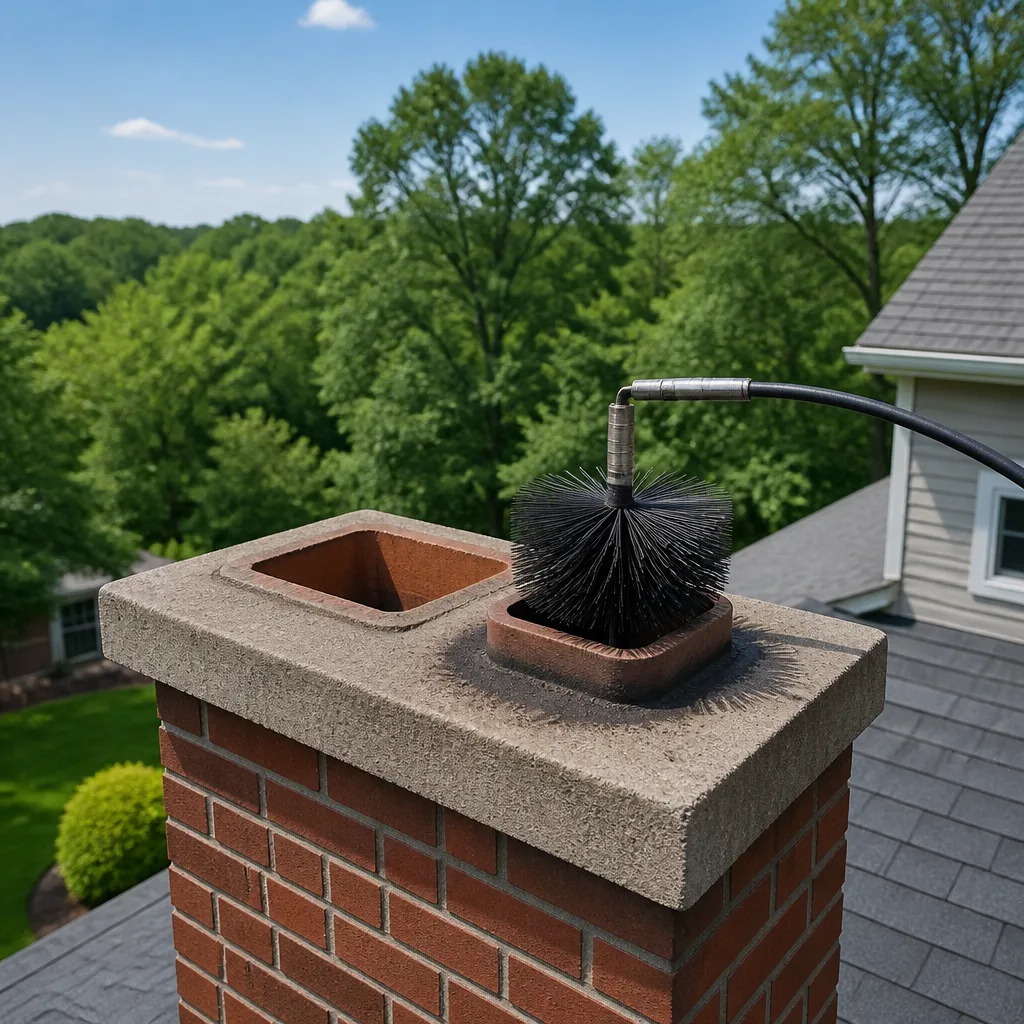 Sweep & inspection
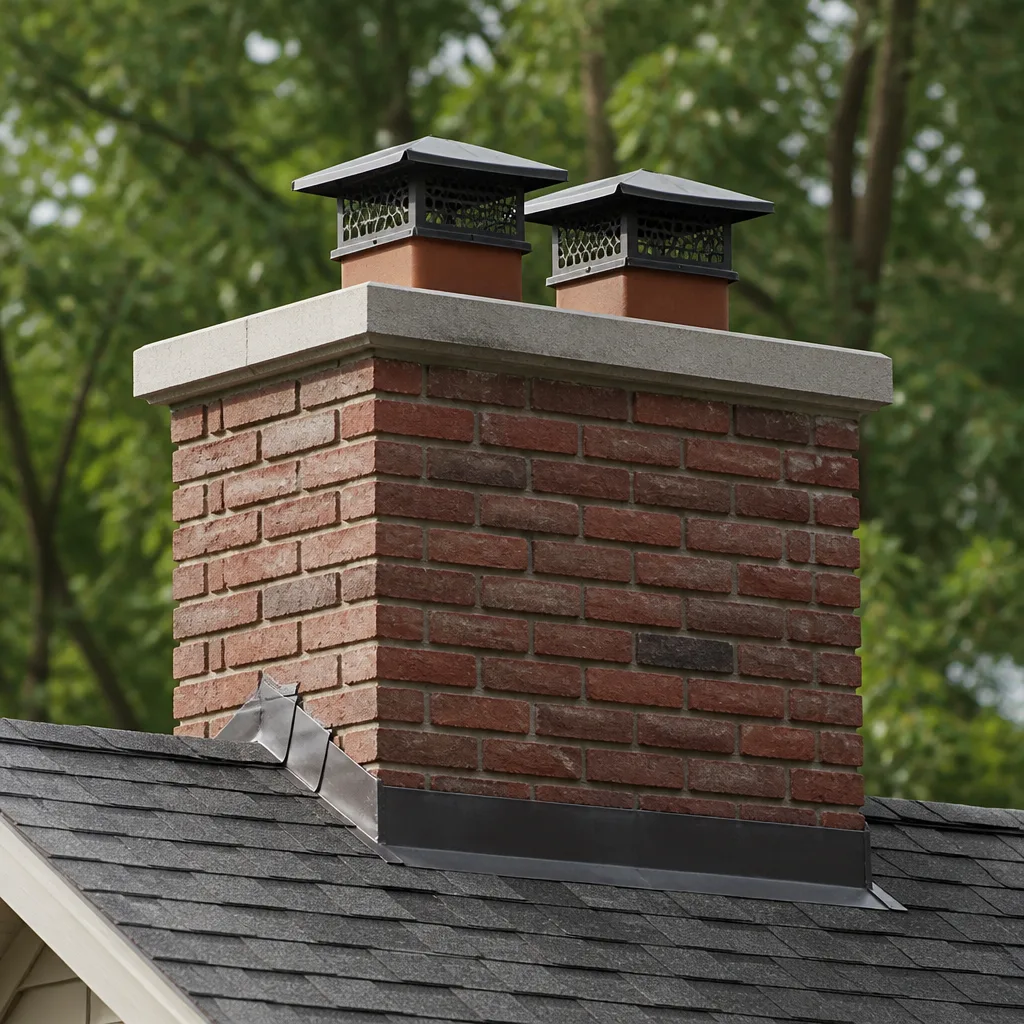 Caps & crowns
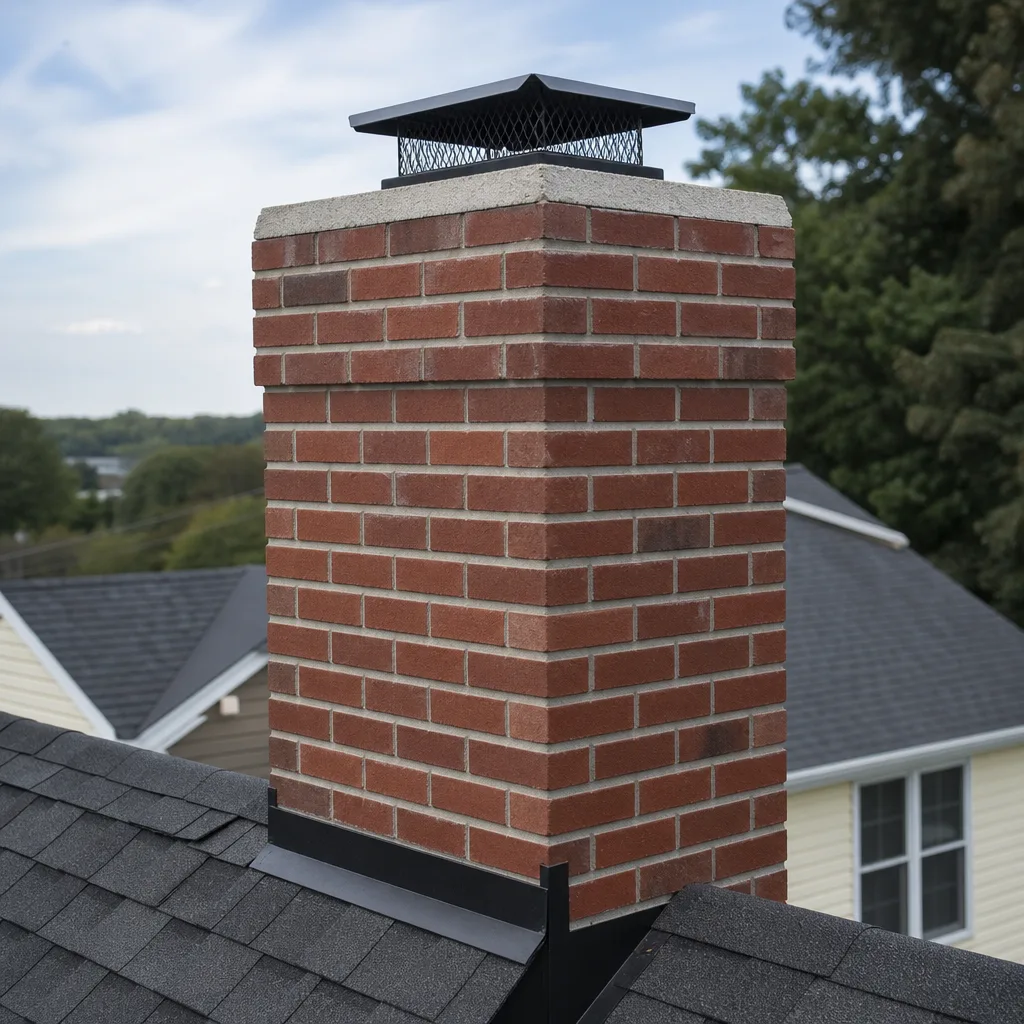 Masonry repair
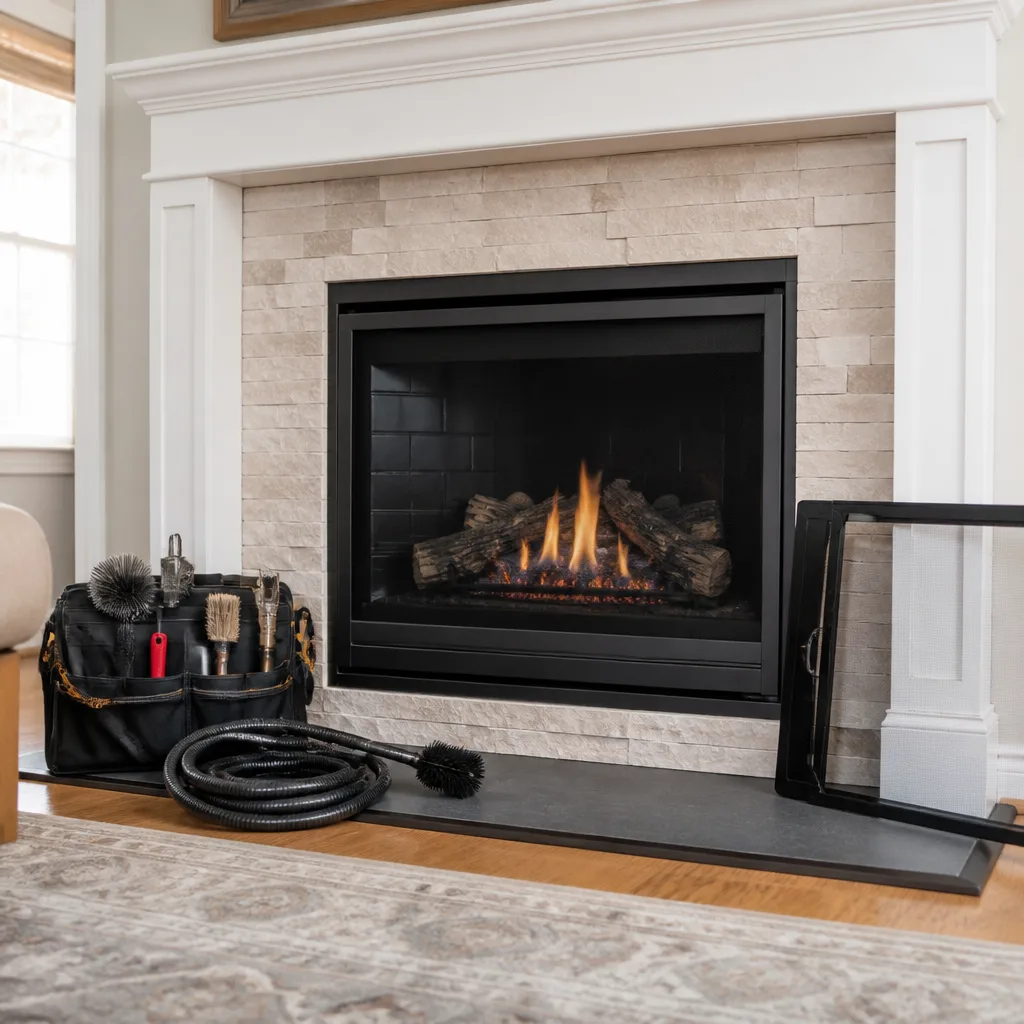 Gas fireplace service
Level 1 sweep and inspection to the NFPA 211 annual standard - flue, crown, cap, and flashing checked and photographed
Chimney sweep logs do not sweep chimneys. They loosen some creosote - which then falls where a brush and vacuum still have to collect it.
HeatShield Flue Liner Replacement: The San Jose Owner’s Guide
HeatShield flue liner replacement in San Jose typically runs $2,800 to $5,500 installed, depending on the height of your flue and how much of the original liner needs to come out first. We stock HeatShield cerfractory material on our trucks and can usually complete a full relining in one day once we’ve inspected the existing flue. Most San Jose homeowners discover the problem during a routine sweep or inspection: the camera shows a cracked original clay liner, or an older HeatShield application that has started to separate and flake. You’ll often see sandy material at the bottom of your firebox or smell a faint smokiness in the house even when the damper is closed.
What matters is that a failed liner doesn’t wait. A compromised HeatShield surface leaves gaps where heat and combustion gases can reach your home’s framing. We’ll walk through what fails, what a proper replacement looks like, and what it costs here in San Jose before you spend a dollar.
Which HeatShield Models This Applies To
HeatShield is a cerfractory flue sealant system, not a rigid liner. That distinction matters, because the replacement process for a HeatShield application is different from swapping out a stainless steel tube like DuraFlex or Gelco. HeatShield gets applied in two forms: a joint repair system where the cerfractory material seals gaps between existing clay tiles, and a full resurfacing system where the entire flue gets a new cast-in-place interior wall. If your existing HeatShield surface has failed, the fix is almost always a complete resurfacing: removing loose material, preparing the flue wall, and applying fresh cerfractory through an inflatable form that gets pulled out once the material cures.
HeatShield doesn’t use model numbers the way appliance brands do. What you’ll look for is a foil label on the chimney cap or a small brass plate near the firebox, usually dated with the original application year. If none is present, we measure the interior flue dimensions and check the remaining thickness with a borescope. One gotcha we see in San Jose: homes near Willow Glen and Cambrian with original 1960s clay liners often had a joint-only HeatShield application done 10 to 15 years ago. Those joint repairs hold reasonably well, but once a full resurfacing is needed, a partial touch-up won’t work. The new cerfractory needs a clean, uniformly prepared surface or it will spall again within a couple of seasons. OEM HeatShield materials are what we install, and we recommend staying with them rather than a generic equivalent. The chemistry and expansion characteristics are specific to the system.
Styles & brands we work with
Signs Your HeatShield Flue Liner Replacement Is Failing
Here’s what San Jose homeowners typically notice before we confirm the problem on camera:
- Gritty debris in the firebox after a burn. Cerfractory material doesn’t crack like clay. It spalls, which means it flakes away in small pieces. You’ll see what looks like coarse sand or small pebbles at the bottom of the fireplace.
- A faint smoke smell indoors, even with the damper closed. When the HeatShield surface separates from the underlying clay, small gaps open up. Combustion gases find those gaps and drift into wall cavities instead of venting through the cap.
- White or gray staining on the chimney exterior. This is efflorescence, a sign that moisture is moving through the masonry. A failing liner surface accelerates water intrusion from flue gases condensing inside the chimney.
- Reduced draft, especially on cold mornings. A rough, flaking liner surface creates turbulence. If your fires are harder to start now than they were a few years ago, or smoke rolls into the room on startup, the liner is often the culprit.
- A previous HeatShield application that’s now 10+ years old. The material is durable but not permanent. In San Jose’s wet winters and dry summers, thermal cycling takes its toll. Most applications we replace were installed between 2005 and 2015.
None of these symptoms means you definitely need a full replacement. It means you need a camera inspection. We run one on every liner evaluation at no charge, and you’ll see the footage yourself before we quote anything.
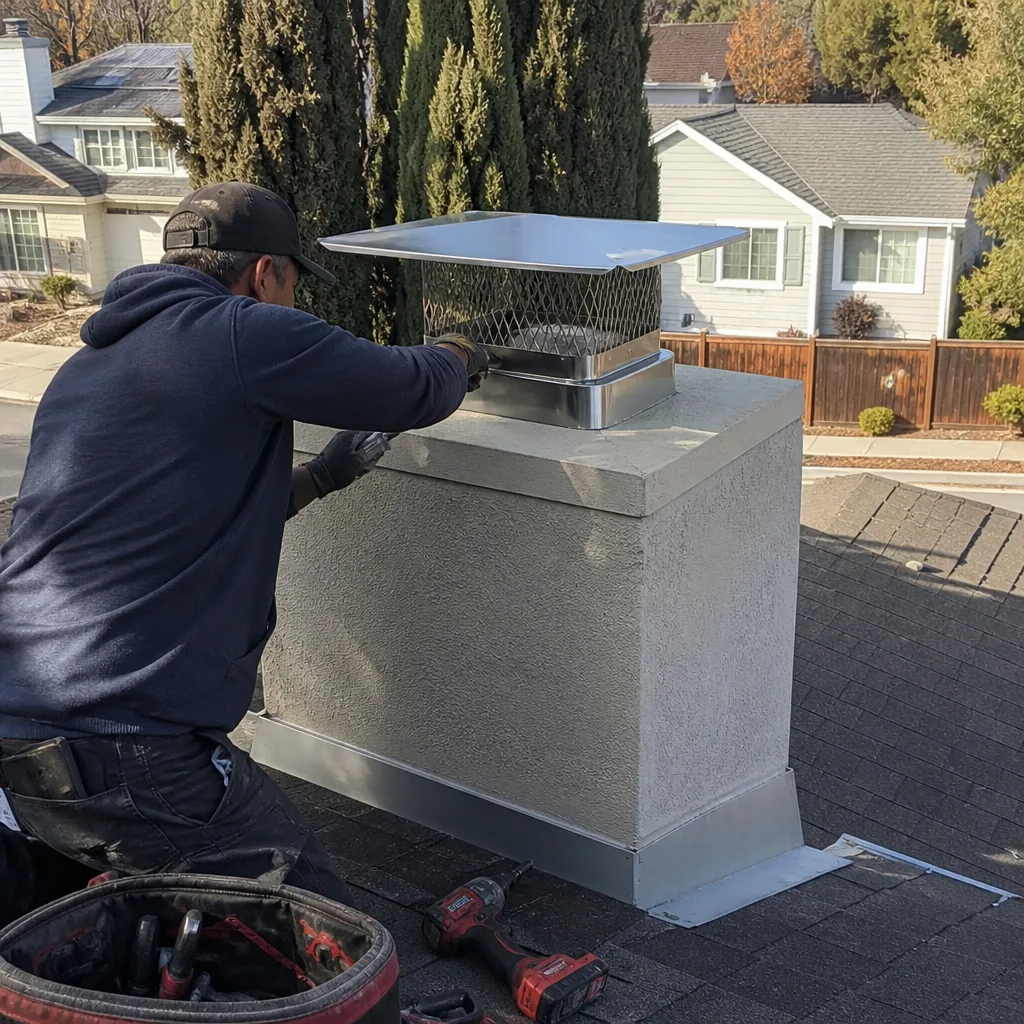
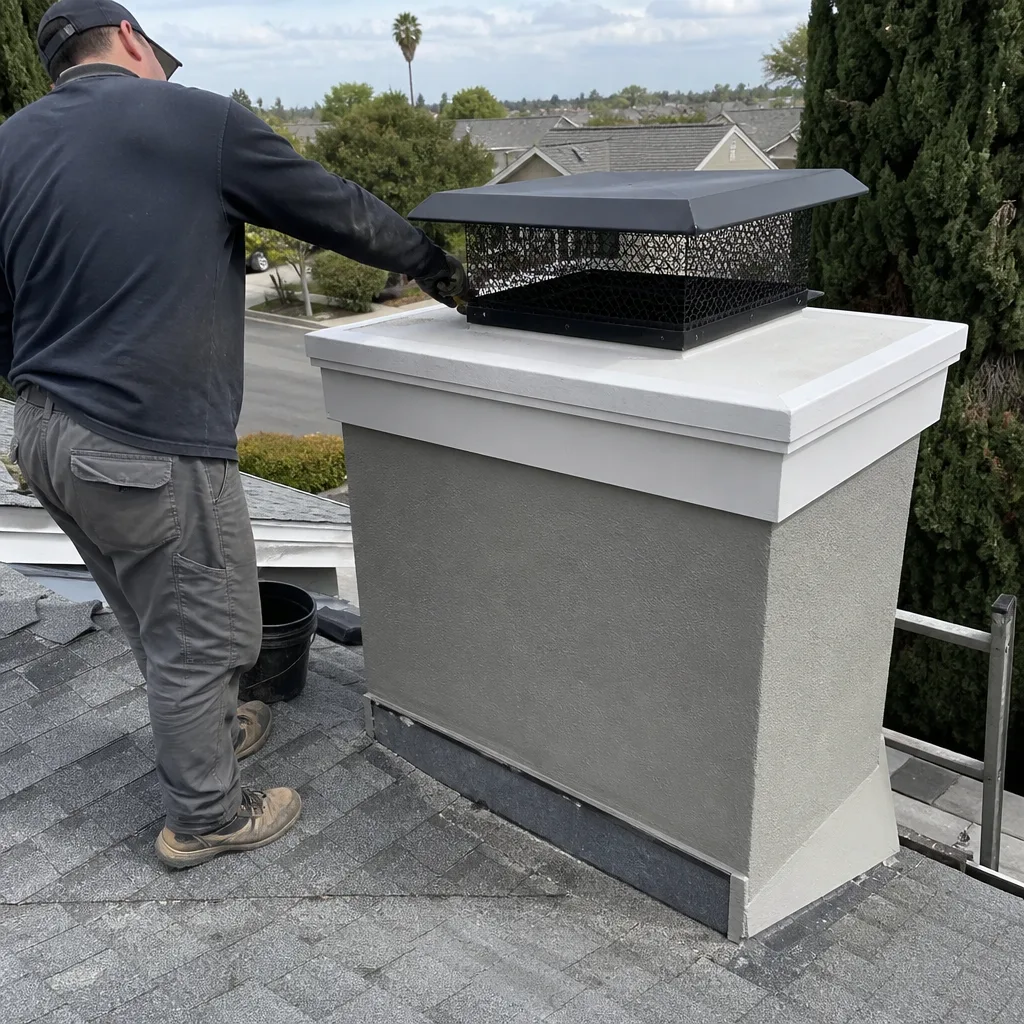
See the difference
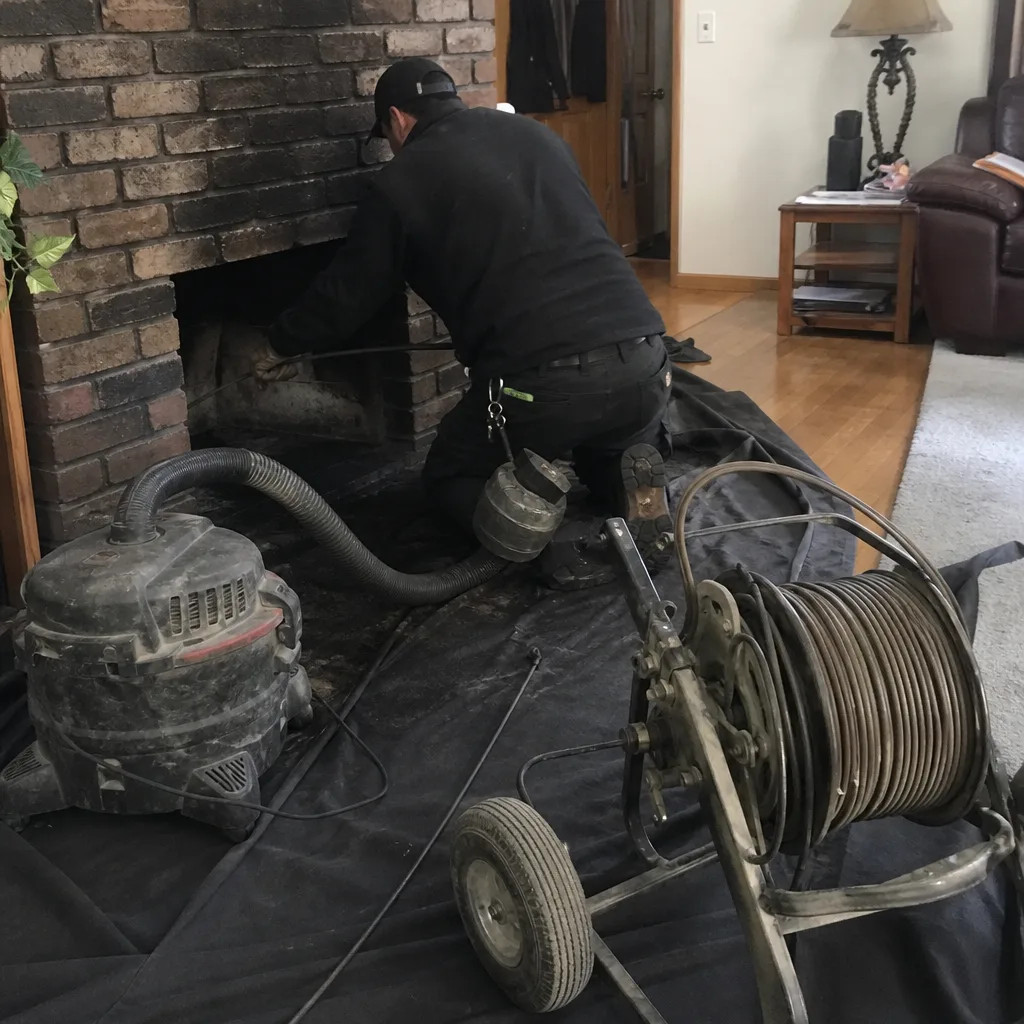 Before
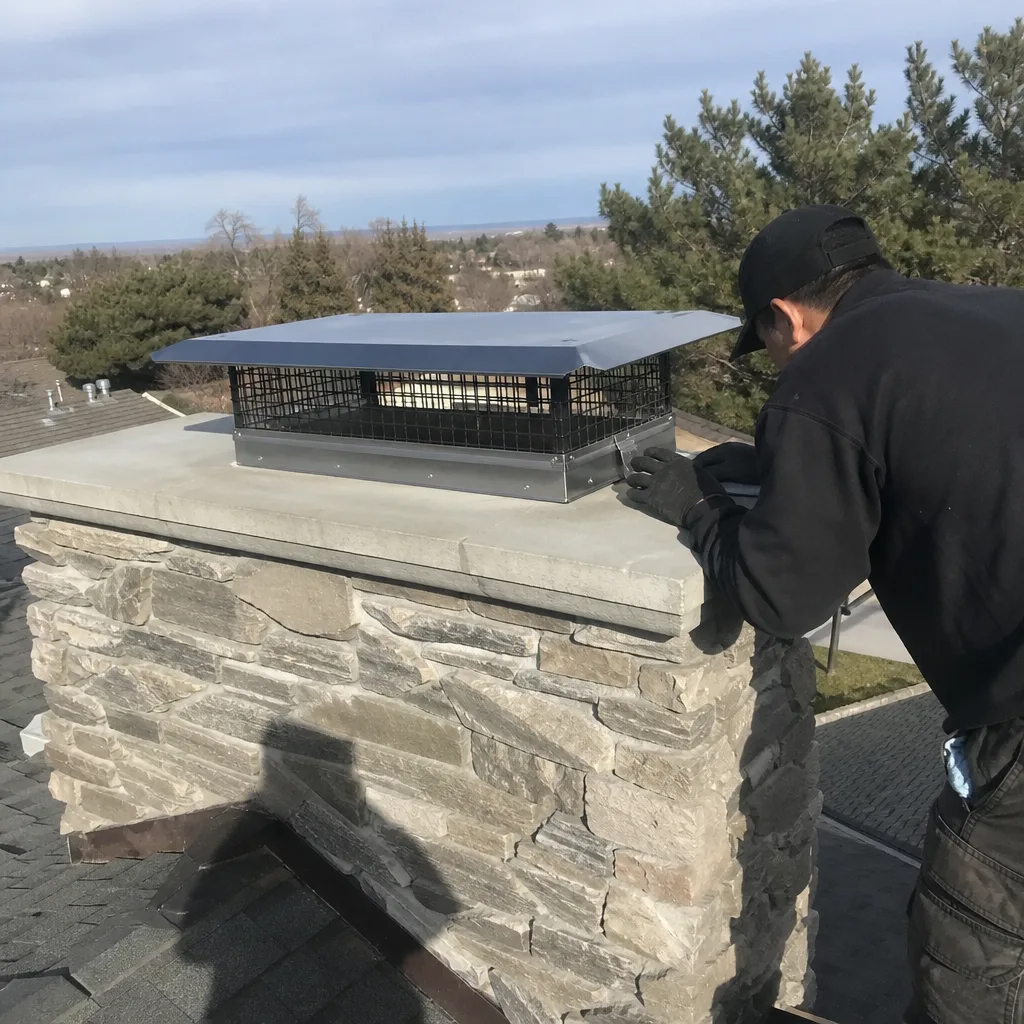 After
After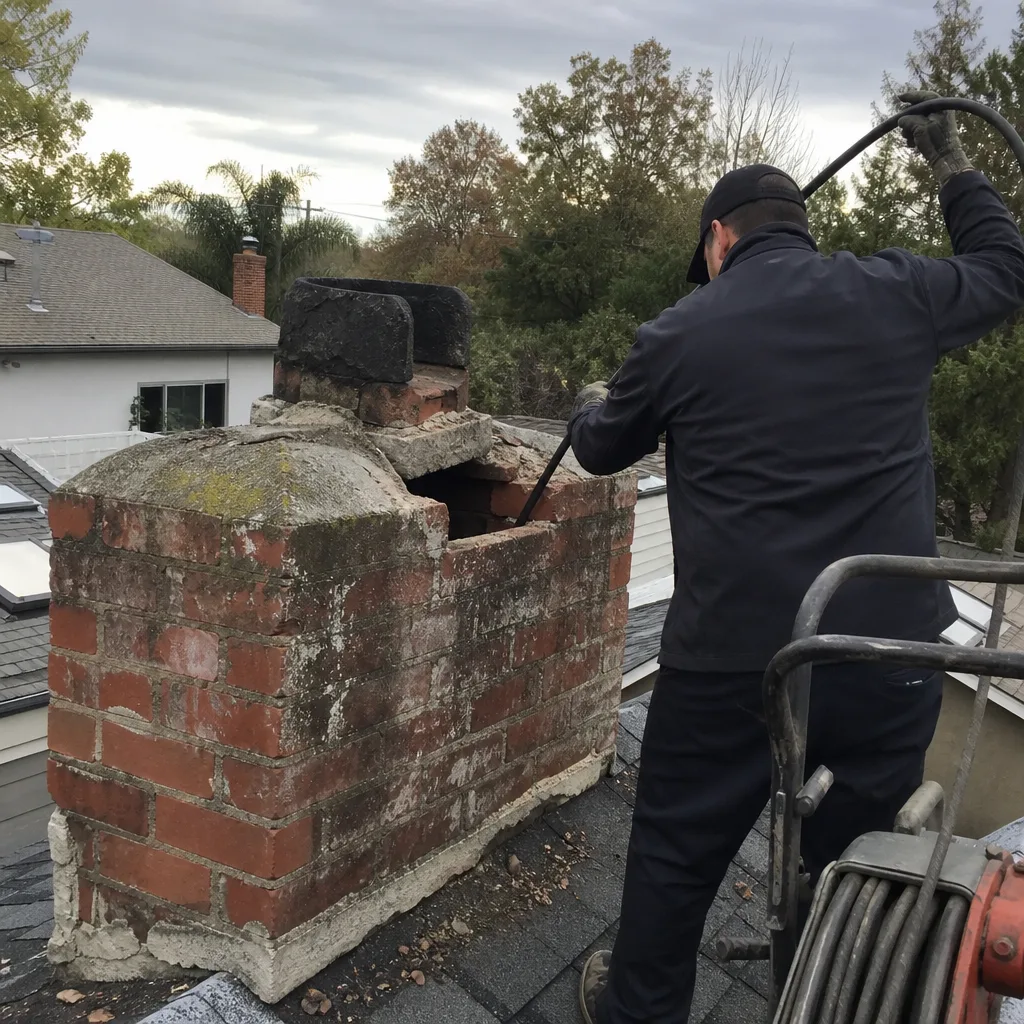 Before
 After
After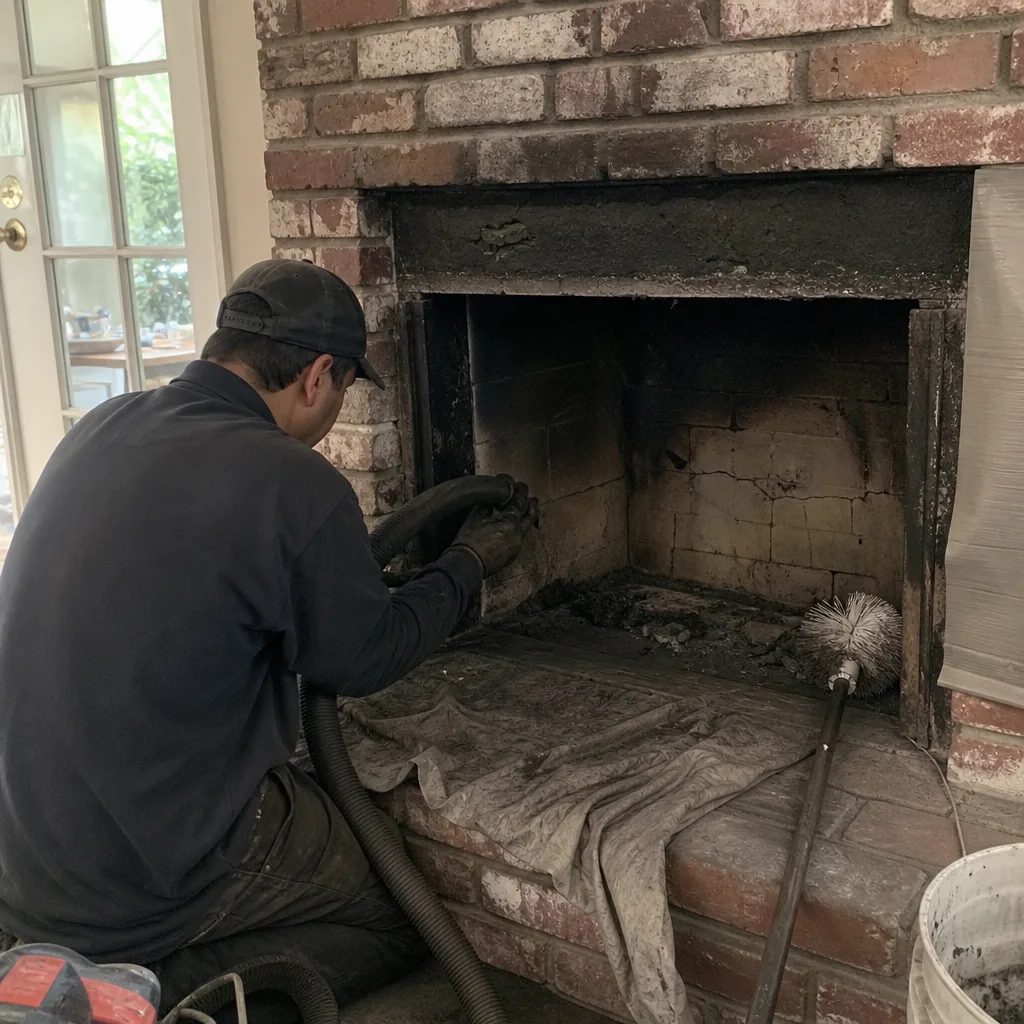 Before
 After
AfterReplacement Cost & What’s Included
Here’s what we quote in San Jose, in plain dollars:
- Single-story flue, full HeatShield resurfacing: $2,800 to $3,800
- Two-story flue, full HeatShield resurfacing: $3,800 to $5,000
- Flue with significant prep work (heavy spalling removal or partial clay tile replacement): $4,500 to $5,500
Every quote includes the camera inspection, preparation of the existing flue wall, the HeatShield cerfractory application, a final camera verification pass, and a written Kingswell Guarantee covering the repair. If the lining fails during the guarantee period, we come back and fix it at no charge. That’s the 365-Day Done Right Promise, and it’s printed on every invoice. No add-ons, no surprise line items at the end.
What drives the range? Mainly flue height and access. A steep roof near the Los Gatos foothills takes longer to stage safely. A badly spalled liner takes more prep time before new material can be applied. We’ll show you exactly what we’re seeing and why the price is what it is before the tarp goes down.
DIY or Call Us?
There’s a version of this job you can do yourself: monitoring. Check your firebox for gritty debris after each burn. Note any indoor smoke smell, especially on windy days. Look at the exterior chimney for staining. That’s useful information to have when you call us.
What you cannot safely do is resurface a flue yourself. HeatShield application requires a powered winch to pull the form through the flue, a video inspection system to verify coverage, and the cerfractory material itself, which isn’t sold at retail. If someone tries to sell you a “DIY HeatShield kit,” walk away. The material needs proper surface preparation and controlled cure time. A botched application leaves the flue worse than before, and you’ll pay more to fix it than a proper job would have cost in the first place.
If you’re seeing any of the symptoms above, call us at (669) 266-5073. We’ll get a camera in the flue and give you a straight answer, with a written price, before any work starts.
FAQs
A properly applied HeatShield resurfacing typically lasts 15 to 25 years in San Jose conditions. The biggest variables are burn frequency, wood type, and how well the original application was done. We see failures at the 10-year mark mainly on older applications where surface prep was rushed.
In most cases, no. Once the cerfractory surface starts spalling, the bond between the material and the underlying clay has failed in that area. Patching over a failed bond doesn’t last, and it gives a false sense of security. A full resurfacing is the honest fix. Call (669) 266-5073 and we’ll show you the camera footage so you can see why.
Most single-story flues are done in one day, including setup and cleanup. Two-story homes sometimes run into a second day if prep work is extensive. We’ll give you a firm completion window in writing when we quote the job.
We keep HeatShield cerfractory materials on our trucks for standard flue dimensions. For oversized or unusually shaped flues, we may need to order specific quantities, which adds a few days. We’ll tell you at the quote stage either way.
Ashby Chimney San Jose is an independent chimney service company, not affiliated with HeatShield. We use HeatShield, DuraFlex, and Gelco materials because they’ve held up in California chimneys, and we stand behind our work.
Written by Nathan Corliss, Owner, Ashby Chimney San Jose at Ashby Chimney San Jose, serving San Jose and nearby areas.