
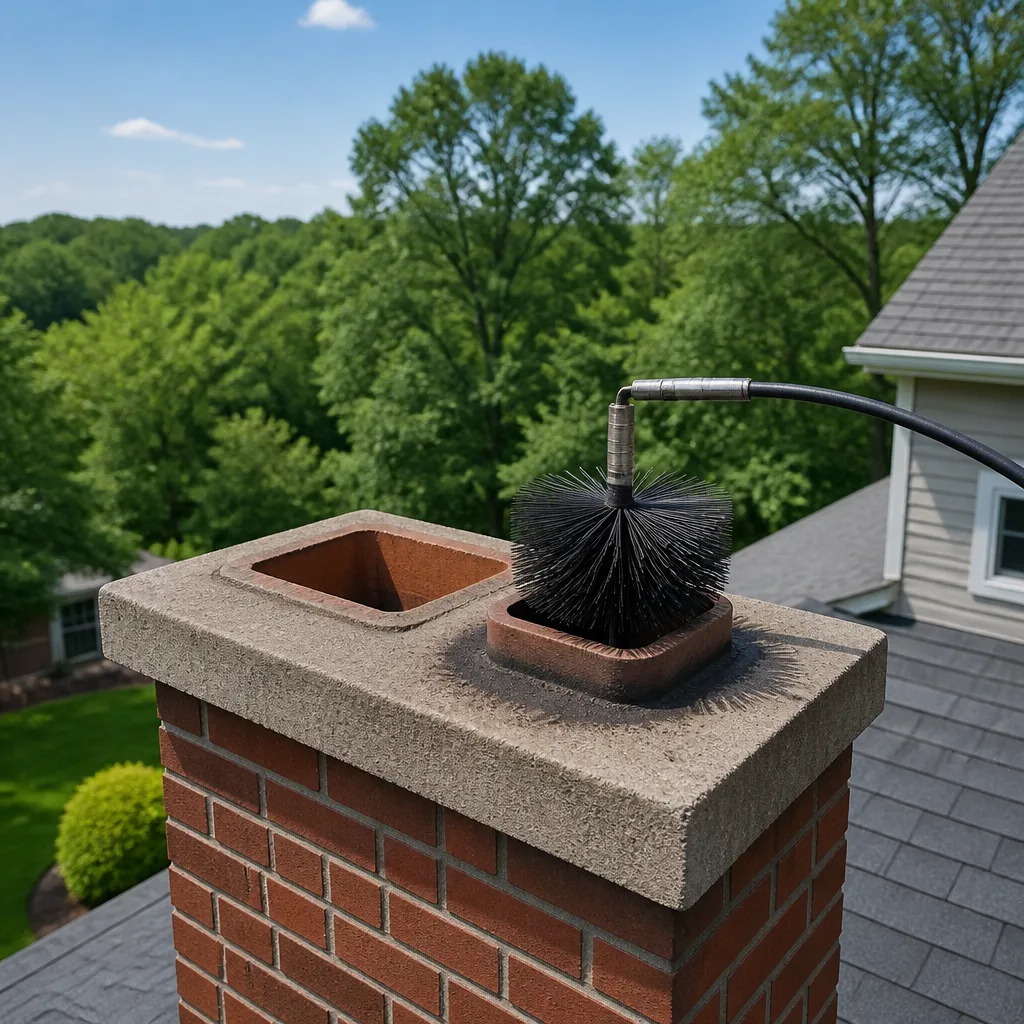
 Sweep & inspection
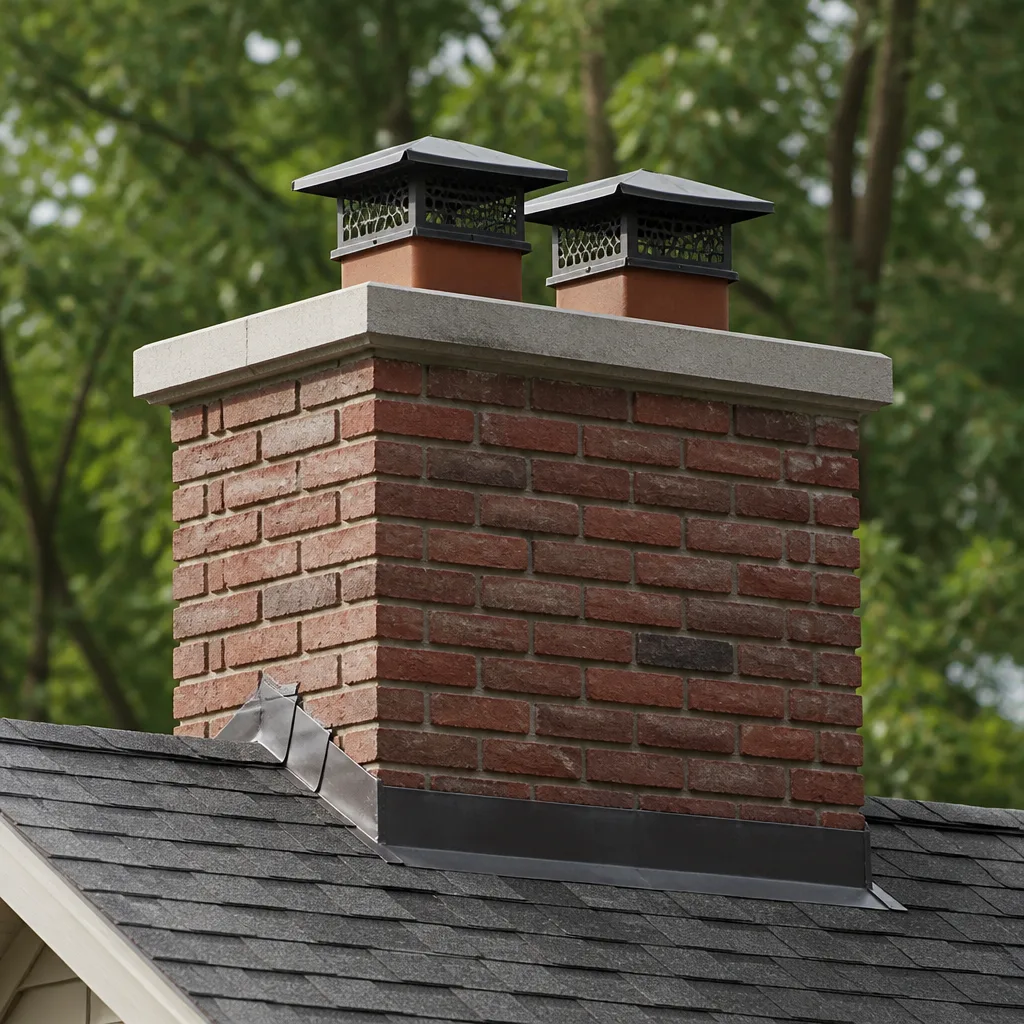 Caps & crowns
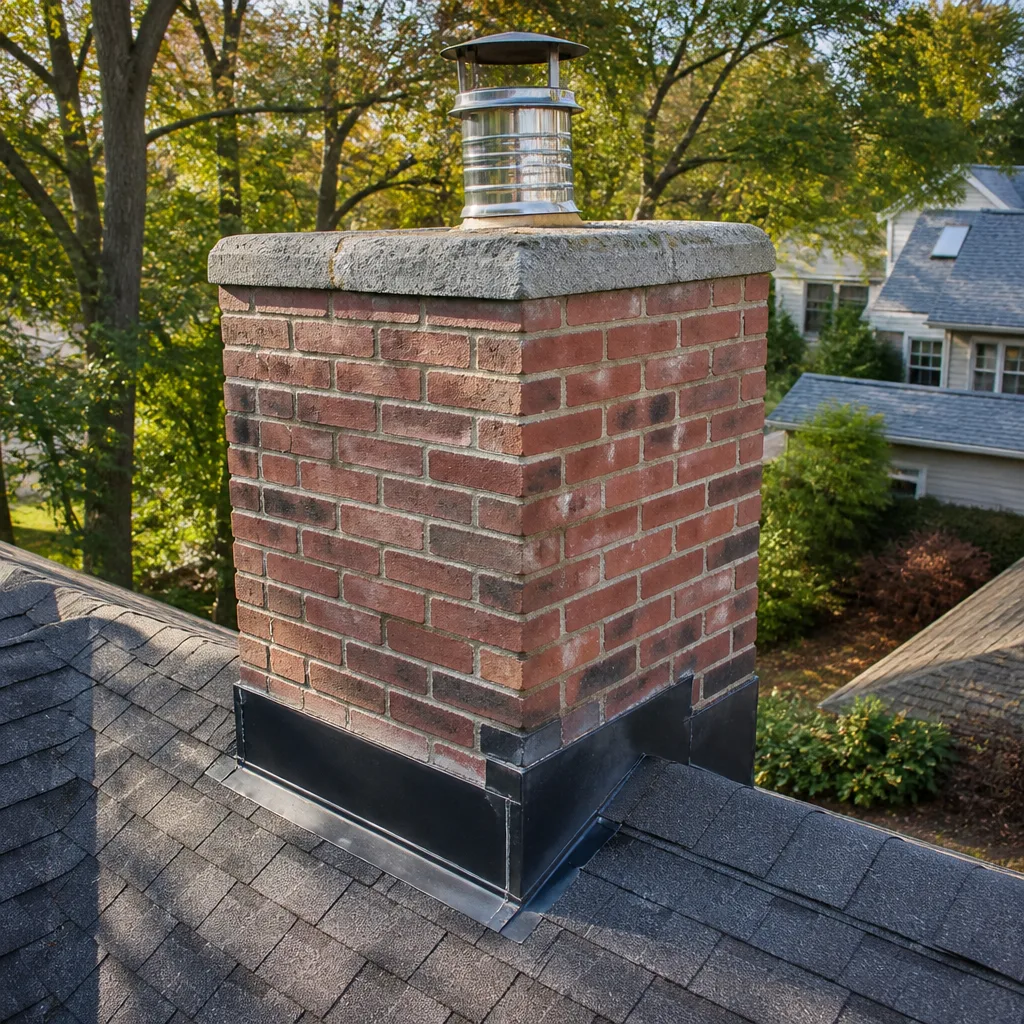 Flue relining
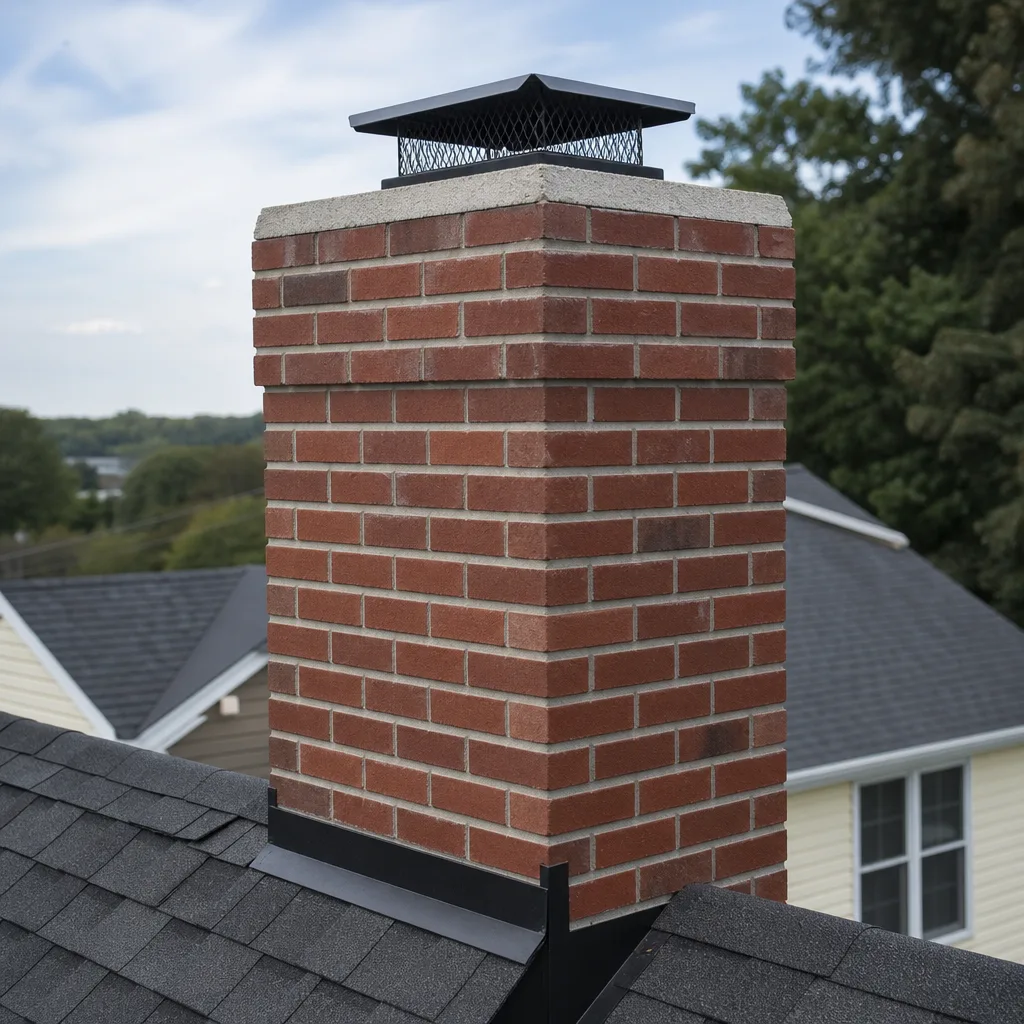 Masonry repair
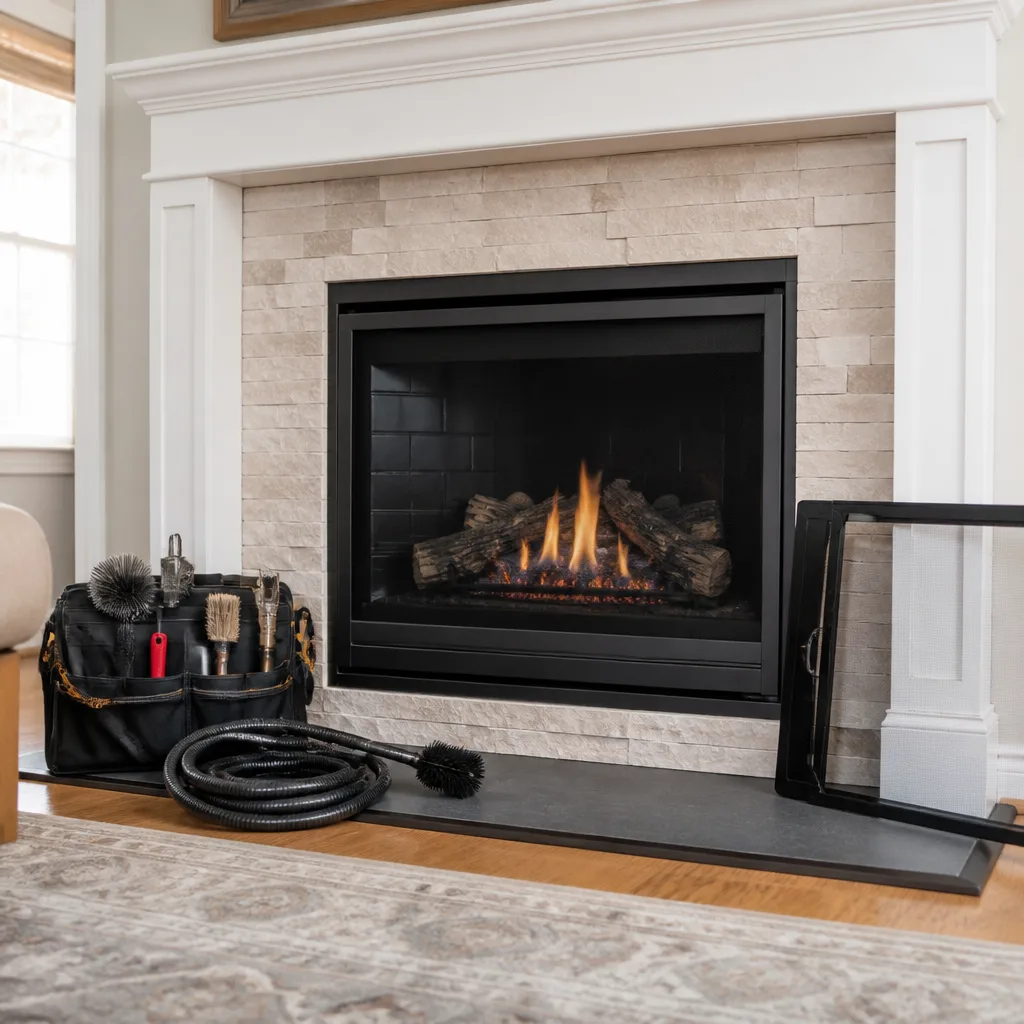 Gas fireplace service
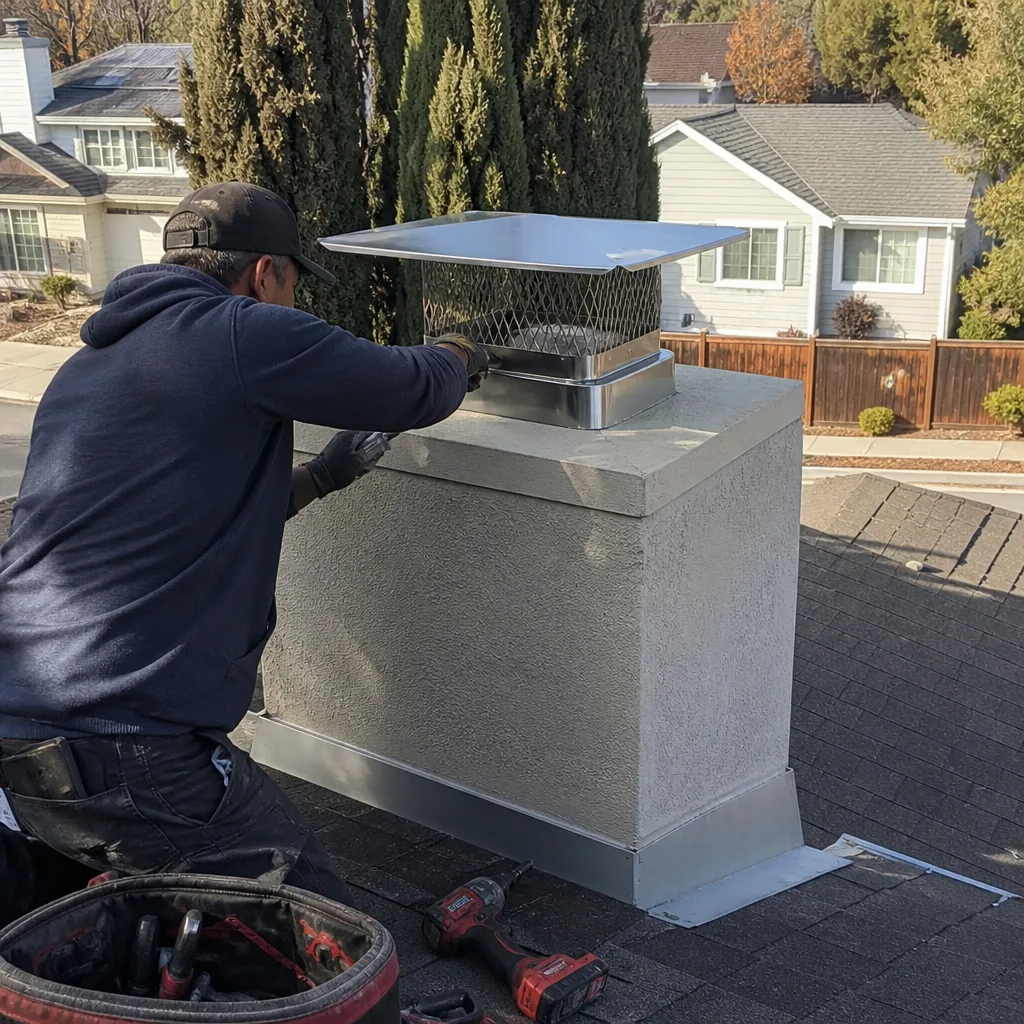
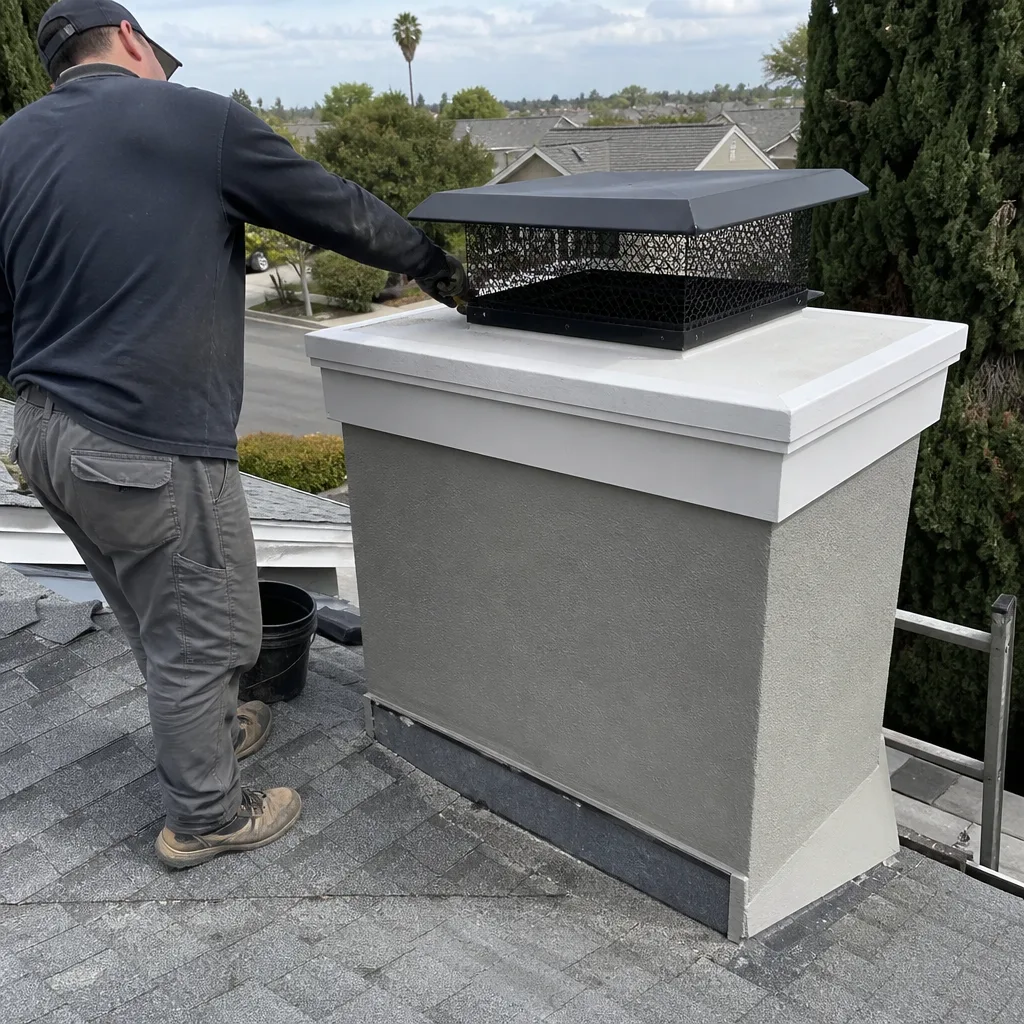
Level 1 sweep and inspection to the NFPA 211 annual standard - flue, crown, cap, and flashing checked and photographed
Chimney sweep logs do not sweep chimneys. They loosen some creosote - which then falls where a brush and vacuum still have to collect it.
Styles & brands we work with
See the difference
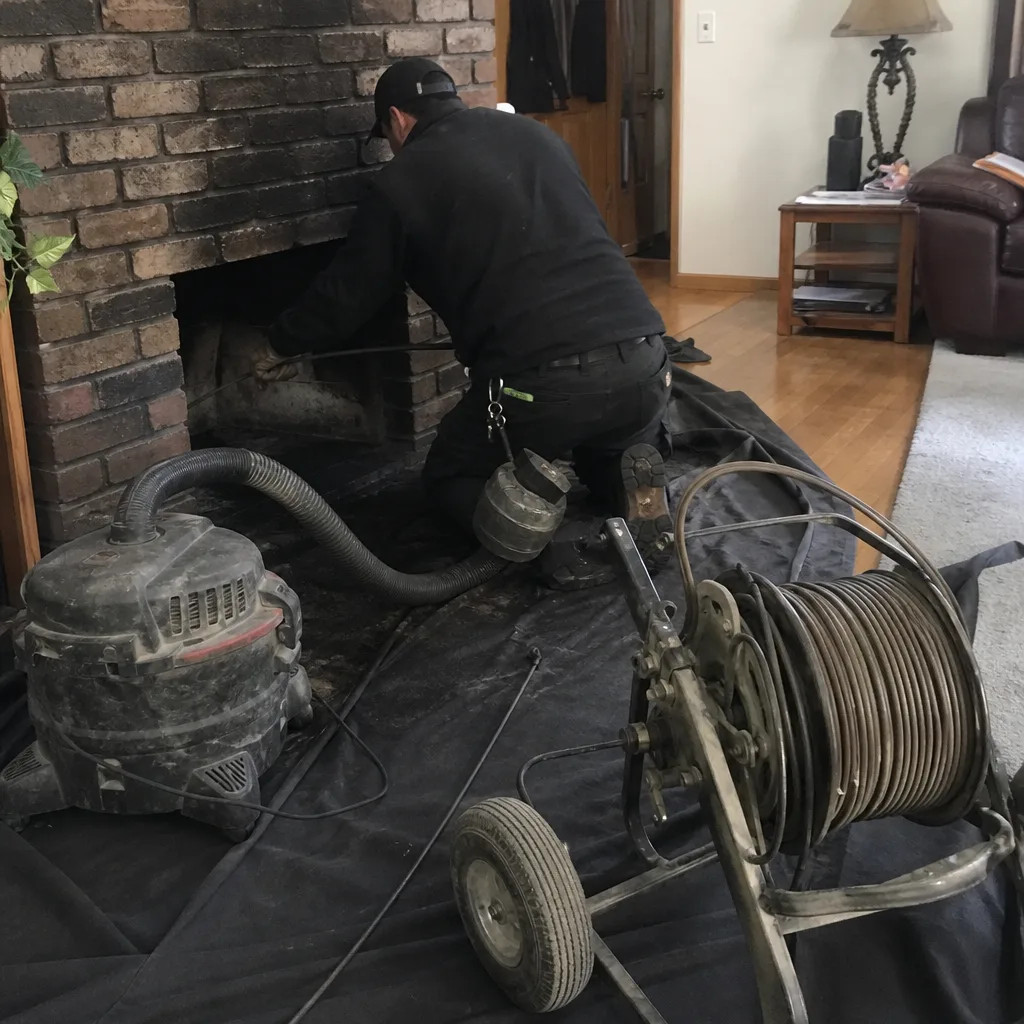 Before
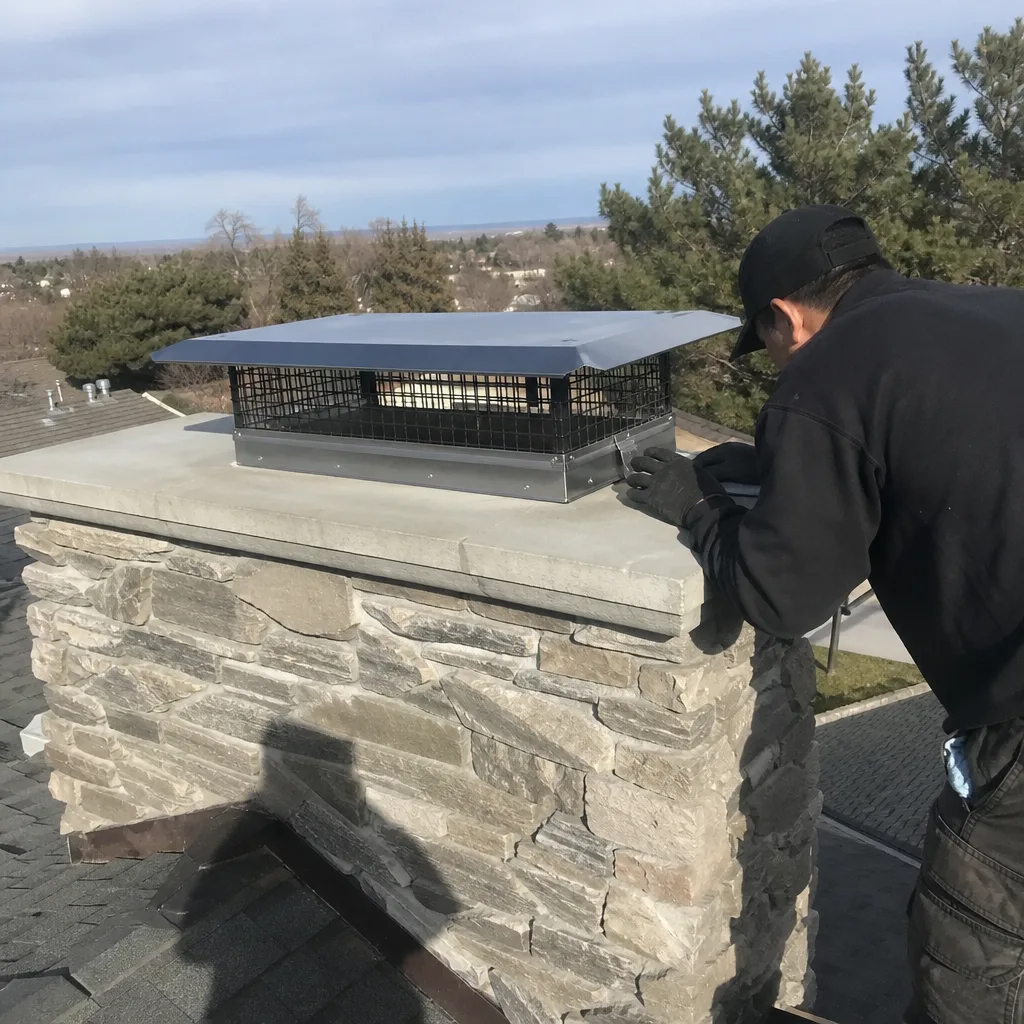 After
After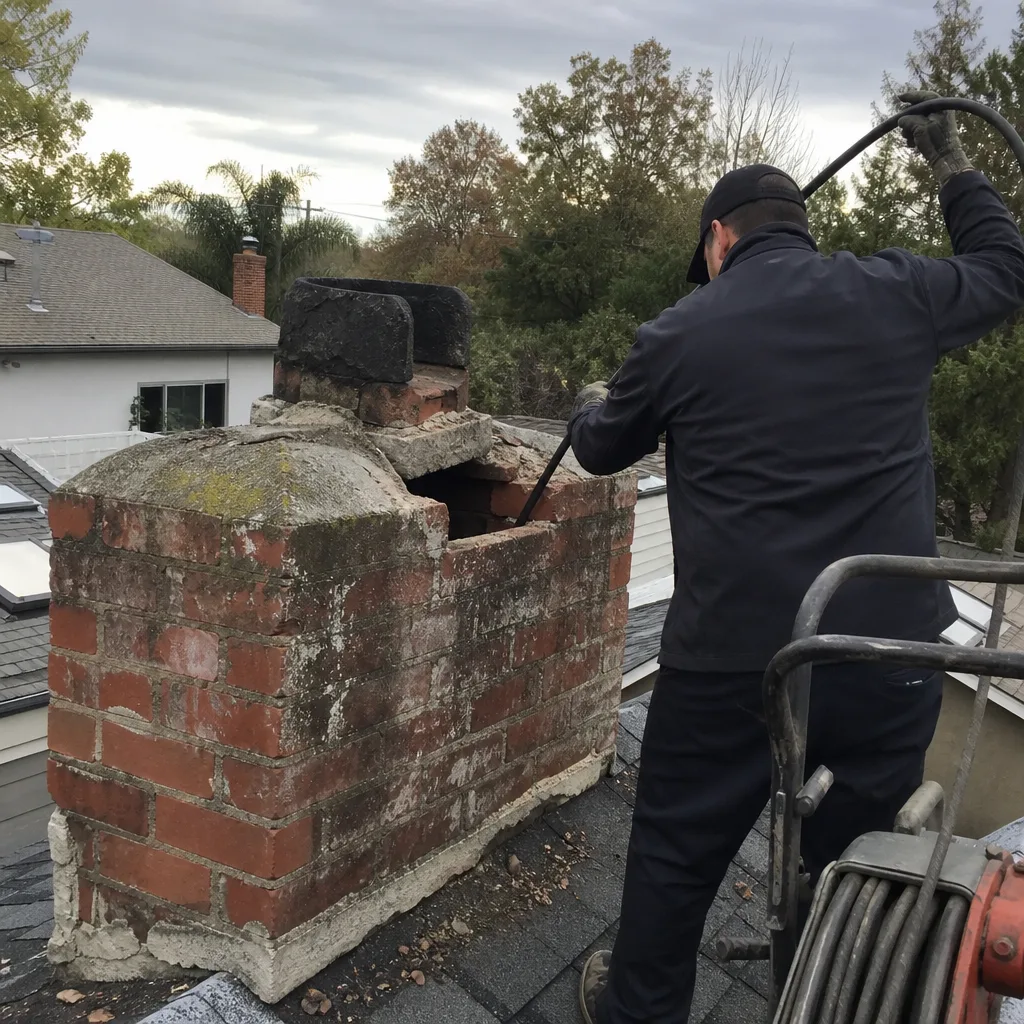 Before
 After
After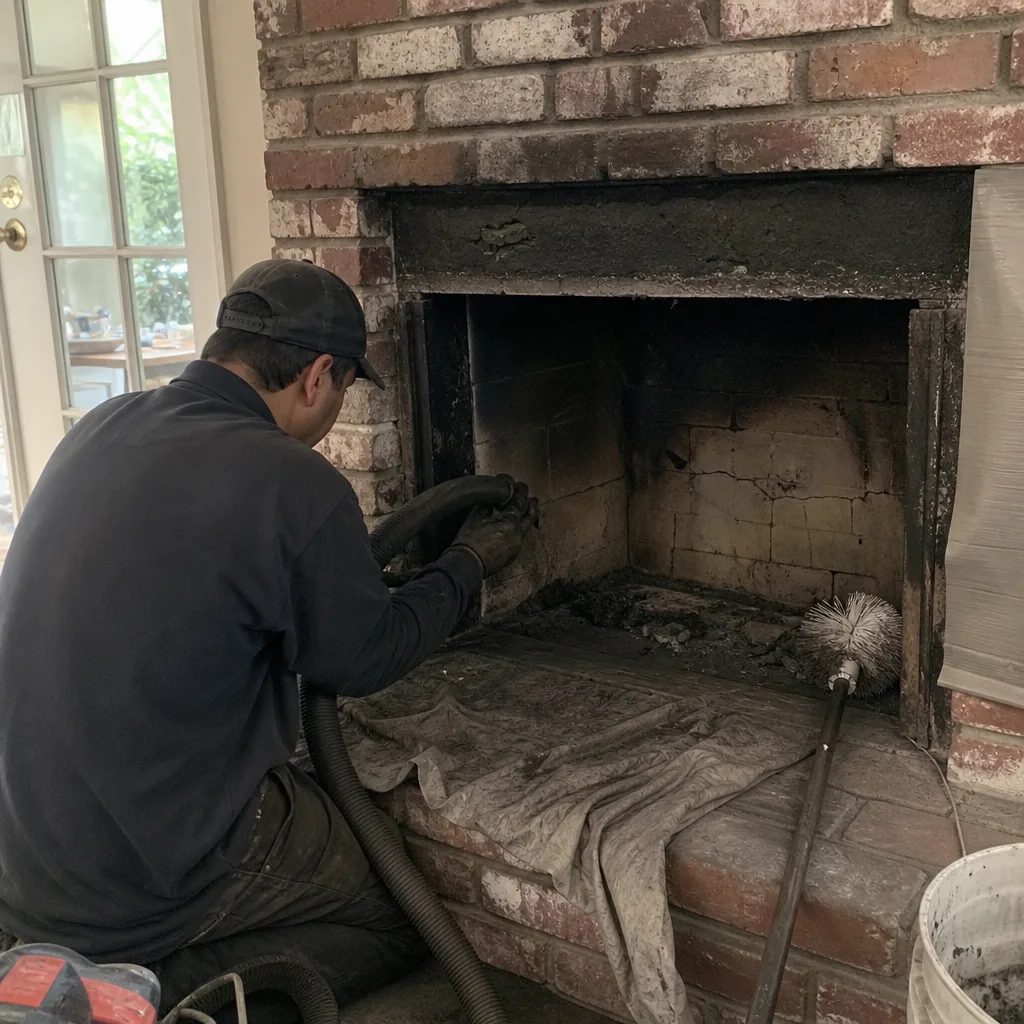 Before
 After
AfterCreosote Removal in San Jose, CA
Creosote removal costs between $180 and $420 in San Jose, depending on the degree of buildup in your flue. Most homeowners need this service every 1 – 2 years if they burn wood regularly, and Ashby Chimney San Jose completes the work in a single visit, usually under two hours. If you’re seeing flaky black residue or tar-like glaze inside your fireplace, call (669) 266-5073 and we’ll give you a written price before we touch anything.
Creosote is the byproduct of burning wood: smoke cools as it rises, and the unburned particles condense as a black, sticky or crusty deposit along the flue walls. Left alone, it hardens into a thick glaze that restricts airflow, corrodes your flue liner, and creates the fuel source for chimney fires. San Jose’s damp winter mornings and cool coastal air make creosote form faster here than in drier inland climates, because your fire burns cooler and produces more condensation in the flue. That’s why our Chimney Cleaning & Sweep in San Jose work almost always includes creosote assessment and removal as part of the job.
Ashby Chimney San Jose has been doing this work since 2002. Nathan Corliss runs the operation, and every job gets the same treatment: a written price before work starts, a written guarantee when it’s done, and a live person answering the phone at (669) 266-5073 any hour of the day. We carry ash right in the name. It’s what we do.
When You Need Creosote Removal
Most San Jose homeowners call us after noticing one of these signs. If any of them sound familiar, you’re overdue for a flue cleaning.
- Black, flaky residue falling into the firebox. This is stage-one creosote. It looks like coffee grounds or dark cornflakes. It brushes off easily at this point, but it builds fast if you burn softwood like pine or fir, which is common in San Jose because it’s cheap and plentiful from local suppliers.
- A shiny, tar-like glaze on the flue walls. Stage-three creosote is hardened and fuel-rich. It does not brush off. It requires rotary cleaning or chemical treatment. If you see a glazed surface when you shine a flashlight up the flue, stop burning and call us.
- Smoke backing up into the room. When creosote narrows the flue passage, your chimney can no longer draft properly. You’ll notice smoke lingering instead of rising, or a campfire smell in the house even when the fire is out. Homes in Almaden Valley and Willow Glen with taller chimneys see this more often because of the longer flue runs.
- Reduced draft or difficulty starting a fire. A partially blocked flue starves the fire of oxygen. If you need to crack a window to keep the fire burning, creosote is a likely culprit.
- You burn wood more than once a week during winter. The National Fire Protection Association recommends annual inspection and cleaning when you burn regularly. In San Jose, where many homes use fireplaces as supplemental heat from November through February, that adds up to roughly a cord of wood per season and a measurable creosote layer every year.
- It’s been more than 18 months since your last sweep. Even if everything looks fine, creosote accumulates below the visible firebox. The dangerous deposits are usually 10 to 15 feet up, where the flue passes through the cold attic space. That’s where the most condensation happens in a San Jose winter.
Our Creosote Removal Process
We follow the same steps on every creosote job in San Jose, from studio condos near downtown to larger ranch homes in Cambrian and Evergreen. The process is straightforward, and you’ll know what we’re doing before we begin.
- Visual inspection of the firebox, damper, and flue. We look for the creosote stage, any obstructions, and signs of flue liner damage. We also check whether birds nested during the off-season, which is common in San Jose’s mature tree canopy neighborhoods.
- Sealed work area. We lay drop cloths around the hearth and use a HEPA-filtered vacuum to keep ash and creosote dust out of your living space. Your furniture stays clean, and so does the air you breathe while we work.
- Mechanical removal with brushes and rotary tools. For stage-one and stage-two creosote, professional-grade wire or poly brushes are run through the flue from the top down or bottom up, depending on your roof access. In Rosicrucian and Shasta-Hanchett neighborhoods with older tile roofs, we typically work from inside to avoid roof traffic.
- Glaze treatment for stage-three creosote. Hardened glaze does not brush off. We apply a chemical treatment that breaks the glaze down over a period of days, then return to remove the loosened material. We tell you upfront if this second step is required and include it in your written price.
- Final inspection and report. We run a camera up the flue when the job requires it, or do a visual confirmation with a mirror and light. You’ll see what we see, and we’ll tell you in plain terms what condition your flue liner is in and whether any follow-up masonry or liner work is recommended.
Every step above is covered under our written guarantee. If we miss creosote that we should have removed, we come back and correct it at no charge inside the guarantee period. That’s the 365-Day Done Right Promise, and it’s not optional. It’s the Kingswell Way: say the price, show up in the window, leave it cleaner, put the guarantee in writing, and come back if it fails.
Creosote Removal Pricing in San Jose
Most creosote removal jobs in San Jose fall between $180 and $420. The simple jobs, where a homeowner keeps up with annual maintenance and has stage-one buildup, run $180 to $240. The heavier jobs with stage-two or stage-three creosote, or flues that are 30 feet or taller, run $280 to $420. If we need to apply a chemical glaze treatment and return for a second visit, that’s quoted separately before we start, never after we finish.
What affects the price:
- Flue length and height. A two-story home in Berryessa with a 35-foot chimney costs more to clean than a single-story rancher with a 15-foot flue. More vertical feet means more scrubbing and more time on the roof or ladder.
- Creosote stage. Stage-one brushes off in one pass. Stage-three takes multiple passes, chemical treatment, and a return trip. The labor difference is significant.
- Obstructions and nests. If a bird or squirrel got into the flue, removal adds time. We see this often in San Jose hillside communities like Alum Rock and east of 680, where oak and eucalyptus trees sit close to rooflines.
- Liner material. Clay tile liners are more delicate than steel. If your home was built before 1980, you likely have a clay liner, and we clean it with extra care to avoid cracking. Steel liners installed with materials like DuraFlex or Olympia Chimney components are more forgiving and typically clean faster.
If your flue liner shows cracks during the job, we may recommend a repair product like HeatShield or Gelco for a resurfacing option, or a stainless steel liner replacement where the damage is too far gone. That’s a separate scope of work and a separate written quote. You’ll never get a surprise line item on the final invoice. The number on the invoice is the number we quoted before we started.
Call (669) 266-5073 for a free estimate. We answer the phone with a live person, 24 hours a day, and we’ll give you a straightforward price range based on your home and your history.
Why San Jose Homeowners Choose Ashby Chimney San Jose
We’re a local chimney company that has been cleaning flues in San Jose since 2002. Nathan Corliss set the standard from day one: show up when you say you will, charge what you said you’d charge, and stand behind the work. Those are not marketing phrases. They’re the requirements we hold ourselves to on every job.
Here’s what that means for you in practice:
- Written price before any work starts. We look at your chimney, we tell you what it costs, we write it down. The price is the price.
- Written guarantee on every repair. Your creosote removal is covered. If a covered repair fails, we return at no charge during the guarantee period. That’s the 365-Day Done Right Promise, and it’s backed by the Kingswell Guarantee on every Ashby job.
- Background-checked, uniformed technicians. You’ll know exactly who is walking into your home. No surprises, no random subcontractors.
- Live phone answer, 24/7. You call (669) 266-5073 and a person picks up. Even at midnight on a rainy San Jose night when your fireplace is smoking and you don’t know what to do.
- Materials from chimney-trade suppliers. When repairs are needed, we use products from names like Famco, HeatShield, and Olympia Chimney. Not whatever was left in the van.
Creosote Buildup in San Jose: What Makes It Different Here
San Jose’s climate shapes creosote formation in ways that flat, dry inland cities don’t experience. The overnight marine layer from the bay raises humidity, especially in neighborhoods west of 87 like West San Jose and Cupertino-adjacent areas. Cool, moist air cools the flue faster, which means smoke condenses earlier in its journey up the chimney. That condensation is creosote in liquid form before it hardens.
Homes in the hills east of 101, including parts of Milpitas-adjacent north San Jose and the Alum Rock corridor, burn wood more frequently due to colder nights and a higher concentration of fireplaces that pre-date central heating. Those homes often produce stage-two creosote within a single season when homeowners neglect the annual sweep.
Another San Jose-specific factor: many older homes in the Rose Garden and Naglee Park neighborhoods have original clay tile liners from the 1940s through 1960s. Creosote does not bond to clay the same way it bonds to steel, but when it accumulates in the tile joints, it’s harder to remove without damaging the liner. We adjust our technique accordingly, using softer poly brushes and lower-rotation rotary speeds on these older systems.
The Safety Reality of Creosote
Creosote is combustible. That’s the long and short of it. The moment it reaches roughly a quarter-inch of thickness, a hot fire or a spark can ignite it, and chimney fires burn at temperatures that can crack clay liners, melt steel, and spread to surrounding framing. More than a third of residential structure fires that begin in fireplaces or chimneys trace back to unremoved creosote.
Chimney fire signs you may have experienced without knowing it: a loud rushing or roaring sound from the flue, like a freight train overhead, and dense smoke pouring from the chimney top. If you’ve heard that sound, even once, the fire already happened. Call for an inspection before you light another fire. Our technicians know what to look for after a chimney fire, including liner fractures and damaged mortar joints that can go unnoticed for years.
Creosote removal is not a do-it-yourself project. The flue is dark, narrow, and often accessed from a roof that is steep or wet, and the residue itself is a chemical irritant that clings to skin and lungs. We use professional rotary equipment, HEPA filtration, and proper ladder and roof safety practices on every San Jose job.
FAQs – Creosote Removal
How often should creosote be removed in San Jose?
Creosote should be removed every year if you burn wood regularly, and at minimum every two years even if you only burn occasionally. San Jose’s humid winter air accelerates creosote formation compared to inland cities, so an annual check is the safest schedule. Call (669) 266-5073 and we’ll take a look and tell you honestly whether you need a cleaning now or can wait.
Can creosote removal be done in one visit?
Stage-one and stage-two creosote removal is completed in a single visit, and most San Jose jobs take between one and two hours. Stage-three glaze buildup requires a chemical treatment that works over several days, followed by a second visit to remove the loosened deposits. We tell you which category your flue falls into before we start, so there are no surprises.
Is creosote removal covered by homeowner’s insurance?
Routine creosote removal is considered maintenance and is generally not covered by homeowner’s insurance. However, if your chimney has fire damage from a creosote ignition, your insurance policy may cover the repair. We can document conditions with photos and a written report if you need to file a claim.
How much does creosote removal cost in San Jose?
Creosote removal costs between $180 and $420 for most San Jose homes, with the average falling near $250. Two-story homes with taller flues and stage-three buildup run toward the higher end. We give every homeowner a written price before we begin, and the number on your invoice matches that written quote. Call (669) 266-5073 for a free estimate; we answer live, day or night.
Written by Nathan Corliss, Owner at Ashby Chimney San Jose, serving San Jose.