
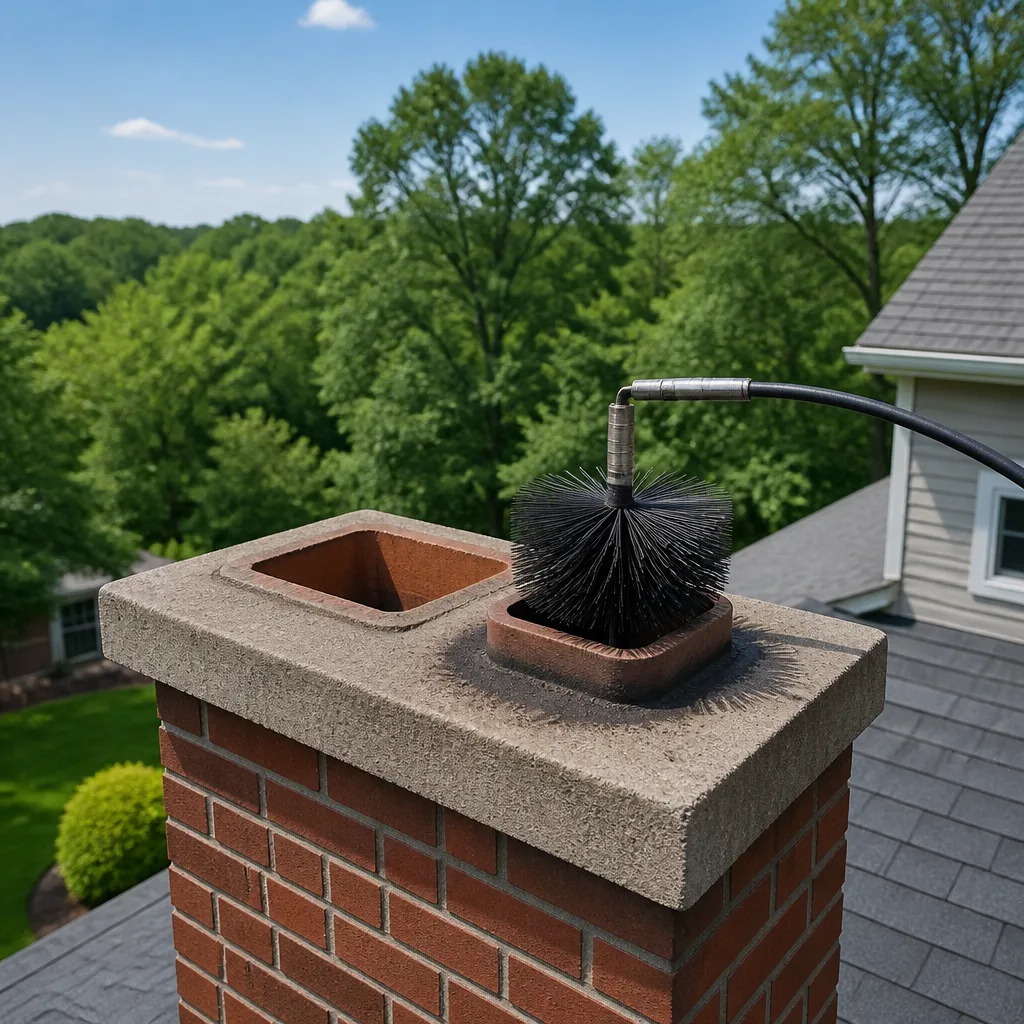
 Sweep & inspection
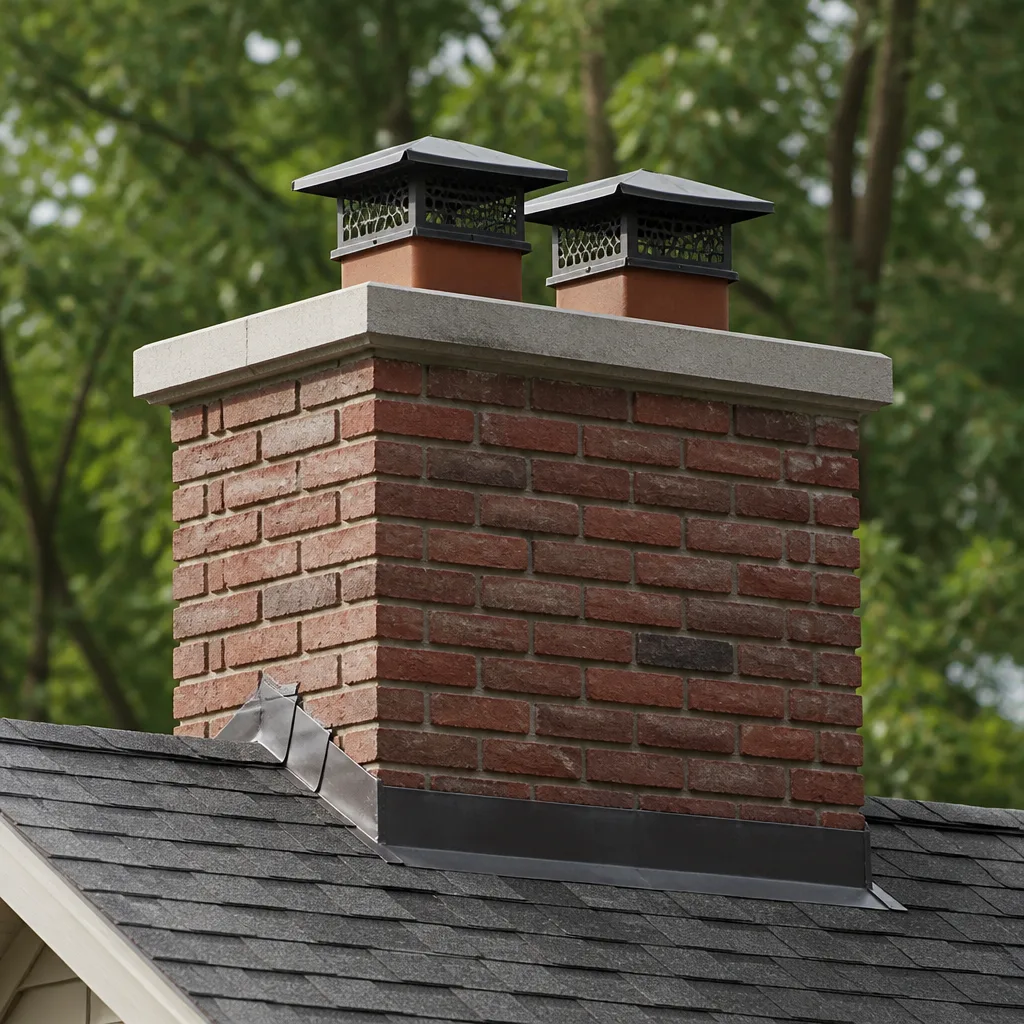 Caps & crowns
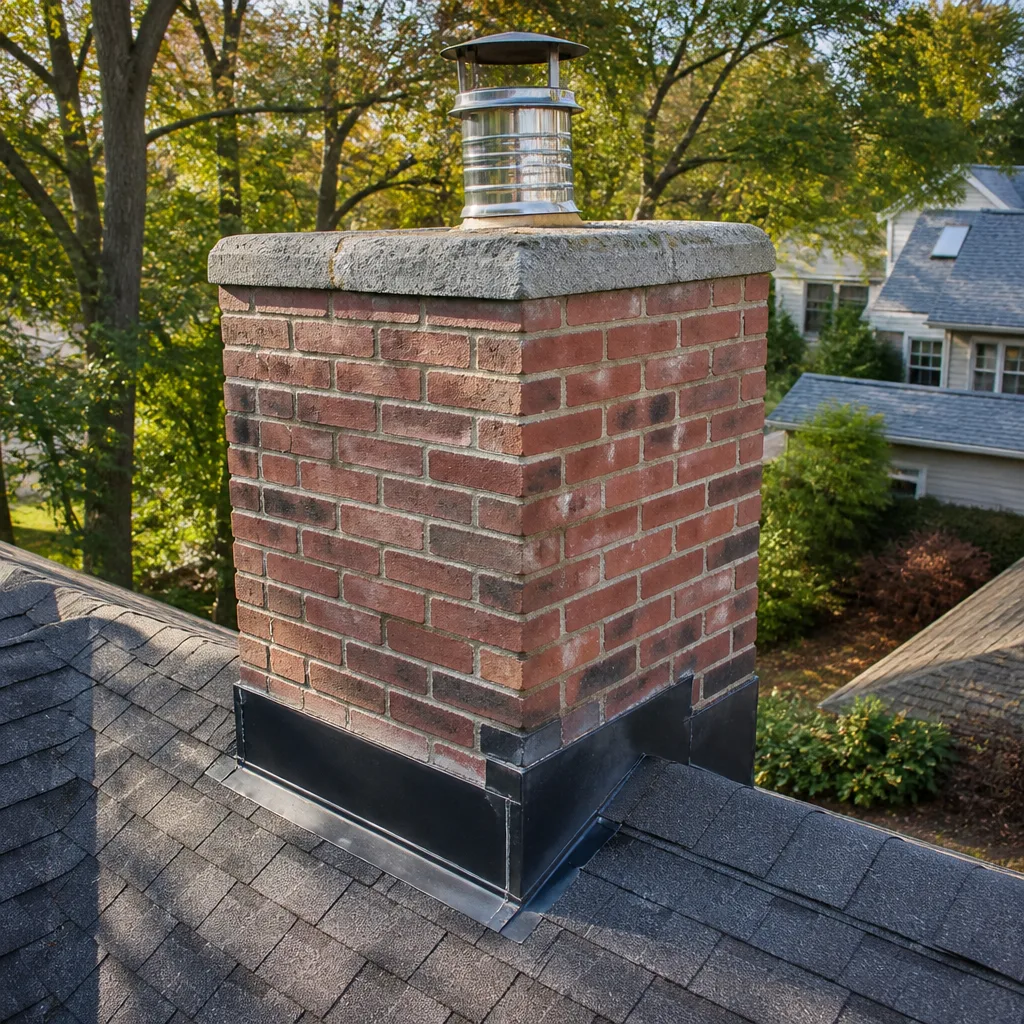 Flue relining
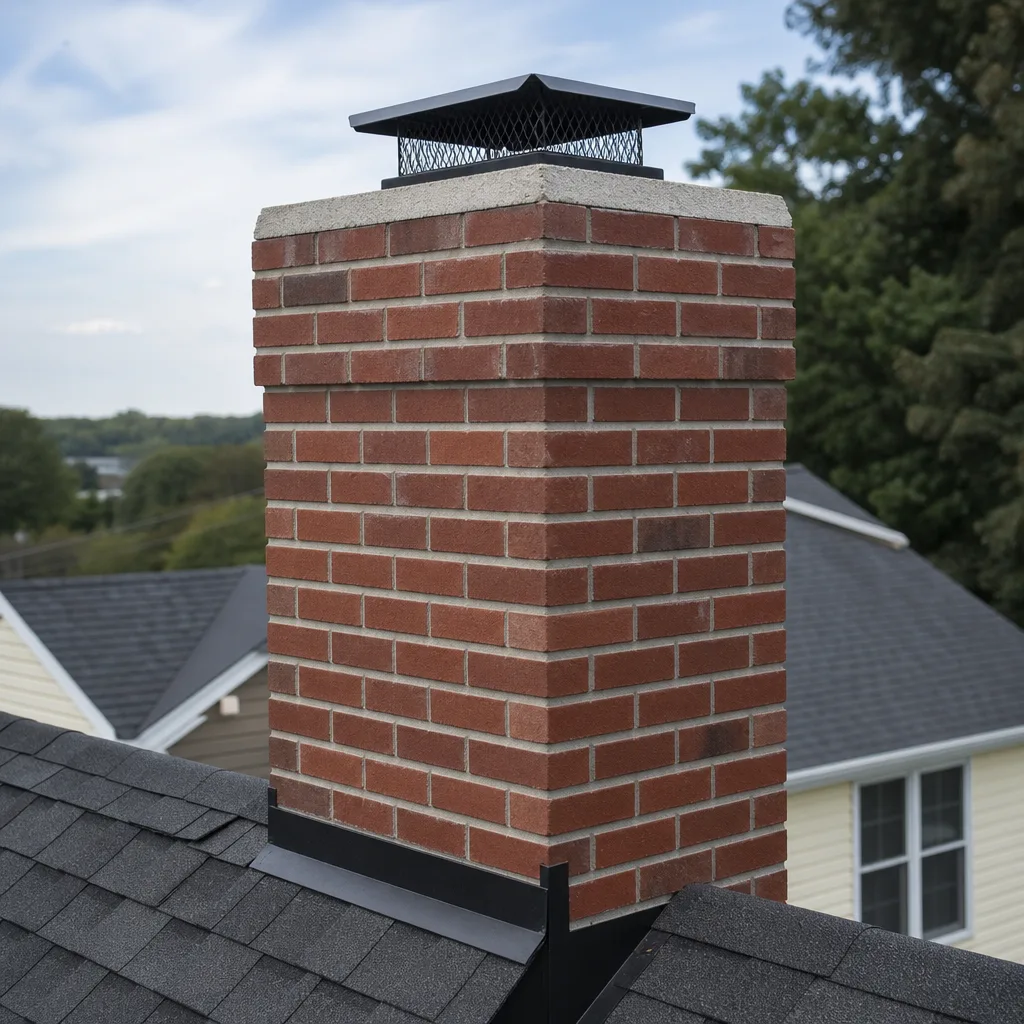 Masonry repair
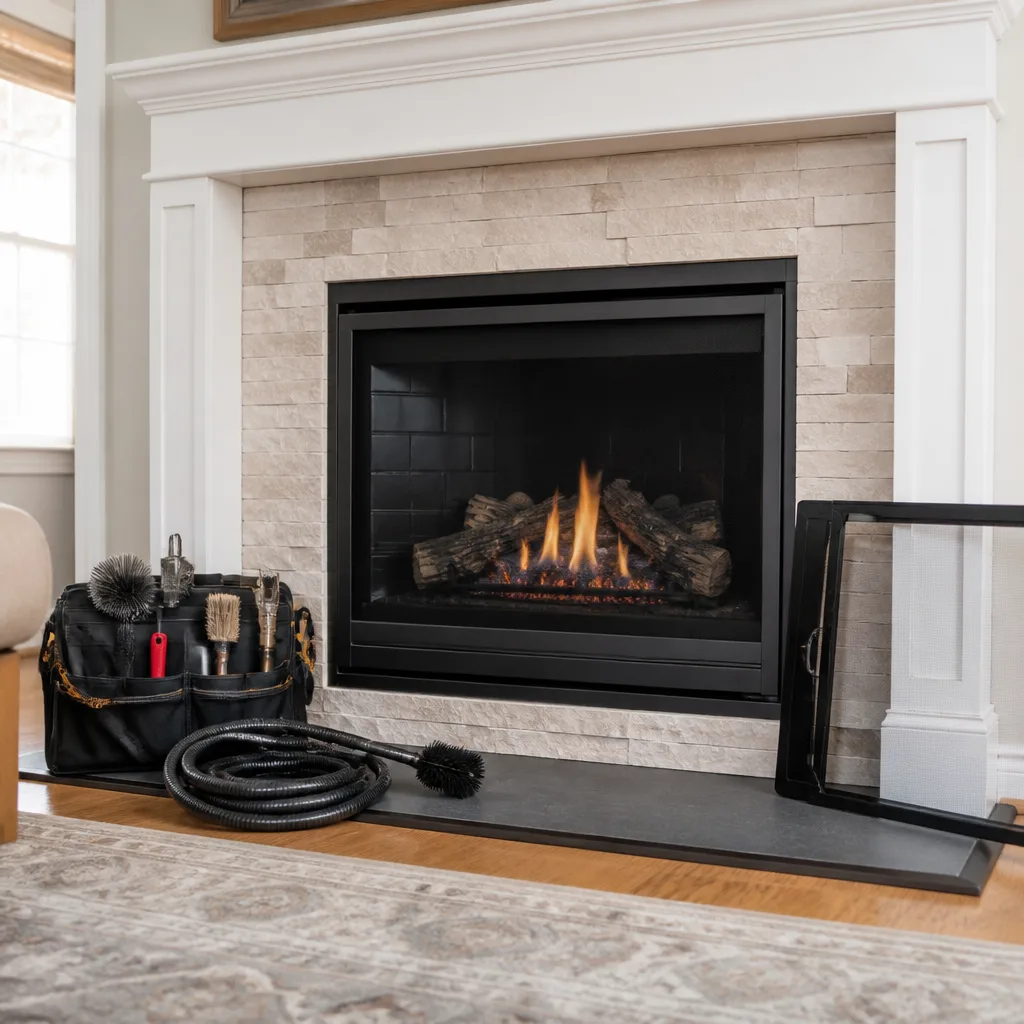 Gas fireplace service
Level 1 sweep and inspection to the NFPA 211 annual standard - flue, crown, cap, and flashing checked and photographed
Chimney sweep logs do not sweep chimneys. They loosen some creosote - which then falls where a brush and vacuum still have to collect it.
Fast, Reliable Chimney Inspection Across Mountain View
Most chimney inspections in Mountain View run between $189 and $389 depending on the level, and a camera inspection typically adds $50 to $150. The bigger point: you get a written price before any work starts, so the number on the invoice matches the number we quoted at the door. Our crews know Mountain View’s housing stock, from the 1950s ranchers in Monta Loma to the newer hillside homes off Moody Road. If you live anywhere between Shoreline and the Los Altos border, we can get to you quickly, and when you call (669) 266-5073, a live person answers. No voicemail loops, no callback forms.
Why Ashby Chimney San Jose Is Mountain View’s Preferred Chimney Inspection Company
Ashby Chimney San Jose has operated since 2002, and Mountain View homeowners keep us busy because we say the price first, show up when we said we would, and put the guarantee in writing. That’s the Kingswell Way: say the price, show up in the window, leave it cleaner, put the guarantee in writing, come back if it fails. Nathan Corliss and our team of background-checked, uniformed technicians inspect chimneys across Mountain View, and we know the difference between a chimney in Rex Manor and one in a 1960s bungalow near Castro Street. Dispatch and scheduling are coordinated from our San Francisco Bay Area office, but the crew that shows up knows Mountain View streets and can usually reach most neighborhoods within a day or two of your call.
Every inspection ends with a written report, and if we recommend a repair, the Kingswell Guarantee covers it in writing. If that repair fails inside the guarantee period, we come back and correct it at no charge. That’s not an add-on. It’s included with every job we do in Mountain View.
Styles & brands we work with
Chimney Camera Inspection in Mountain View
A chimney camera inspection in Mountain View is the only way to see what’s really happening inside a flue, and it’s the standard we use whenever visual access is limited or the chimney is older than about 1960. We run a high-resolution camera up the flue liner (the clay or steel tube that vents combustion gases out of your home) and record what we see. You watch the footage with us, in real time, on a screen. Nothing gets recommended without evidence you can see for yourself.
In Mountain View, with all the 1950s tract homes that share near-identical chimney designs, a camera inspection often reveals what a visual-only check misses: hairline cracks in clay liners, first-degree creosote scaling behind the damper, or a spalled firebox wall hiding behind a screen. Those are exactly the things that turn into a chimney fire or a carbon monoxide leak if they go unchecked. For an unlined chimney, the camera shows us exactly where flue gases have been contacting the brick, which is where the liner will eventually fail.
Most camera inspections in Mountain View run $50 to $150 on top of the inspection fee, and if we’re already doing a Level 2, the camera work is usually built into that price. We quote it before we start, so you know what you’re paying before the camera goes up.
What the camera sees before a fire makes it obvious
Salt air from the Bay and decades of damp winters do slow, invisible damage inside a flue. The camera sees perforation in a steel liner, eroded mortar joints between clay tiles, and creosote that has hardened into a glaze. On a 1958 rancher in Rex Manor last month, our camera inspection found first-degree creosote scaling and a spalled firebox back wall, along with a seized-open cast-iron damper. None of it was visible from the hearth.
When a Mountain View homeowner should request one
You should get a camera inspection if you have just bought the house, if the home was built before 1960, if you have had a chimney fire (even a small one), or if it has been more than a couple of years since the last inspection. You should also get one after any earthquake that was strong enough to rattle dishes in Mountain View, even if nothing looks wrong from the outside. The roofline cracks we see in Monta Loma don’t always announce themselves.
Fireplace Inspection in Mountain View
A fireplace inspection in Mountain View looks at everything from the hearth to the chimney cap: the firebox, the damper, the throat, the smoke chamber, the flue, and the exterior masonry and flashing. We check that the damper opens and closes fully, that the firebox walls are not spalling, and that the cap and crown are shedding water instead of trapping it. This is not a visual glance from the hearth. We get on the roof, we get on ladders, and we photograph what we find.
In Mountain View’s mild, wet winters, most fireplaces are used for ambience rather than primary heat. A fridge three or four fires per winter means creosote never reaches the threshold for a chimney fire, but it also means moisture sits in the masonry undisturbed for months. We check for both: the creosote that hardens into a glaze and the moisture that works into mortar joints and brick faces. That second one is the one homeowners miss until a chunk of spalled brick ends up on the patio.
What a 1950s original chimney usually shows
Homes in Monta Loma and the Rex Manor tract share a common 1950s chimney design, and many still have their original brick with no separate liner. Those original chimneys often have cast-iron dampers seized open from decades of damp Bay Area air, galvanized caps corroded through, and mortar joints softened by rain. A fireplace inspection on one of these chimneys is a different job than on a newer hillside home with a stainless liner and factory cap.
What it costs and what it includes
A fireplace inspection as part of a Level 1 or Level 2 inspection in Mountain View typically runs $189 to $389, with photos and a written report included. If you have a specific concern, like a rust stain on the ceiling or a smell when the wind blows, tell us when you book. We’ll focus the inspection on that concern and show you our findings in the report. Call (669) 266-5073 for a free estimate before you book.
Trusted Brands We Service in Mountain View
We work on chimneys built with parts from the brands that hold up in Bay Area conditions: HeatShield for resurfacing smoke chambers, Gelco and Olympia Chimney for caps and chase covers, Famco for dampers and vents. These are professional-grade materials, not whatever happened to be in the van. For Mountain View customers, we keep common replacement parts in stock for the 1950s-era chimneys we see most often, so we can often complete a cap or damper replacement the same week as the inspection. If we recommend a repair, we’ll tell you the brand of every part we plan to use, and it goes in the written quote.
See the difference
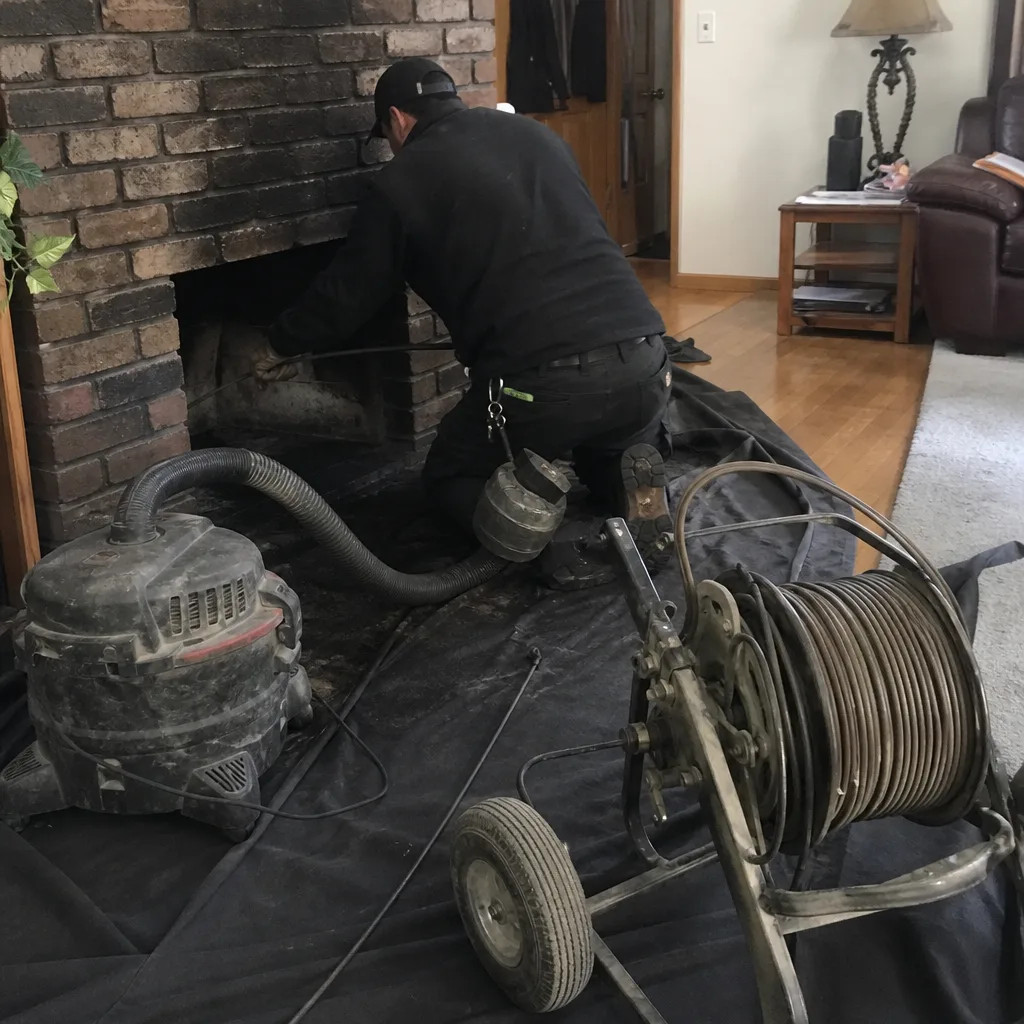 Before
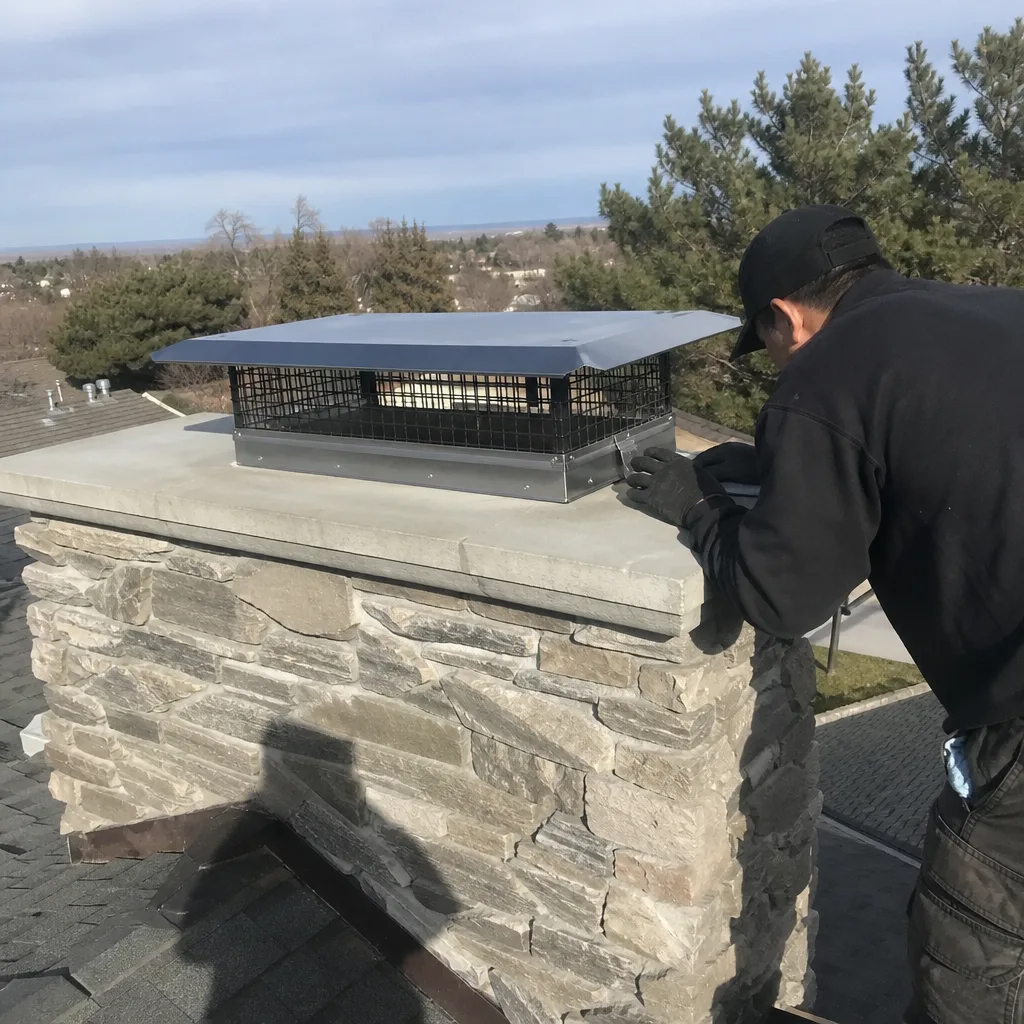 After
After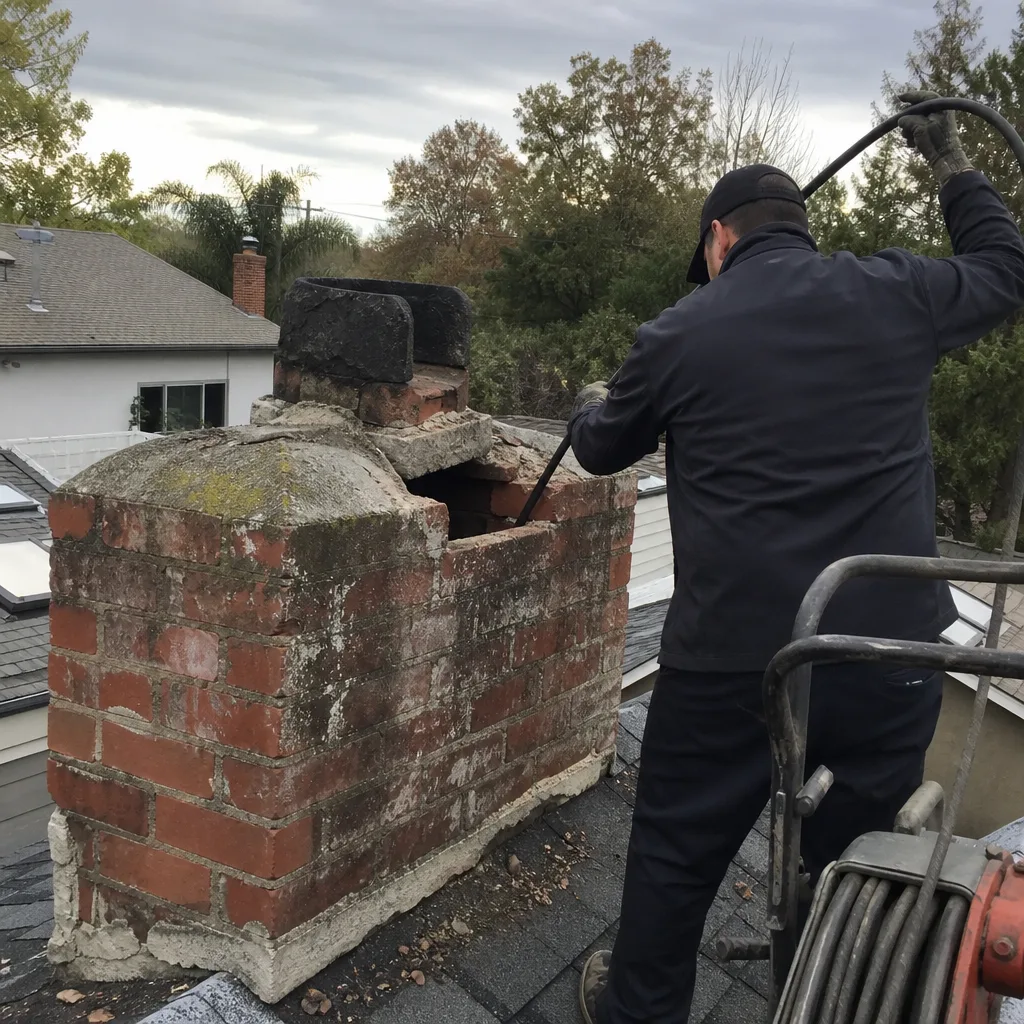 Before
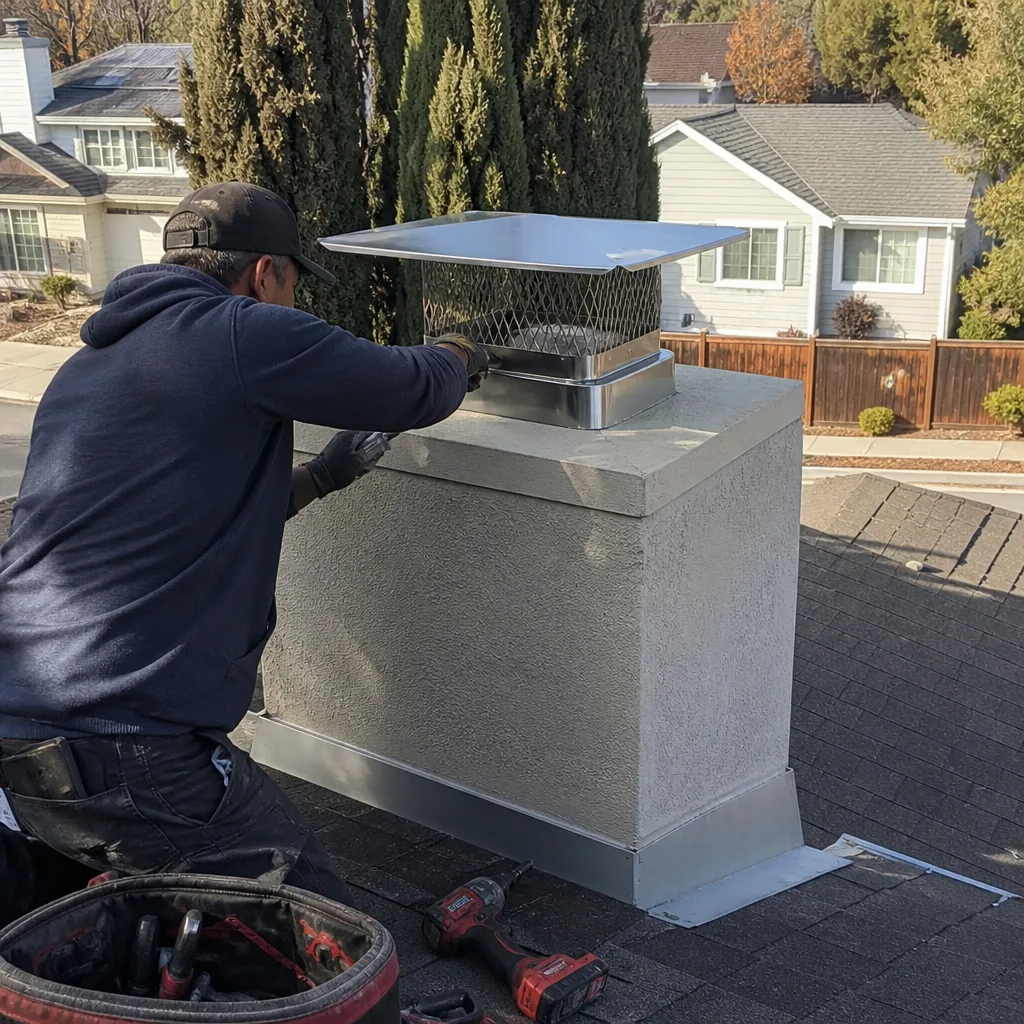 After
After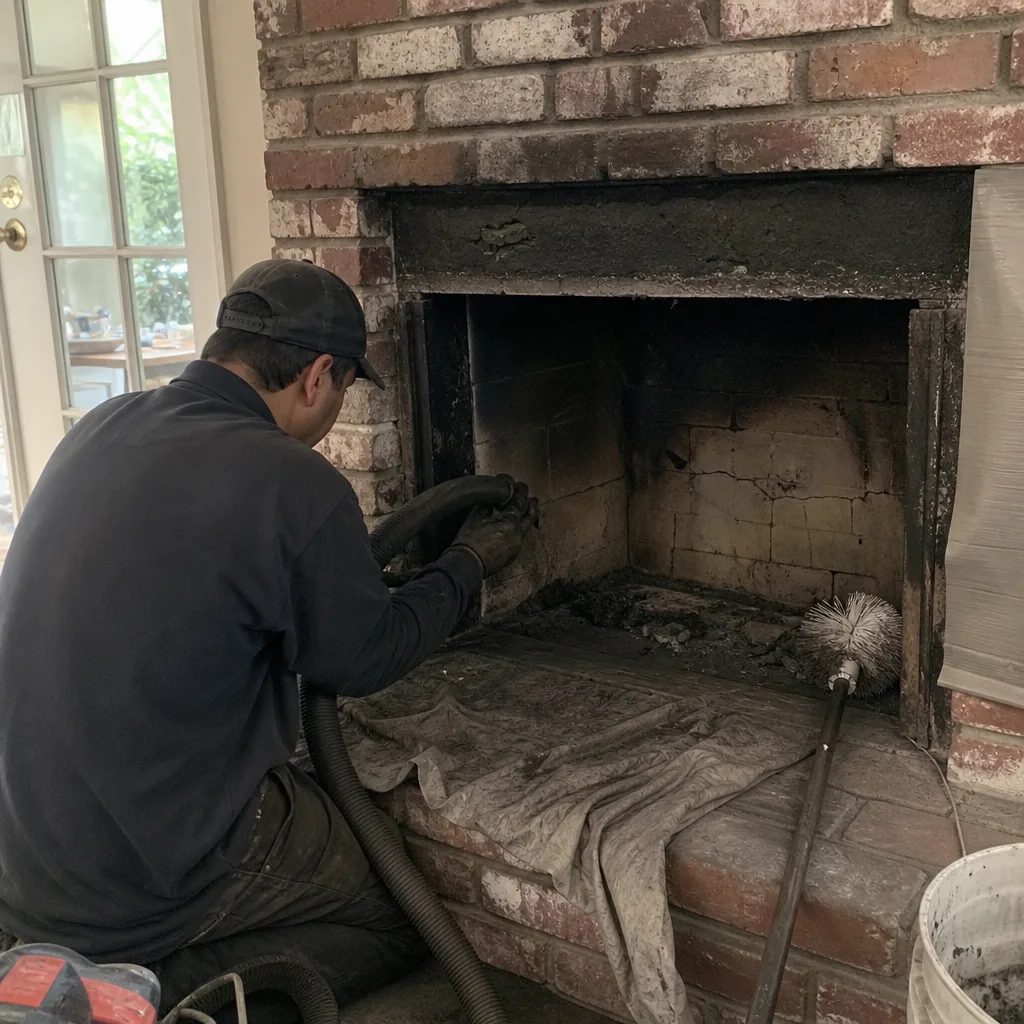 Before
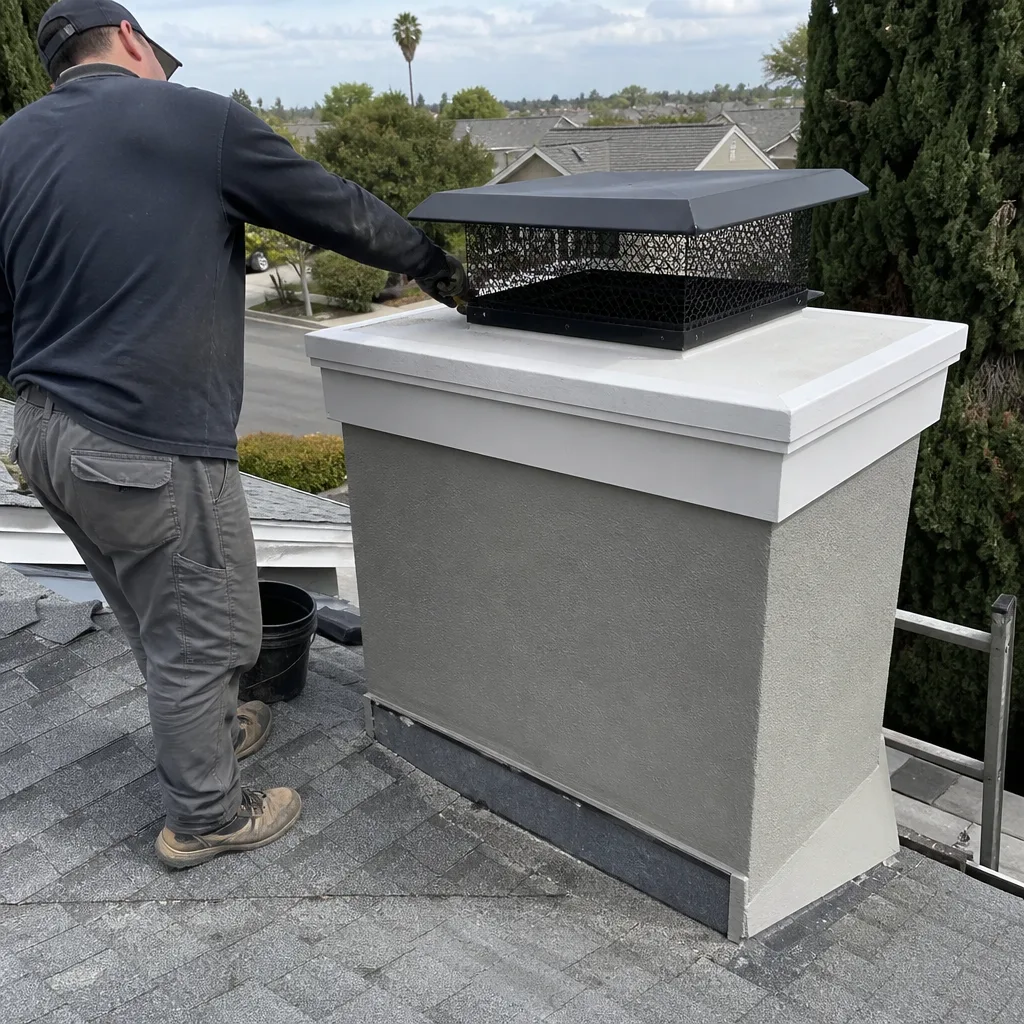 After
AfterCommon Chimney Inspection Problems We See in Mountain View Homes
- Corroded galvanized caps and flashing. Salt air from the Bay travels farther inland than most people expect, and by the time a homeowner notices rust stains on the crown or a leak near the roofline, the underlying brick and flashing may already be spalling. We replace galvanized with stainless, which handles Mountain View’s damp air far better.
- Roofline hairline cracks from seismic shifts. In Monta Loma and Rex Manor, many homes share an identical 1950s chimney design, and minor earthquakes over the decades have produced a characteristic crack pattern at the roofline. A local inspector spots these on sight. A technician from a neighboring city may never have seen them.
- Missing or unlined flues in pre-1960 homes. Many Mountain View homes built before 1960 have original brick chimneys without modern liners. Decades of wood burning plus the region’s cool, damp winters lead to creosote buildup and hidden flue damage, and the heat and moisture slowly degrade the mortar from the inside.
- Seized dampers from damp air. Cast-iron dampers in Mountain View’s older homes are often frozen open or closed from rust. An open damper lets conditioned air escape all winter and lets rain fall straight into the firebox; a closed one means smoke and carbon monoxide stay inside the house. Both are fixable, and we check every damper during every inspection.
Pricing for Chimney Inspection in Mountain View, CA
A Level 1 visual chimney inspection in Mountain View typically runs $189 to $249. A Level 2 inspection, which includes a camera scan of the flue interior, runs $289 to $389. If you need a Level 3 inspection because we found hidden damage that requires opening up masonry, that’s priced per job after we show you what we found and explain what it will take to put right. The factors that move your price: the height of the roof, the number of flues, the age of the chimney, and whether you have a multi-story home on the hillside. Every quote is written before we start, and the Kingswell Guarantee covers every inspection we complete. Call (669) 266-5073 to get a firm, in-writing price for your chimney.
We Also Serve Cities Near Mountain View
Our Chimney Inspection in Mountain View team also covers Los Altos, Sunnyvale, Stanford, and Cupertino. If you’re a few minutes outside Mountain View proper, chances are we already have a crew nearby. For the full scope of what we inspect, see our Chimney Inspection service page. Give us a call and we’ll tell you straight whether you’re in our service area.
Serving Mountain View, CA - Our Local Coverage Area
We’re based in the Mountain View area and know this community well. Use the map below to see our service coverage - if you’re nearby, we can almost certainly help.
FAQs About Chimney Inspection in Mountain View
Yes. Salt air travels farther inland than you’d think, especially in the damp, foggy air that sits over Mountain View in summer months. Galvanized chimney caps and flashing corrode noticeably faster here than they would in a drier, inland valley. If you’re seeing rust stains on the crown, the underlying brick is usually already spalling, so the inspection should look below the surface, not just at the cap.
Every other year at minimum for a visual check, and annually if the chimney is unlined or pre-1960. The risk in Mountain View is not high creosote volume, it’s moisture. With rare fires, creosote hardens and moisture seeps into masonry undisturbed for months, which accelerates deterioration. An inspection every other year catches that before it becomes a repair. Call (669) 266-5073 and we’ll give you a straight answer for your specific chimney.
Almost always: a seized or corroded cast-iron damper, a corroded galvanized cap, and either first-degree creosote scaling or spalled firebox brick, or both. The camera inspection tells us exactly where flue gases have been contacting the brick, because that’s where the liner will fail when it does. We’ll show you the footage before we recommend anything.
The cap goes first, usually the galvanized one that came with the house. Salt air and damp winters eat through galvanized steel faster than the flashings, which are often copper or heavier-gauge. Once the cap corrodes through, rain gets into the flue, and that’s when the crown and the top course of brick start to spall. Replacing a cap early is the cheapest fix you’ll make on a chimney, so we check it every time.
If the earthquake was strong enough to rattle dishes, yes, a Level 2 is the right call, especially on a pre-1960 home. The hairline roofline cracks we see in the Monta Loma and Rex Manor tracts do not always widen immediately after a minor earthquake, but they can. A Level 2 inspection with a camera shows whether the flue liner has shifted or cracked. It costs less than rebuilding a chimney later. Call (669) 266-5073 for a free estimate and we’ll schedule it.
Written by Nathan Corliss, Owner at Ashby Chimney San Jose, serving Mountain View since 2002.