
Last updated October 15, 2026
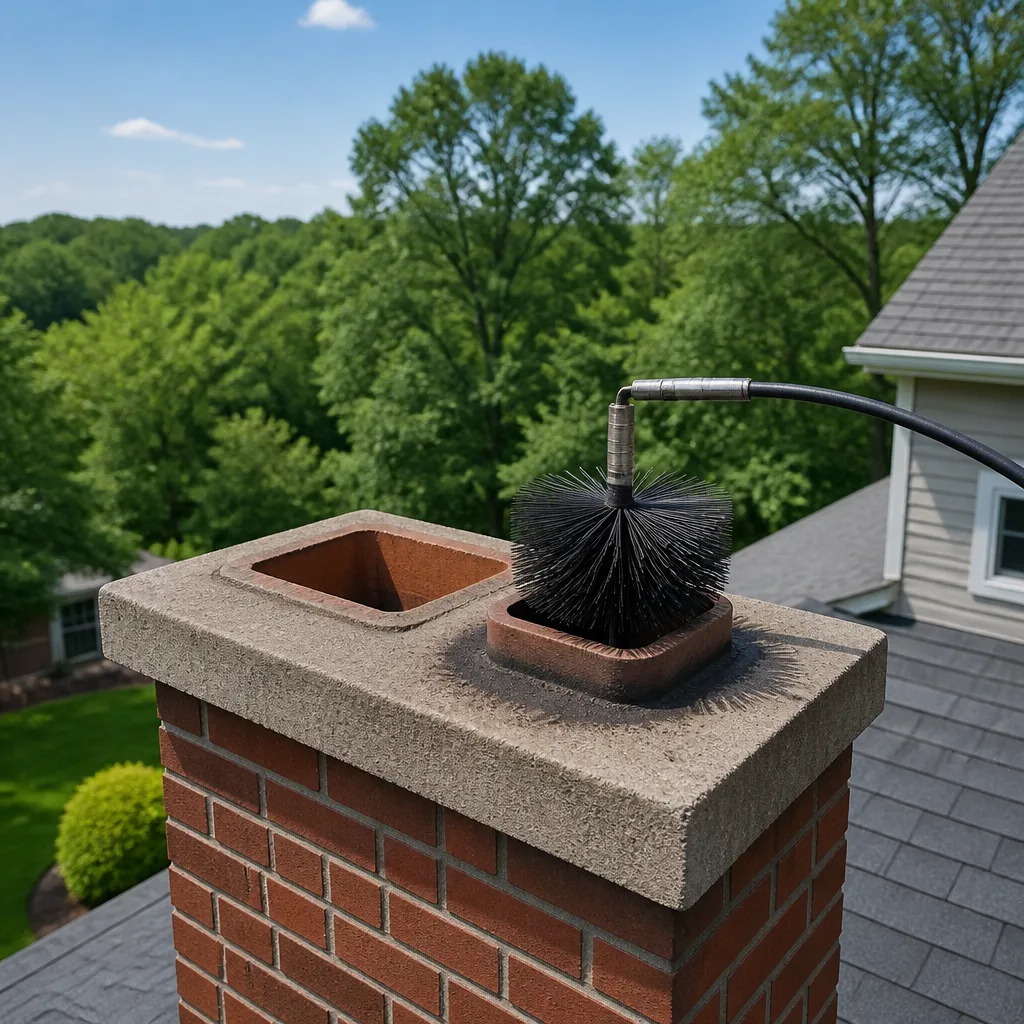 Sweep & inspection
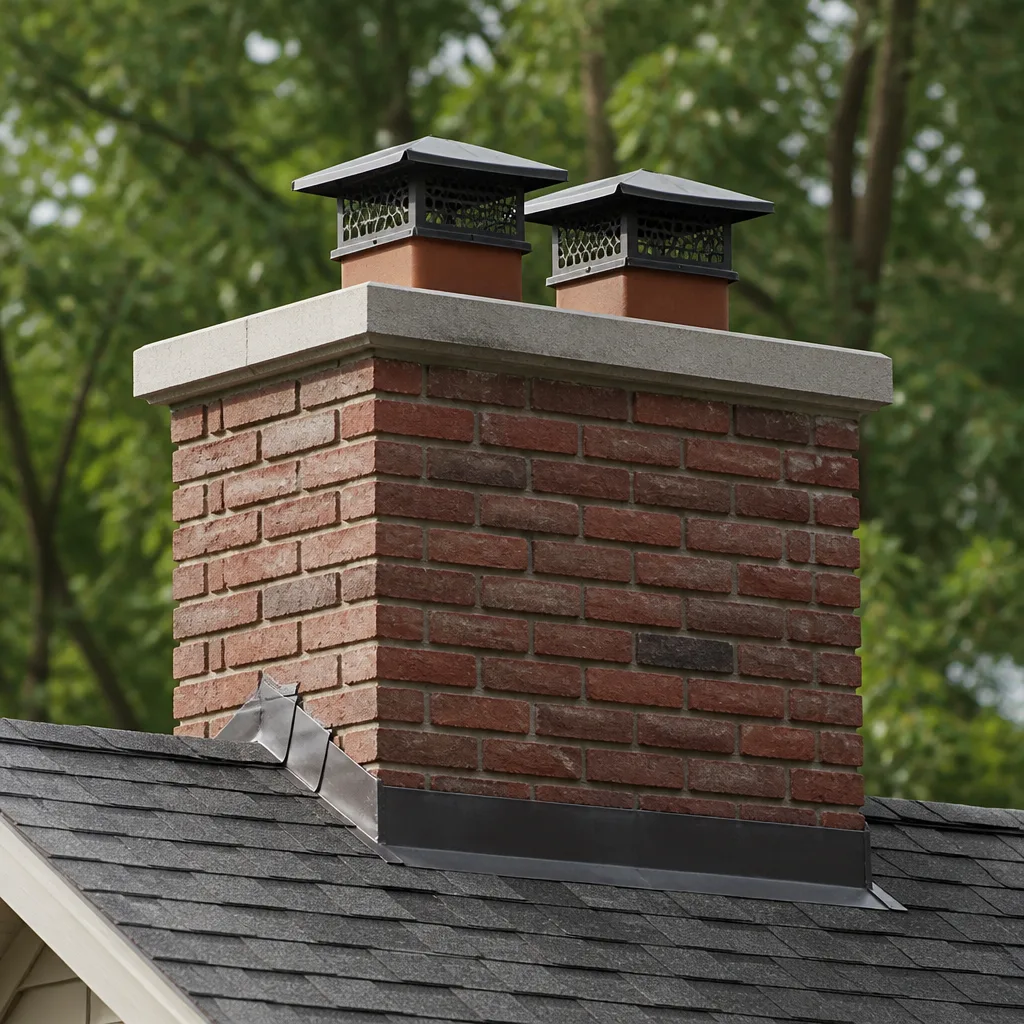 Caps & crowns
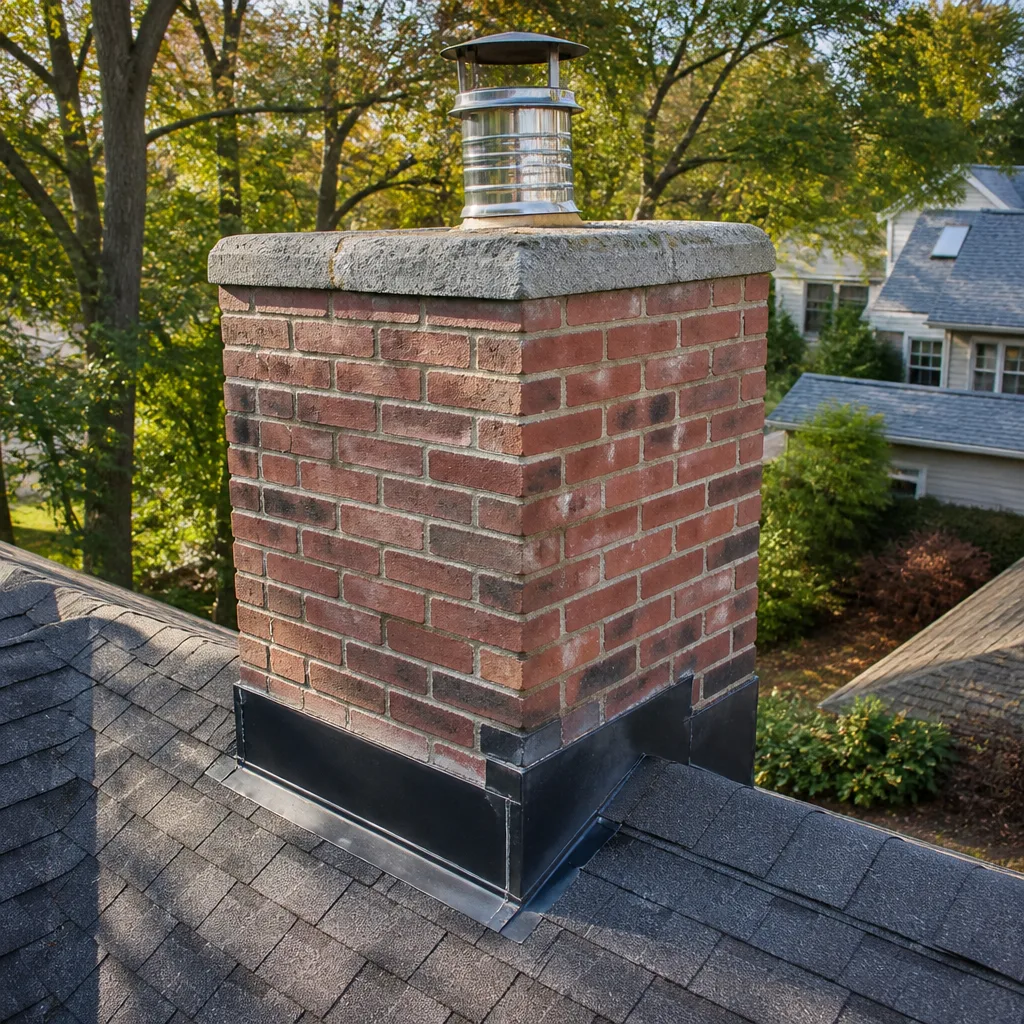 Flue relining
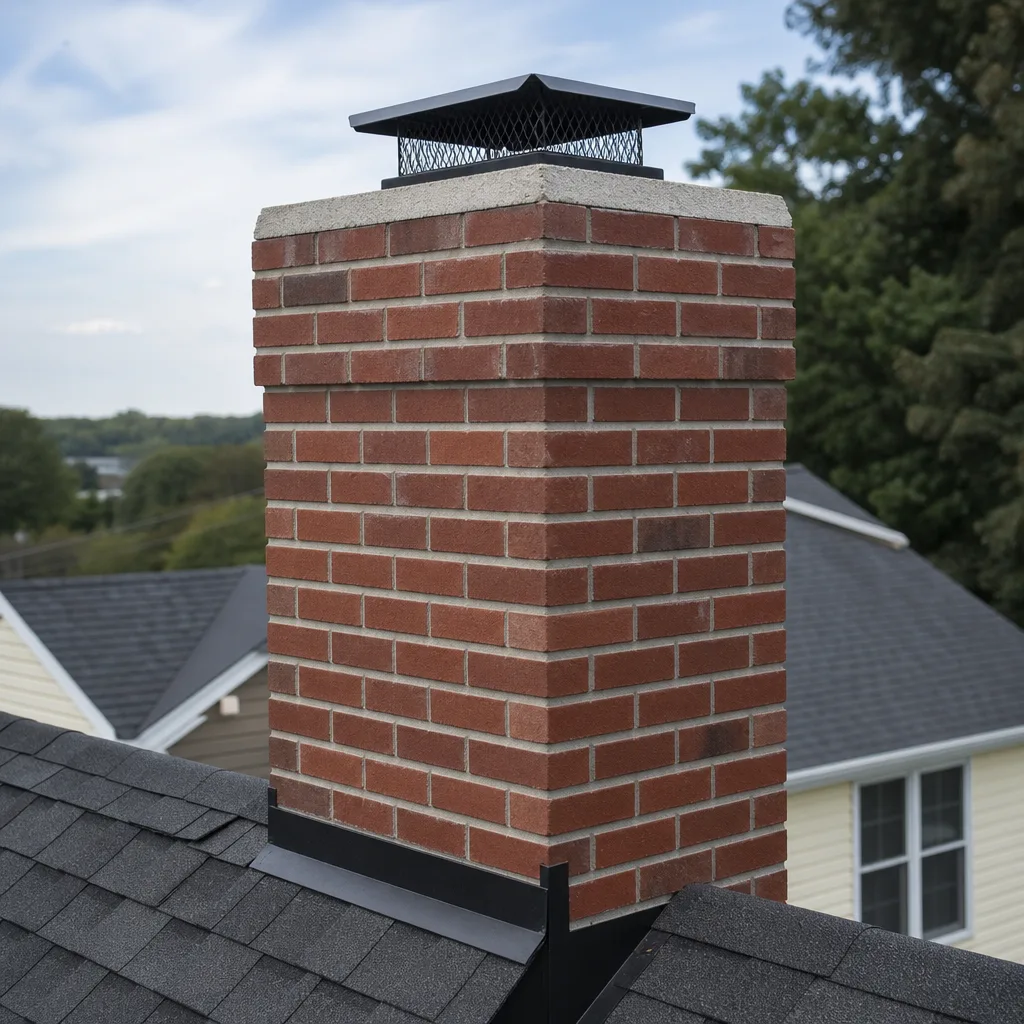 Masonry repair
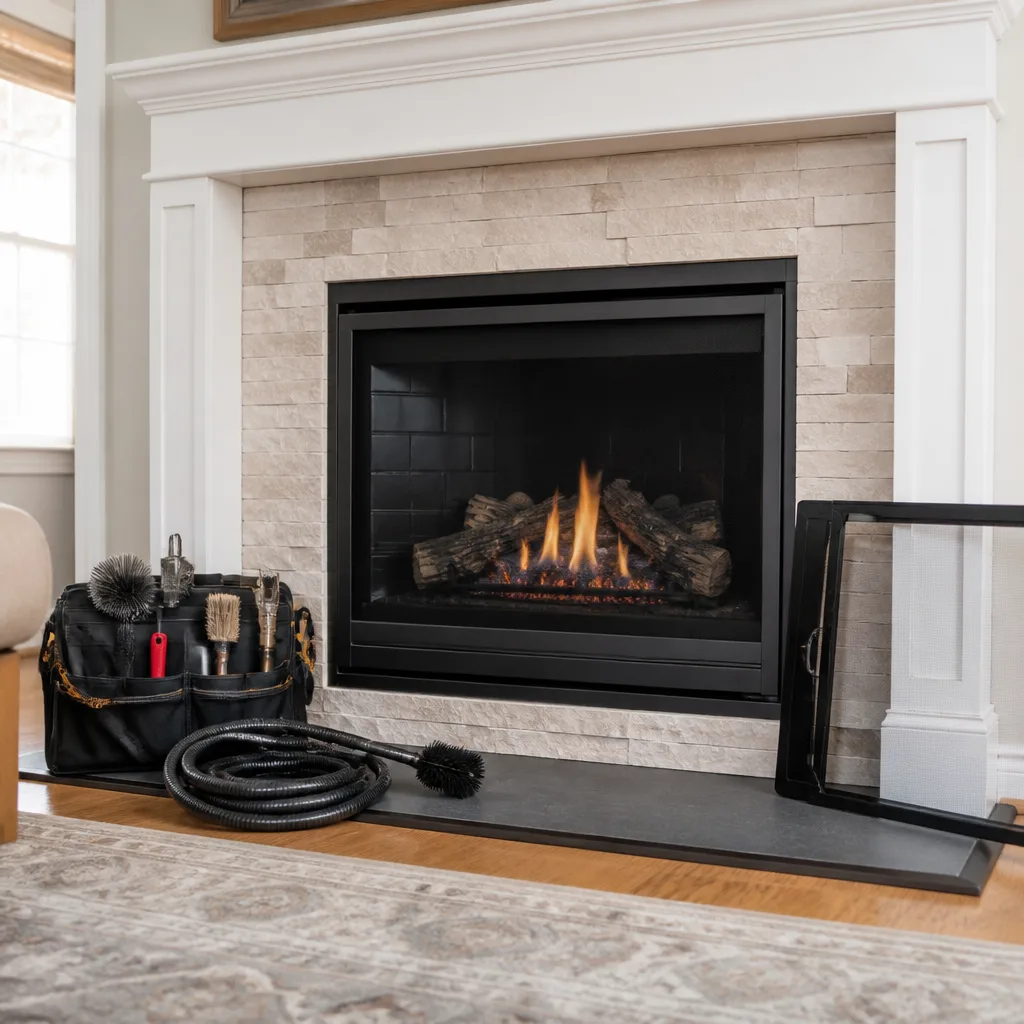 Gas fireplace service
Level 1 sweep and inspection to the NFPA 211 annual standard - flue, crown, cap, and flashing checked and photographed
Chimney sweep logs do not sweep chimneys. They loosen some creosote - which then falls where a brush and vacuum still have to collect it.
DIY vs Professional Chimney Cleaning: The San Jose Homeowner’s Decision Guide
Here’s something most chimney guides won’t tell you: DIY chimney sweeping is not inherently dangerous, and it’s not a guaranteed money-saver either. The honest answer depends on three things most homeowners never check before buying a brush off Amazon. In this guide we’ll walk through exactly what those three conditions are, what a legitimate DIY sweep actually costs in San Jose, and the specific situations where doing it yourself stops being thrifty and starts being a liability. You’ll leave with criteria you can apply to your own fireplace this weekend.
Quick Answer
You can safely and reasonably sweep your own chimney in San Jose if you have the correct brush size for your flue, you’ve confirmed there is no stage-two or stage-three creosote buildup, and you have a way to inspect the liner after cleaning. If any of those three conditions isn’t met, professional service costs less than the repair bill you’ll eventually face. Most San Jose homes burn wood only two or three months a year, which means creosote tends to build slowly, but it also means homeowners often skip the annual habit entirely, which is how problems compound.
Styles & brands we work with
Table of Contents
- The Three Conditions That Make DIY Sweeping Reasonable
- The Three Conditions That Make DIY Sweeping a Liability
- What a Legitimate DIY Sweep Actually Costs in San Jose
- What DIY Cannot Do: Liner Inspection, Smoke Chamber Assessment, and Creosote Staging
- The One Scenario Where DIY Is the Wrong Call Regardless of Skill
- How to Document a DIY Sweep for Future Professional Visits
- Common Mistakes to Avoid
- When to Call a Professional
- Frequently Asked Questions
The Three Conditions That Make DIY Sweeping Reasonable
Let’s be clear-eyed about this. Sweeping a chimney is not like rewiring a panel or replacing a gas line. A homeowner with basic mechanical sense, the right tools, and an honest self-assessment can do it. But “can” is doing a lot of work in that sentence. Here’s what actually has to be true.
Condition one: You know your exact flue dimensions and have the matching brush. Chimney flues in San Jose homes aren’t one size. Older Eichlers and ranches built in the 1950s and 60s often have rectangular clay tile flues measuring 13 x 13 inches or 8 x 12. Newer construction frequently uses round stainless steel liners at 6 or 8 inches in diameter. You need to measure the inside of your flue, not guess, and buy a brush sized to it. A brush one size off does two things: it either doesn’t contact the walls at all, which means you’re not cleaning anything, or it binds and gets stuck, which means you’re hiring someone to remove a tool from your flue. We have been called for both.
Condition two: You have visually confirmed the creosote stage. Creosote isn’t a single substance. Stage-one creosote is a light, dusty, brownish film that brushes off with modest effort. Stage-two creosote is thicker, darker, and has a honeycomb or bubbled texture. It requires chemical treatment and industrial-grade rotary tools to remove properly, not a wire brush on a pole. Stage-three creosote is a hard, glass-like glaze that has fused to the flue interior. It is highly concentrated fuel, it does not respond to brushing, and it requires professional removal. If you shine a bright flashlight up from inside the firebox and see anything that looks like black scale, black bubbles, or a shiny coating, that is stage two or three, and a DIY brush will not remove it. You’ll be dragging a brush across a surface that won’t yield, and you’ll walk away thinking you cleaned when you didn’t.
Condition three: You have a realistic way to inspect the flue after you finish. This one eliminates most DIYers, and it’s where the honest self-assessment comes in. After you sweep, you need to see the flue walls to confirm they’re actually clean and undamaged. A bright flashlight from below only lets you see the first few feet of a typical 15 to 25 foot flue. You cannot see mid-flue damage, cracked tiles, or a disconnected liner section from the firebox. If you can’t inspect it, you can’t verify the sweep did anything, and you can’t verify the chimney is safe to burn. More on this below in the section about what DIY cannot do.
If all three conditions are genuinely met, sweeping your own chimney is a reasonable choice that saves you the cost of a professional visit. In San Jose, where most people burn wood from roughly November through February, an annual sweep done by someone who knows what they’re looking at is often sufficient, but the key words are “honest self-assessment.” Most homeowners fail condition three, not because they’re incapable, but because they don’t own a camera that can inspect a flue, and buying one changes the cost equation dramatically.
The Three Conditions That Make DIY Sweeping a Liability
Now the flip side. Here’s what turns a weekend project into a four-figure repair, and we’ve seen each of these happen in homes across San Jose.
Liability one: Any amount of stage-two or stage-three creosote anywhere in the flue. A partial layer of hardened creosote that you can’t brush off is not a minor inconvenience. That material is fuel. A chimney fire does not require a fully glazed flue. It requires ignition temperature, oxygen, and enough accumulated fuel to sustain combustion. Stage-two creosote ignites at approximately 1,000 degrees Fahrenheit, which a standard fireplace achieves readily. When we get called to homes after a chimney fire, the common thread is rarely neglect over decades. It’s usually the homeowner who swept annually for years with a basic brush and didn’t recognize that a glaze layer had built up in the upper third of the flue where they couldn’t see it.
Liability two: A flue that hasn’t been inspected in over three years. This is the big one, and we’ll cover it as its own section below because it overrides everything else. Chimney liners crack. Mortar joints erode. Raccoons and squirrels build nests in unused flues during San Jose’s mild summers. A homeowner who sweeps a flue that has hidden structural damage is doing a maintenance task on a compromised system. Worse, if the damage is high in the flue, the homeowner won’t know it exists and will continue burning, which is how a cracked tile liner becomes a house fire.
Liability three: You’re doing this to save money, but you don’t own basic safety equipment. Sweeping a chimney properly means working on the roof. That means a ladder rated for your body weight plus tools, footwear with real grip, and ideally a harness if your roof pitch is steep. A fall from a two-story San Jose roofline is life-altering. We don’t say that to scare you. We say it because the honest math of a DIY sweep has to include the risk and the equipment, and most guides conveniently ignore both.
None of these three liabilities mean you’re a fool for considering DIY. They mean the decision has actual inputs, and most homeowners have never been given those inputs before. That’s the point of this guide.
What a Legitimate DIY Sweep Actually Costs in San Jose
Let’s run the honest math. It’s less flattering to the DIY case than most websites suggest, but it’s also not a washout. Here’s what a legitimate setup costs if you’re starting from zero and don’t plan to borrow anything.
- Properly sized chimney brush: $35 to $70 depending on flue size and material. You want a wire brush for clay tile flues or a poly brush for stainless liners. Using a wire brush on a steel liner accelerates wear and can scratch through the protective oxide layer.
- Fiberglass extension rods: $40 to $90 for a set long enough to reach a full 20-foot flue. Cheaper rods flex under load, which makes the brush lose wall contact.
- Drop cloths, tape, and plastic sheeting to seal the firebox: $25 to $40. If you skip these, you’ll spend the afternoon vacuuming soot out of your living room carpet and off your walls. Soot is extremely fine and travels further than you expect.
- Dust mask with a real seal and eye protection: $15 to $30. Stage-one creosote dust is not something you want in your lungs.
- A ladder that reaches your roofline safely: $150 to $300 if you don’t own one. Many San Jose homes have single-story rooflines, but plenty of Willow Glen and Almaden Valley homes are two-story.
Realistic total for a homeowner starting from nothing: $265 to $530.
Now price the professional service. A standard chimney sweep in San Jose from a licensed, insured company typically runs between $189 and $350 depending on flue condition, height, and whether it’s combined with an inspection. For a detailed Chimney Cleaning Cost Breakdown, see our 2026 guide. Most reputable companies quote a flat price before work starts, which means the number you’re quoted is the number you pay.
The first year, DIY roughly breaks even. The second year, because you already own the equipment, DIY is genuinely cheaper, often by $140 to $250. So here’s the honest take: if you burn frequently, you meet the three conditions above, and you’re willing to do the work correctly, DIY pays for itself by year two. If you burn only during the occasional cold snap, a professional sweep costs less than the equipment you’d buy and comes with an inspection you cannot replicate at home. In our experience, San Jose homeowners who burn sparingly are usually better served hiring a chimney sweep in San Jose once a year than they are accumulating tools that spend 363 days in the garage.
What DIY Cannot Do: Liner Inspection, Smoke Chamber Assessment, and Creosote Staging
Here’s where the DIY case falls apart for most people, and we want to be direct about it because nobody else is. Sweeping cleans. It does not inspect. And the inspection is the part that keeps your house from burning down.
Liner inspection after cleaning. A sweep removes the soot and creosote from the flue walls. What’s underneath the creosote is what actually matters. Cracked clay tiles, open mortar joints, a stainless liner that has separated at a seam, a flue that was never properly sized for the appliance it vents. None of these conditions are visible from below without a camera. Professional chimney inspections in San Jose use a camera system lowered through the full length of the flue to document every foot of liner interior. The technician isn’t just looking at walls; they’re checking for gaps, offsets, water intrusion marks, and delamination. A homeowner with a flashlight cannot do this. It’s a physics problem, not an effort problem.
Smoke chamber assessment. Above the firebox and below the flue sits the smoke chamber, the angled area that funnels combustion gases upward. It collects creosote and soot, and its mortar joints are often parged poorly or degraded over time. A brush on a pole from the roof will not meaningfully clean a smoke chamber. That requires access from below through the firebox, and it’s a tedious, awkward job. It’s also where chimney fires often start because flame from the firebox has direct line of sight to creosote deposits in the chamber. The National Fire Protection Association is explicit about this: the smoke chamber is part of the cleaning and inspection scope of a proper sweep.
Creosote staging. Most homeowners have never heard the word “staging” used for creosote. It’s how professionals classify what they’re looking at, and the stage determines the cleaning method entirely. Stage one brushes off. Stage two requires chemical treatment, dwell time, and mechanical removal. Stage three requires industrial chain whips or chemical removal over multiple visits. You cannot determine the stage by looking up from your firebox with a flashlight, because stage-three glazing often forms first in the upper third of the flue where temperatures are cooler and creosote condenses most aggressively. You’d need an inspection camera to see it. Which means a DIY sweep is operating on incomplete information from the start.
This is the core argument for professional service, stripped of marketing language: the cleaning and the inspection are the same visit, and the inspection is the safety-critical part. At Ashby Chimney San Jose home, every sweep includes a camera inspection and a written condition report, because a sweep without an inspection is like an oil change where nobody checks to see if the drain plug leaks.
The One Scenario Where DIY Is the Wrong Call Regardless of Skill
This section is short because it needs to be unambiguous. If your chimney has not been professionally inspected in over three years, do not sweep it yourself. Call a professional first. This applies if you’re handy, if you’ve swept your own chimney before, if your father taught you how, if you’ve watched every YouTube video on the subject. It applies regardless of skill.
Here’s the reason. A chimney that hasn’t been professionally inspected in three or more years is an unknown system. You have no documented history of its internal condition. The liner could have cracked three winters ago and you’d have no way of knowing because you haven’t been looking. The mortar could have degraded. An animal could have built a nest last spring. A chimney fire could have occurred in a previous ownership period and left hidden damage that was never repaired because nobody knew to look.
When a chimney sweep sweeps a flue, the brush action applies mechanical force to the liner walls. If those walls are already compromised, the sweep can further damage a failing liner. More importantly, sweeping a chimney that has hidden structural issues and then continuing to burn is the single most common pathway to a chimney fire that we see in San Jose. The homeowner thinks they’ve done their maintenance. The risk has actually increased.
The professional sequence is: inspect first, then clean if it’s safe to clean, then inspect again to verify the flue is truly clean and undamaged. If inspection reveals damage, the cleaning approach changes, or the cleaning is delayed until the repair is made. If you haven’t had a professional inspection in over three years, the correct move is Chimney Inspection in San Jose, not a trip to the hardware store.
How to Document a DIY Sweep for Future Professional Visits
If you’ve read this far and you meet the three conditions, you own the right equipment, and you’ve decided to sweep your own chimney this year, the most useful thing you can do for your future self is document the work so a professional can verify your findings later. Here’s the process we recommend.
- Photograph the flue before you start. Hold your phone inside the firebox, aim upward, and take several photos with the flash on. These images won’t show deep flue damage, but they’ll give a baseline of what the visible lower flue looked like before cleaning.
- Log the date, the brush size used, and the number of passes. A simple note in your phone or on paper. “November 12, swept with 6-inch poly brush, six passes from roof.” This tells a future professional what you did and what tool was used.
- Photograph the debris you removed. Spread the drop cloth outside and photograph what came out of the flue. The texture and volume of the debris is a meaningful data point for a professional. Heavy, glassy shards indicate stage-three glazing. Fine, dark dust indicates stage-one.
- Photograph the flue again after sweeping. Same position, same angle. Even with a limited view, a future professional can compare the before and after and see how much residual material remained.
- Note anything that struck you as unusual. Did the brush feel like it was catching on something? Did debris fall that was heavier than expected? Did you smell something odd? These observations are useful.
When you eventually bring in a professional, this documentation gives them something real to work with. They can see the condition trend, they can verify your cleaning was effective, and they don’t have to start from scratch. At Chimney Sweep in San Jose, we welcome homeowners who maintain their own chimneys and document the work. It makes our job faster and your annual inspection more meaningful.
Common Mistakes to Avoid
- Buying a “universal” chimney brush. There is no universal brush. A brush sized wrong either cleans nothing or gets stuck. Measure your flue. Buy the correct size. If you have a rectangular flue, buy a rectangular brush.
- Skipping the roof assessment before you climb. San Jose roofs in the dry season can be brittle, especially on older composition shingle roofs that have baked through decades of summer sun. Assess the roof surface before you walk it, and if the pitch is steep, call a professional rather than testing your balance.
- Forgetting to cover the firebox opening. Soot travels. It moves through the house on air currents. Seal the firebox opening with plastic and tape before sweeping from the roof, or plan to spend the next day cleaning fine black dust off every horizontal surface in your living room.
- Treating a chimney sweep as the only maintenance your fireplace needs. The firebox, damper, smoke chamber, chase cover, and chimney cap all need attention over time. A sweep alone doesn’t check any of those components. If you’re doing DIY, you’re also accepting that those components are going uninspected.
- Assuming a clean flue is a safe flue. This is the biggest one. Cleaning removes fuel, but it doesn’t verify structural integrity. A flue with no creosote and a three-foot crack is still a fire hazard. Don’t confuse clean with safe.
- Waiting to think about this until November. In San Jose, every chimney company gets slammed in late fall. If you want a professional sweep before burn season, book in September or early October. If you’re doing DIY, do it before the rainy season makes your roof slick.
- Using a DIY sweep as a substitute for an inspection after a real estate purchase. Many San Jose home purchases happen during the summer months when chimneys are out of mind. If you bought a home this year and haven’t had the chimney inspected, a DIY sweep is not the right first step. Get an inspection, then decide what maintenance you’ll handle yourself.
When to Call a Professional
Call a professional if your chimney has not been inspected in over three years, if you see shiny or bubbled creosote inside your flue, if you notice water staining on your ceiling near the chimney, if your fireplace smokes back into the room, if you smell something musty or acrid coming from the firebox in humid weather, or if you simply don’t want to be on your roof. Any one of these is a legitimate reason to bring in someone who does this work every day. Fireplace Repair in San Jose from a company that documents what it finds doesn’t just fix what’s broken; it tells you what’s actually going on inside your chimney. Ashby Chimney San Jose offers free estimates for chimney work in San Jose, and every job gets a written price before work begins. Call (669) 266-5073.
Frequently Asked Questions
A professional chimney sweep in San Jose typically costs between $189 and $350, depending on flue height, creosote condition, and whether the sweep is combined with a Level 1 or Level 2 inspection. The price should be quoted in writing before any work begins. If you’re comparing quotes, ask whether the price includes the inspection, because some companies price the sweep separately from the camera inspection, which makes the final bill higher than the quoted figure. Call (669) 266-5073 for an exact quote on your chimney, estimates are free.
The National Fire Protection Association recommends an annual inspection, with a sweep performed whenever creosote buildup reaches 1/8 inch or more. For most San Jose homeowners who burn wood seasonally from November through February, a sweep once per year is appropriate. If you burn fires only occasionally during the coldest weeks, you might be able to go 18 months between sweeps, but the only way to know is to have the creosote level checked, which is part of an inspection.
Not necessarily. A cracked clay tile liner is a serious condition, but it doesn’t always require a full tear-out and replacement. Depending on the severity and location of the damage, a repair could involve resurfacing the interior with a product like HeatShield, which we use frequently for this exact scenario. Without a camera inspection, you cannot know whether your liner is actually cracked or not, and you certainly cannot know your repair options. Anyone telling you that you need a full liner replacement without showing you camera documentation of the damage is asking you to spend thousands of dollars on trust. Insist on seeing the video.
Creosote accumulates gradually, and the first consequence of skipping cleanings is usually reduced draft and a smell that worsens in humid weather. The serious consequence arrives when enough creosote has accumulated to sustain a chimney fire. A chimney fire can reach 2,000 degrees Fahrenheit, which is sufficient to crack clay tile liners, melt mortar, warp a stainless liner, and transfer heat through the masonry to the home’s framing. The worst case is a structural fire in your house. The best case is a chimney that needs expensive repairs. Neither is a risk worth taking to save one sweep fee.
Yes, with the right brush and the same three conditions that apply to any DIY sweep. For a stainless liner, you want a poly brush, not a wire brush, and you want to be gentler with your passes than you would be on a clay tile flue. Stainless liners are resilient but not invulnerable, and aggressive wire brushing can scratch the surface and reduce the liner’s effective lifespan. The inspection problem remains the same: after you clean, you should have the liner inspected with a camera to verify it’s intact and that no seam has separated. Cleaning a liner and calling it good without that verification is incomplete maintenance.
Yes. Ashby Chimney San Jose is independently owned and operated, led by Nathan Corliss, under the standards of the Kingswell Guarantee. We do business in San Jose the way a local company should: written price before work starts, a written guarantee on every repair, and a live person who answers the phone when you call, 24 hours a day. Our repairs use materials from established chimney-trade suppliers including DuraFlex and Copperfield, because what goes into your chimney matters as much as who installs it.
The Bottom Line
DIY chimney sweeping is a legitimate choice for a specific type of homeowner in San Jose: someone who burns regularly enough to justify the equipment cost, who has confirmed their flue is free of stage-two or stage-three creosote, who owns the right brush for their specific flue, and who can honestly inspect their work afterward. That homeowner saves money by year two. Everyone else is better served by a professional sweep and inspection, because the sweep removes fuel but the inspection verifies safety, and the two are not the same thing. Explore our more guides & resources to keep your chimney safe year-round. If you haven’t been inspected in over three years, start with the inspection. The cleaning can wait. The verification cannot.
Written by Nathan Corliss, Owner at Ashby Chimney San Jose, serving San Jose since 2002.
See the difference
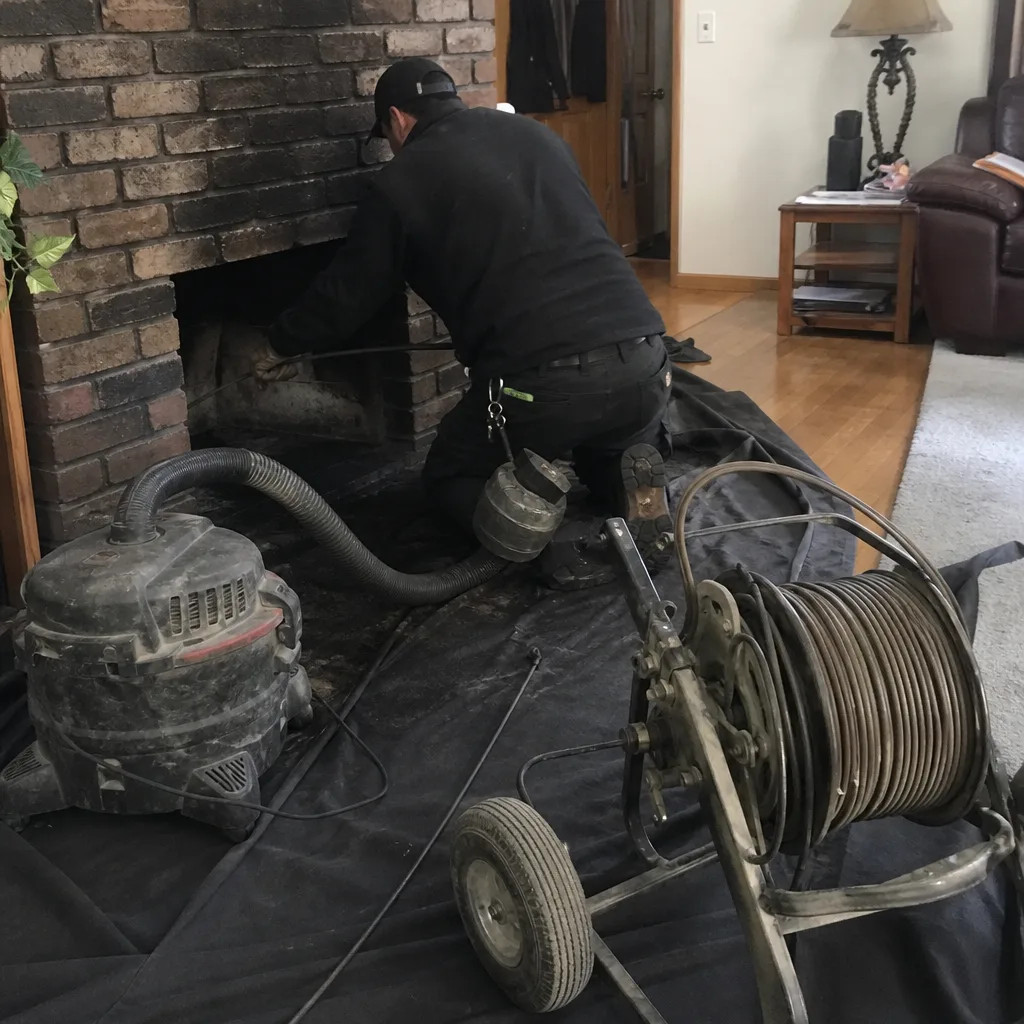 Before
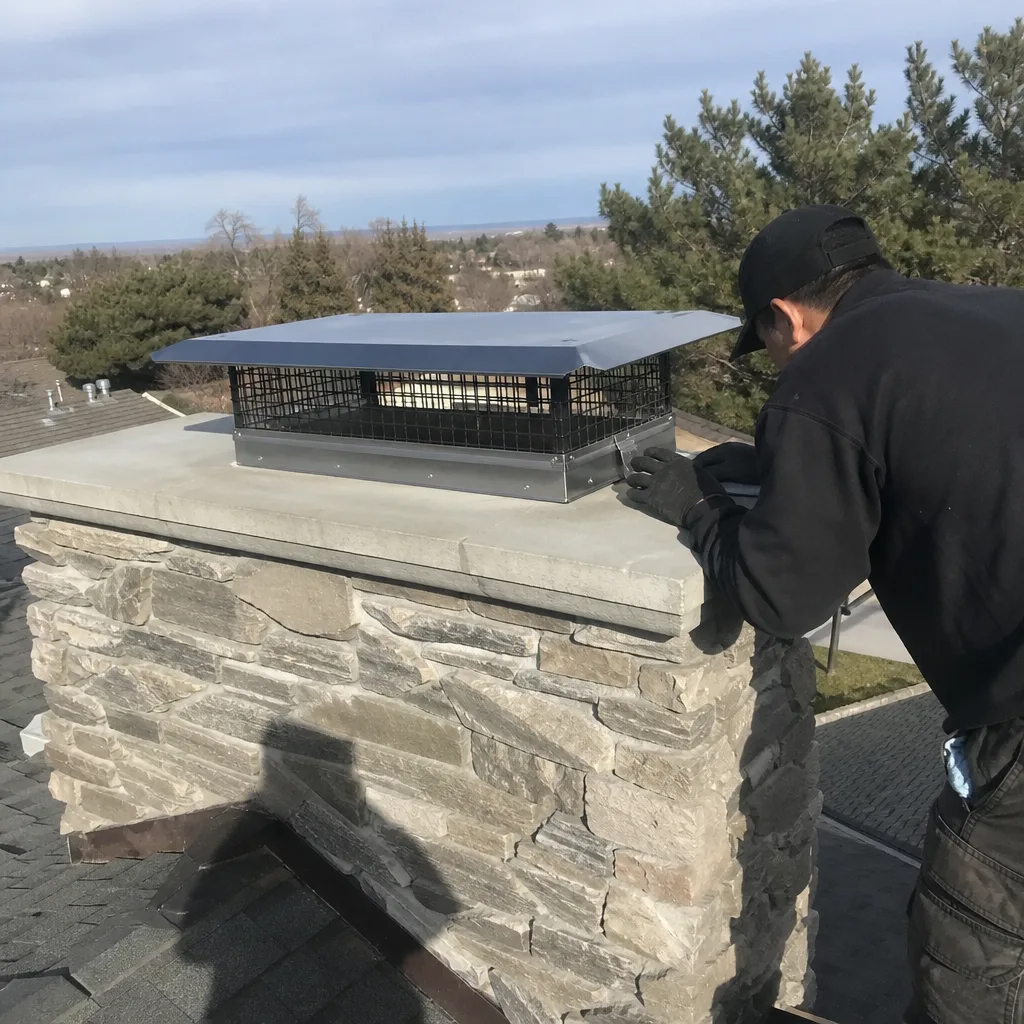 After
After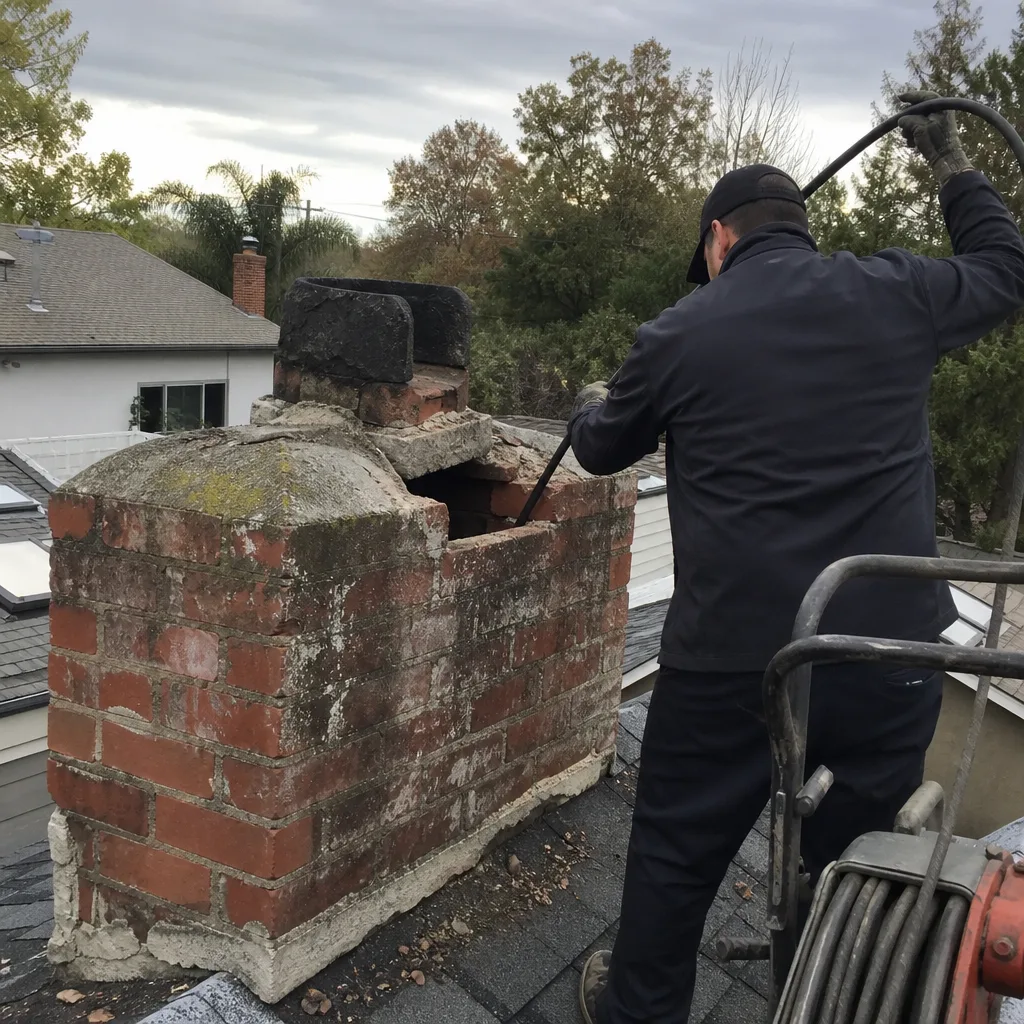 Before
 After
After Before
 After
After