
Last updated October 15, 2026
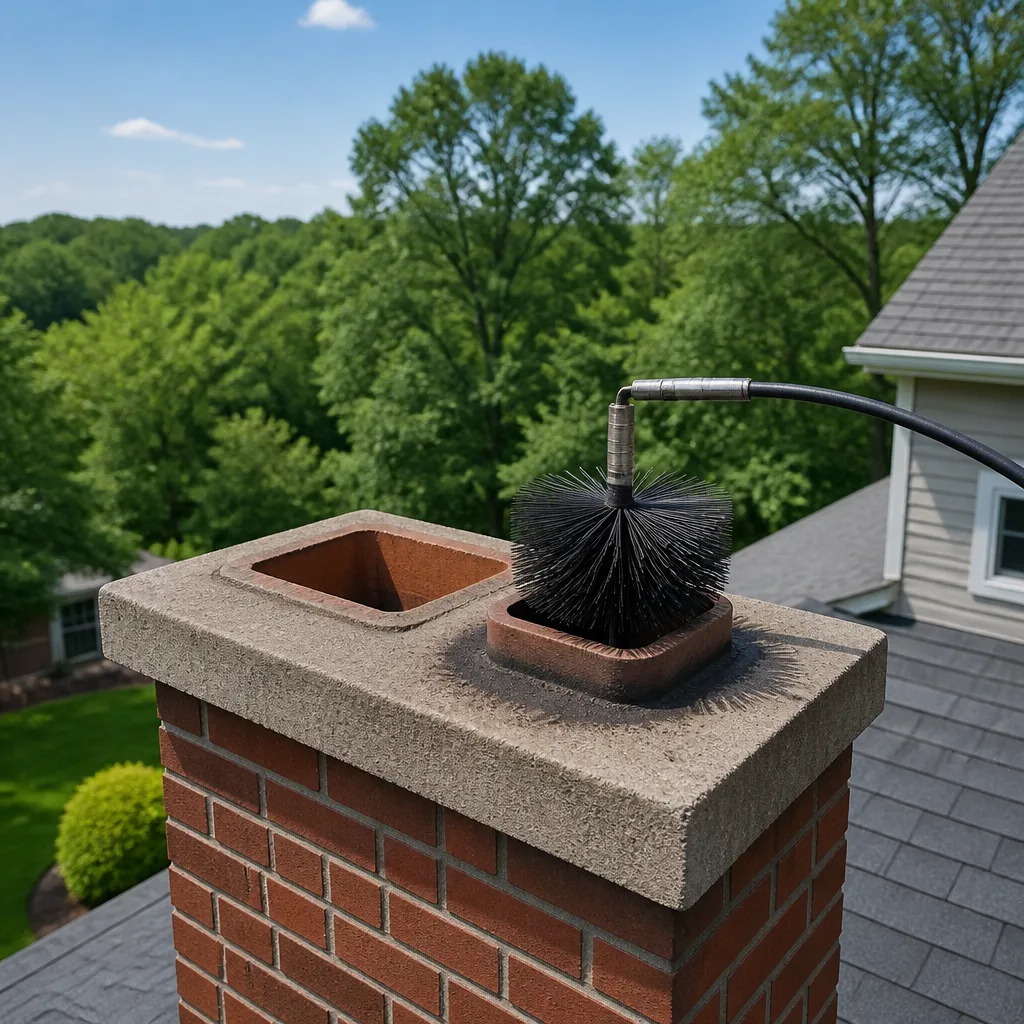 Sweep & inspection
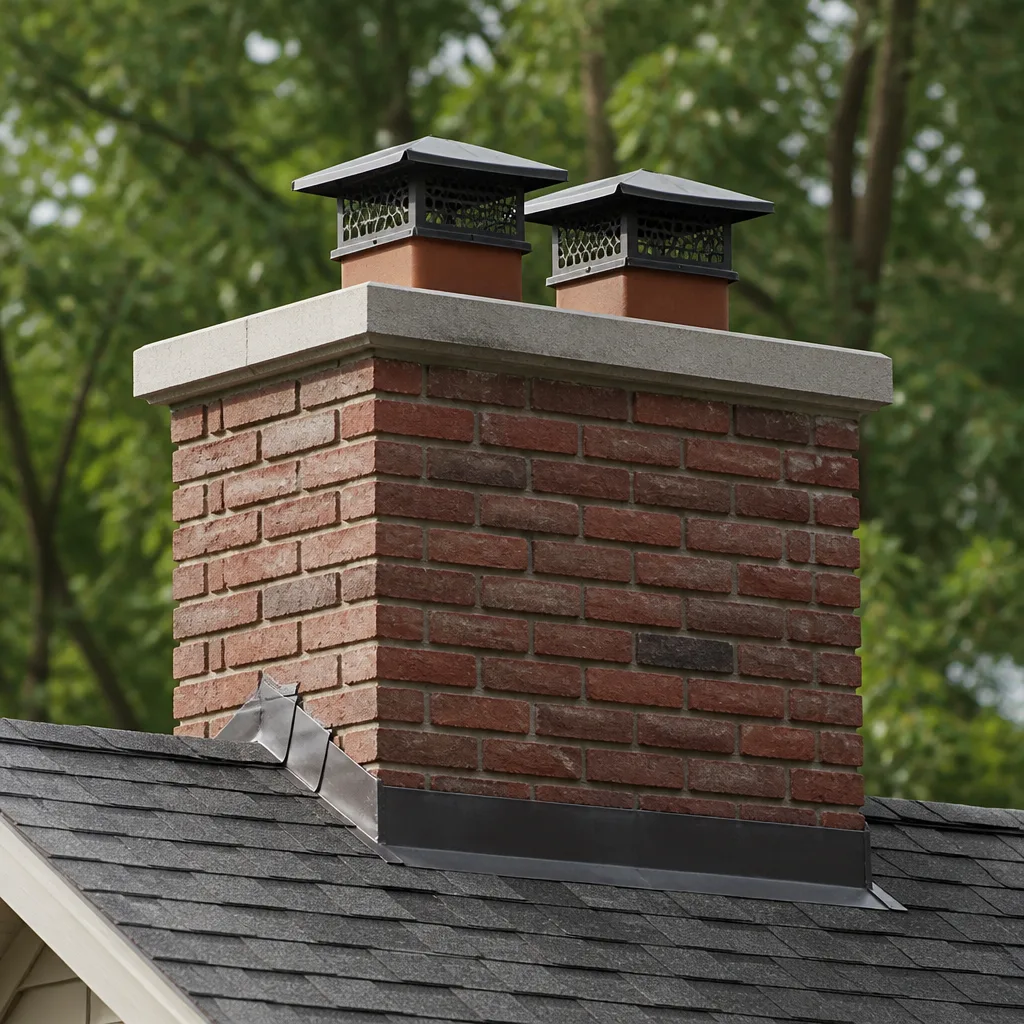 Caps & crowns
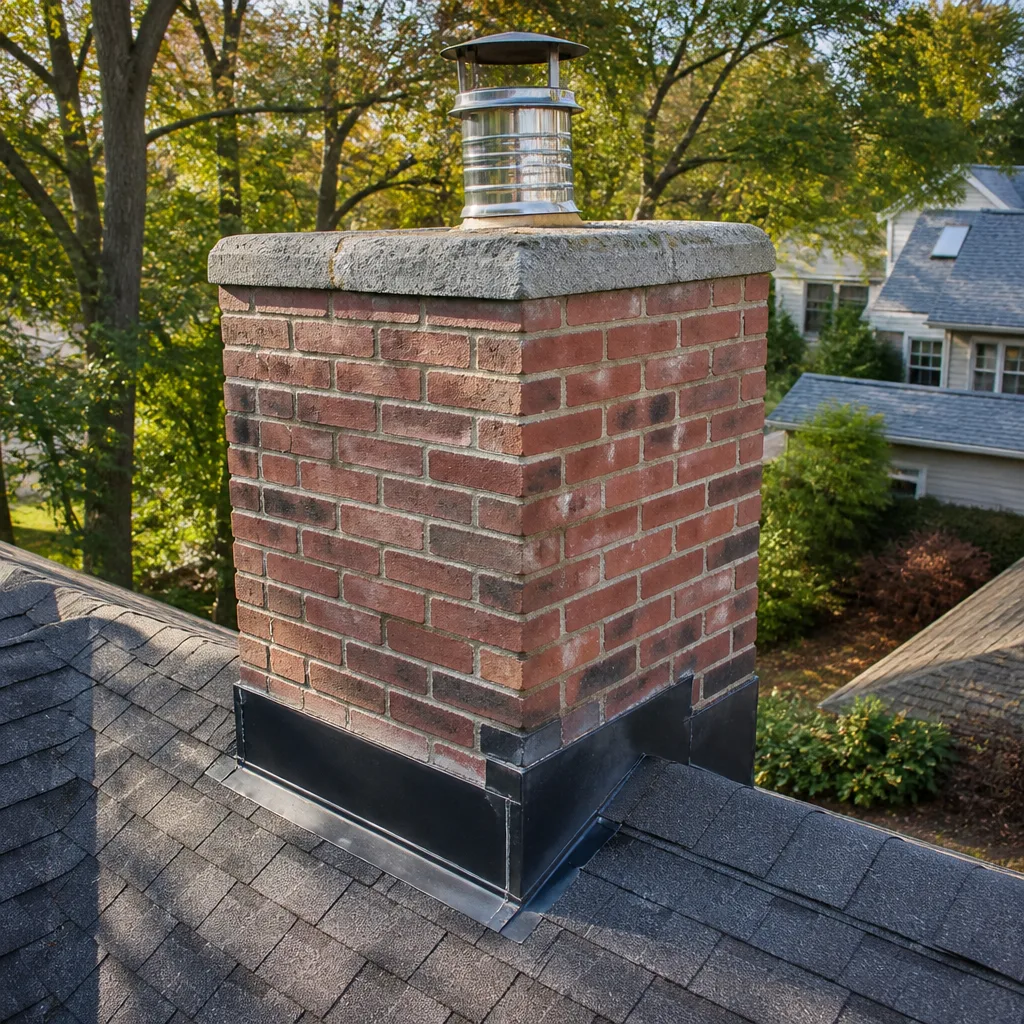 Flue relining
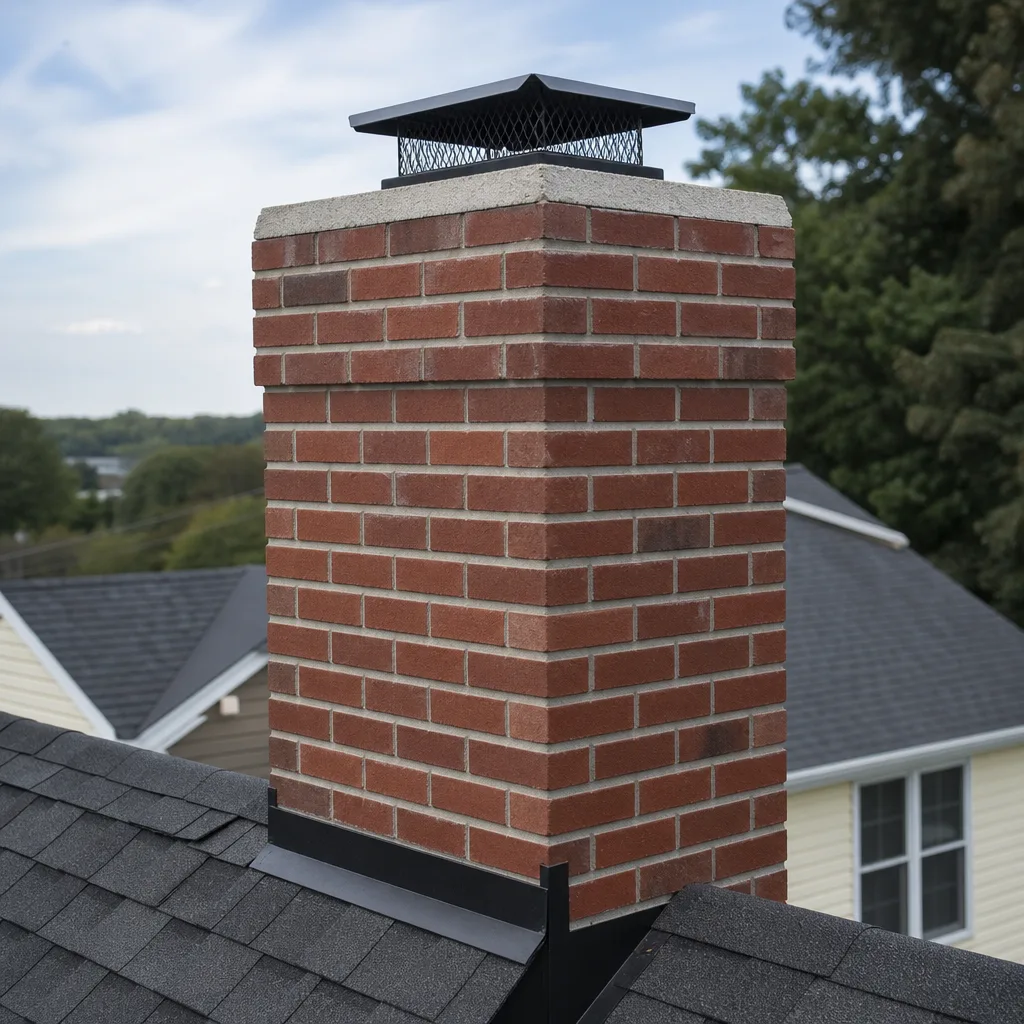 Masonry repair
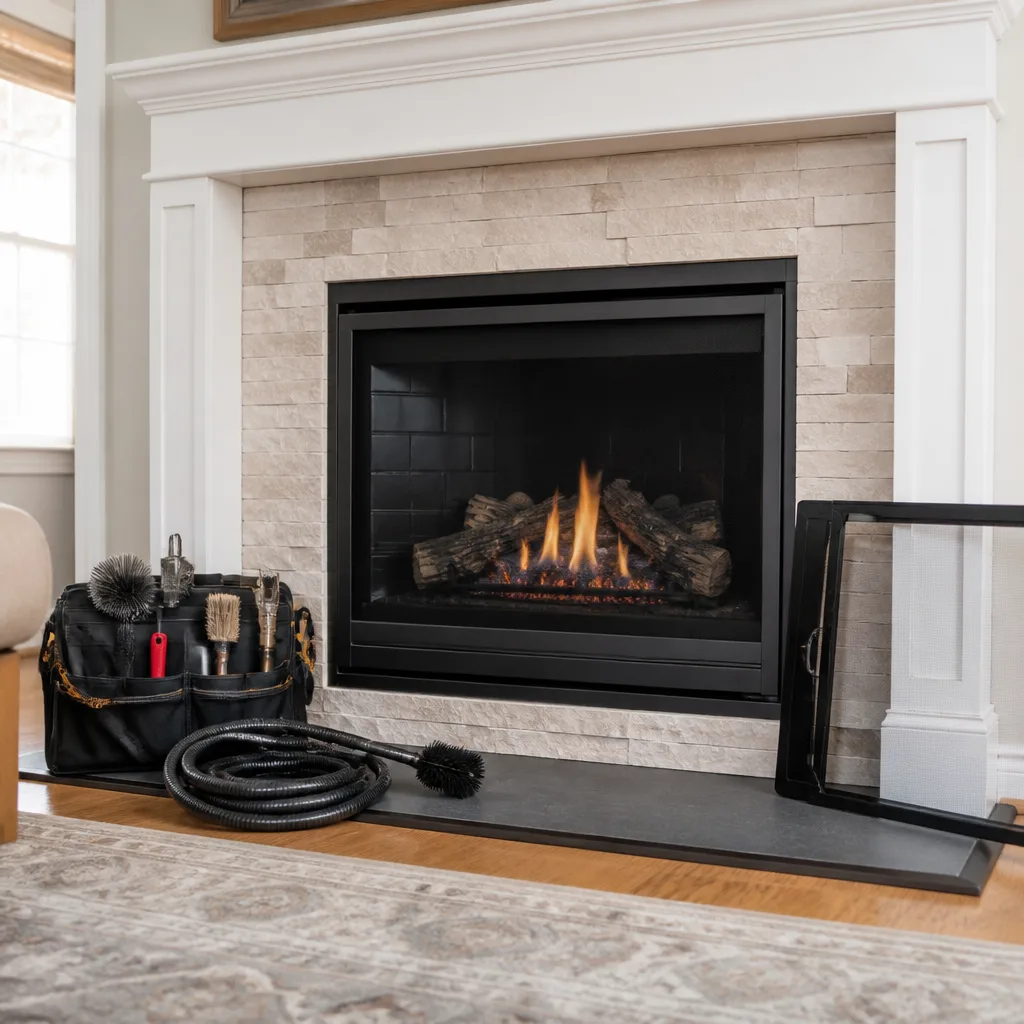 Gas fireplace service
Level 1 sweep and inspection to the NFPA 211 annual standard - flue, crown, cap, and flashing checked and photographed
Chimney sweep logs do not sweep chimneys. They loosen some creosote - which then falls where a brush and vacuum still have to collect it.
How to Hire a Chimney Cleaning Contractor in San Jose: A Step-by-Step Guide
You can legally call yourself a chimney sweep in California without any license, any training, or any insurance. That single fact explains most of the horror stories homeowners share on Nextdoor about no-shows, surprise charges, and damage blamed on “pre-existing conditions.” In San Jose, where the housing stock spans everything from 1920s Craftsman bungalows in Naglee Park to 1990s stucco tract homes in Almaden Valley, the chimney trade attracts both seasoned professionals and opportunistic operators who disappear the moment the weather turns. This guide gives you the exact vetting sequence to tell the difference, step by step, before you let anyone near your flue.
Styles & brands we work with
Quick Answer
To hire a chimney cleaning contractor in San Jose, verify the company’s CSLB license (ideally a C-61/D-42 limited specialty classification), request a written quote that itemizes the sweep and any repair recommendations, confirm proof of liability insurance and a written guarantee, and get an arrival window in writing before booking. A legitimate sweep in San Jose charges between $199 and $449 for a standard cleaning and inspection, and will happily provide documents before you hand over a deposit. See our Chimney Cleaning Cost Breakdown: The San Jose Homeowner’s Reference for 2026 for a full breakdown of what drives pricing in this range. If a company balks at any of these requests, call someone else.
Table of Contents
- The Licensing Reality in San Jose: What You’re Actually Hiring
- The Four Documents to Request Before You Book
- CSIA Certification: A Floor, Not a Ceiling
- The Price-Switching Playbook: What Low-Bid Contractors Say Before the Upsell
- A Phone Script That Gets Real Answers
- What a Legitimate Chimney Sweep in San Jose Should Include
- Red Flags That Walk in the Door
- Common Mistakes to Avoid
- When to Call a Professional
- Frequently Asked Questions
- The Bottom Line
The Licensing Reality in San Jose: What You’re Actually Hiring
Here’s the thing nobody tells you: in California, basic chimney sweeping is not a licensed trade. The Contractors State License Board (CSLB) does not require a state contractor’s license for someone who only sweeps and inspects chimneys. That’s why the barrier to entry is so low, and why San Jose sees a fresh crop of knockoff chimney companies every fall, right around the first cold snap in the Santa Cruz Mountains.
But there’s a distinction that matters. Some chimney companies carry a CSLB C-61/D-42 limited specialty classification, which covers the installation, repair, and relining of chimneys and fireplaces. That license is not legally required for sweeping alone, but it tells you something important: this company does actual repair work, which means they’ve passed background checks, posted a bond, and carry the insurance the CSLB demands. A sweep-only operator who dabbles in repairs without that classification is working outside the state’s contractor framework. If a repair goes wrong, you have far less recourse. For more on the regulatory landscape, see our guide to Chimney Cleaning Permits, Codes & Inspections in CA: What You Need to Know.
So here’s the practical rule for San Jose homeowners: for a routine sweep, a license isn’t mandatory and a good unlicensed-but-certified sweep exists. But the moment the word “repair,” “liner,” or “masonry” enters the conversation, you want a company with the C-61/D-42 classification. Ask directly: “What’s your CSLB license number, and what classification is it under?” Legitimate operators answer without hesitation.
The Four Documents to Request Before You Book
Most homeowners in San Jose spend more time vetting a dog walker than a chimney contractor. The fix is simple: request four documents before you commit to a booking. A professional will send them. A seasonal opportunist will stall, dodge, or get defensive.
1. A written quote
Not a verbal estimate. A written quote that breaks down the sweep, inspection, and any recommended repairs as separate line items. This document becomes your anchor when the technician arrives and starts suggesting add-ons. If the invoice at the door doesn’t match the quote you received on the phone, that’s your signal to pause. At Ashby Chimney San Jose, every job gets a written price before any work starts, and the number on the invoice matches the number on the quote. If it ever didn’t, the guarantee would mean nothing.
2. An arrival window in writing
“We’ll be there sometime Thursday” is not an arrival window. A real company gives you a two-hour block and calls if anything shifts. San Jose traffic on 280 and 87 can turn a 20-minute drive into an hour, but that doesn’t excuse silence. Ask for the window in your confirmation email or text. If they can’t commit to one, they’re telling you what their follow-through will look like.
3. Proof of liability insurance
Ask for a certificate of insurance (COI) showing general liability coverage. If a technician knocks a chimney cap loose and it dents your neighbor’s Tesla, or if a tile breaks in your living room, their insurance needs to cover it. Sweeps operating without insurance are betting nothing goes wrong on your property. Don’t take that bet for them.
4. A written guarantee or warranty
What happens if the sweep misses a creosote pocket that ignites three weeks later? What if the repair they made cracks again by spring? A legitimate company answers these questions in writing. Our fireplace repair in San Jose work carries a written guarantee on every repair, and if a covered repair fails within the guarantee period, we return and correct it at no charge. That’s the 365-Day Done Right Promise, straight from the Kingswell Guarantee: if it’s not done right, we make it right.
CSIA Certification: A Floor, Not a Ceiling
The Chimney Safety Institute of America (CSIA) certification is the most recognized credential in the trade, and it’s a reasonable floor: it means the person has passed an exam on chimney science, codes, and inspection standards, and committed to continuing education. In San Jose, where many homes have wood-burning fireplaces that go unused for six months and then get pressed into service every winter, that baseline knowledge matters.
But here’s the part most guides miss: CSIA is a floor, not a ceiling. Passing a test doesn’t tell you whether someone is honest, thorough, or careful with your hearth. The certification isn’t a guarantee of good workmanship, it’s a minimum standard of knowledge. So use it as a filter, then ask follow-up questions that separate the genuinely skilled from the merely certified:
- “How do you determine whether a chimney needs a Level 1 or Level 2 inspection?” (A real sweep explains trigger events: property transfer, appliance change, chimney fire, earthquake.)
- “What’s your process when you find a cracked flue tile?” (You want to hear about camera evidence, not immediate doom predictions.)
- “What creosote stages do you treat differently, and how?” (Stage 3 glazed creosote requires mechanical removal, not just brushing.)
- “When would you recommend HeatShield or a stainless liner from DuraFlex over full tile replacement?” (This separates someone who resurfaces flues from someone who only sells full relines.)
We use materials from recognized chimney-trade suppliers, including DuraFlex liners, HeatShield resurfacing systems, Gelco caps, Olympia Chimney components, Famco termination caps, and Copperfield chase covers. Not whatever happened to be in the van. If a contractor can’t name the brands they install, that’s your answer.
The Price-Switching Playbook: What Low-Bid Contractors Say Before the Upsell
San Jose is a competitive market, and low-ball pricing is alive and well in the chimney trade. The pattern is predictable: a company advertises a sweep for $99 or $149, gets into the home, then “discovers” problems that require thousands in immediate repairs. Sometimes the problems are real and the timing is opportunistic. Other times the problems are manufactured. Here’s how the playbook runs, phrase by phrase, with what to say back.
Step 1: The low anchor
What they say: “Sweep special, $99 this month only.”
What’s happening: The price was designed to get a technician through your door, not to pay for a thorough job.
Your response: “Can you send me a written quote for that $99 sweep that spells out everything included?” Watch the hesitation.
Step 2: The diagnosis
What they say: “You’ve got significant creosote buildup. This needs a chemical treatment, which is separate from the sweep.” Or: “I’m seeing cracks in your flue liner. This is a fire hazard and needs immediate relining.”
What’s happening: Some creosote accumulation is normal; that’s why you called. And flue cracks exist on a spectrum. A hairline crack in an unused fireplace is not the same as a missing tile in a daily wood-burner.
Your response: “Show me on the camera.” A professional carries a chimney camera and will show you the live footage. A huckster waves a flashlight around and asks you to trust him.
Step 3: The urgency close
What they say: “I wouldn’t burn another fire in this thing if I were you. I can knock $500 off if you sign today.”
What’s happening: This is manufactured urgency. A chimney that’s been used for 15 years won’t kill you tomorrow because you waited a week for a second opinion.
Your response: “Thanks. Email me the camera photos and your written recommendation with the price quote. I’ll review and get back to you.” If they won’t send photos, there’s a reason.
Real transparency looks like this: we recommend nothing without camera evidence you can see with your own eyes, and we say plainly when work can safely wait. Not every crack needs a liner replacement. Not every creosote deposit needs a chemical bath. The Kingswell Way is built on five values: say the price, show up in the window, leave it cleaner, put the guarantee in writing, come back if it fails.
A Phone Script That Gets Real Answers
Most homeowners call a chimney company and have a five-minute conversation that tells them almost nothing. Here’s a script for the call that gets you real answers on price, timing, and scope before you give out your address. Use it with any company in San Jose and watch how differently they respond.
Step 1: Open with the price question
“What do you charge for a standard chimney sweep and Level 1 inspection?”
A real company answers with a range: most chimney sweeps in San Jose run between $199 and $449, depending on the chimney type, height, and condition. If they won’t give any number, hang up.
Step 2: Ask what the price includes
“Does that price include the inspection, the cap check, and any minor damper adjustments? What would be extra?”
You’re looking for a list. Soot vacuuming, drop cloths, cap inspection, smoke test, damper operation check, and a written report should be standard. If “everything” is included but the price is $99, the math doesn’t work.
Step 3: Ask about licensing and certification directly
“What’s your CSLB license classification, and is your technician CSIA certified?”
Listen for a clear answer, not a pivot. “We’re fully trained” is not an answer to “what’s your license number.”
Step 4: Ask about the arrival window
“Can you give me a two-hour arrival window in writing? And what happens if the technician misses it?”
A professional company says yes without a pause. If they’re insulted by the question, you’ve learned something useful.
Step 5: Ask about the guarantee
“What’s your guarantee if the sweep misses something or a repair fails?”
The Kingswell Guarantee covers every repair in writing for its guarantee period. If a covered repair fails, we return at no charge. That’s the standard you should hold any contractor to in San Jose.
What a Legitimate Chimney Sweep in San Jose Should Include
When you hire a professional chimney sweep in San Jose, the job is more than dragging a brush up and down. Here’s what the full service should cover, in order, so you can check the work as it happens:
- Pre-inspection conversation. The technician asks how you use the fireplace: how often, what kind of wood, any recent changes, any smells or smoke issues.
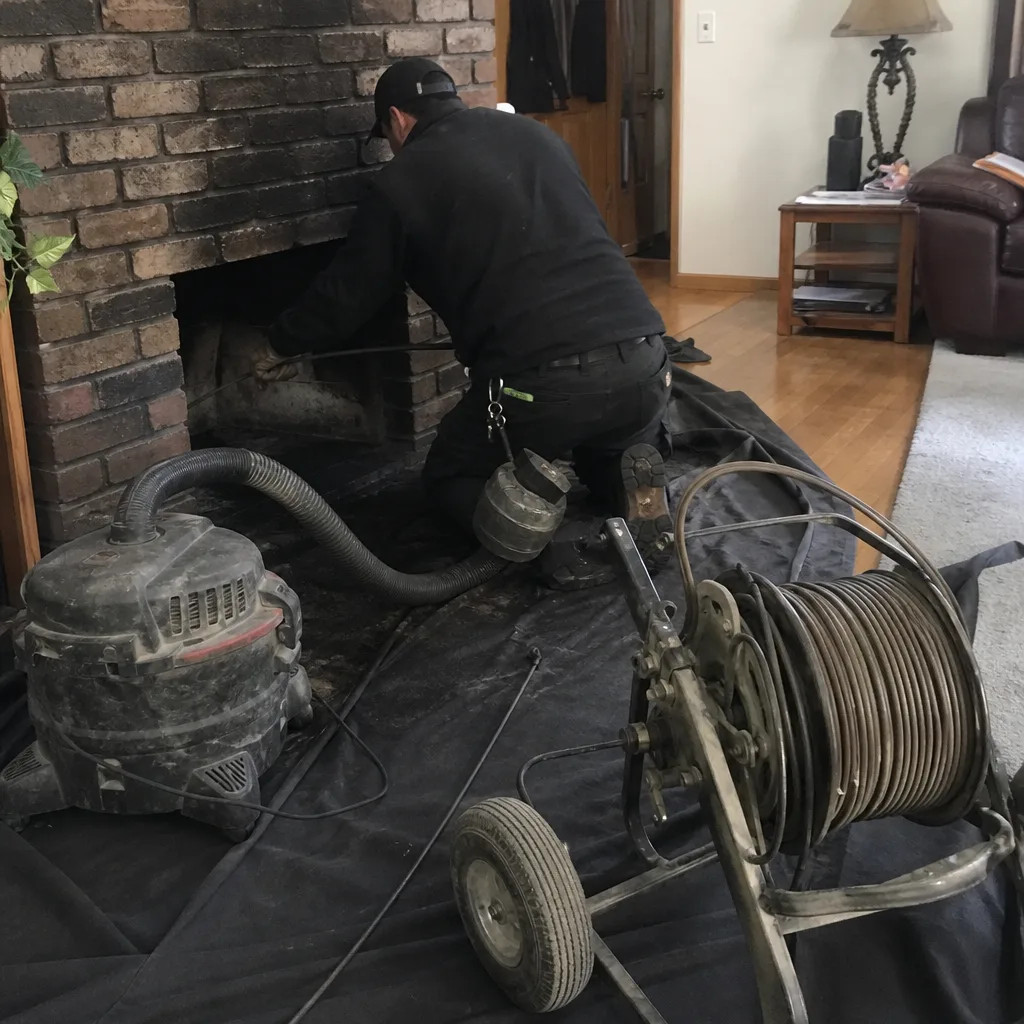
- Floor and hearth protection. Drop cloths and a soot capture system go down before anything else. Your living room should look the same after the sweep as it did before.
- Mechanical brushing. The flue gets brushed from top to bottom or bottom to top, depending on access, removing creosote and soot buildup.
- Smoke chamber clearing. Ash and debris collect where the firebox narrows into the flue. A thorough sweep clears this area, not just the visible firebox.
- Damper check. The damper should open, close, and seal correctly. A jammed damper wastes heat in winter and lets conditioned air escape in summer.
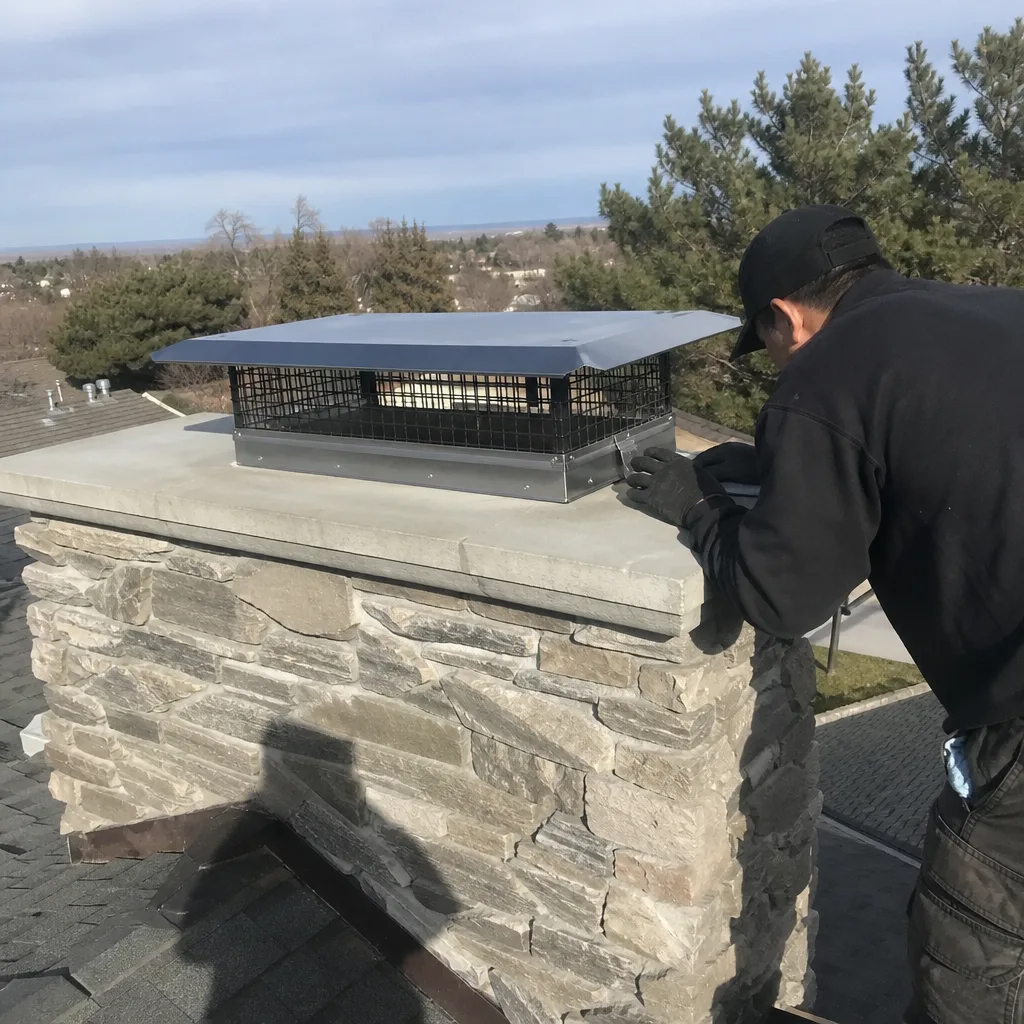
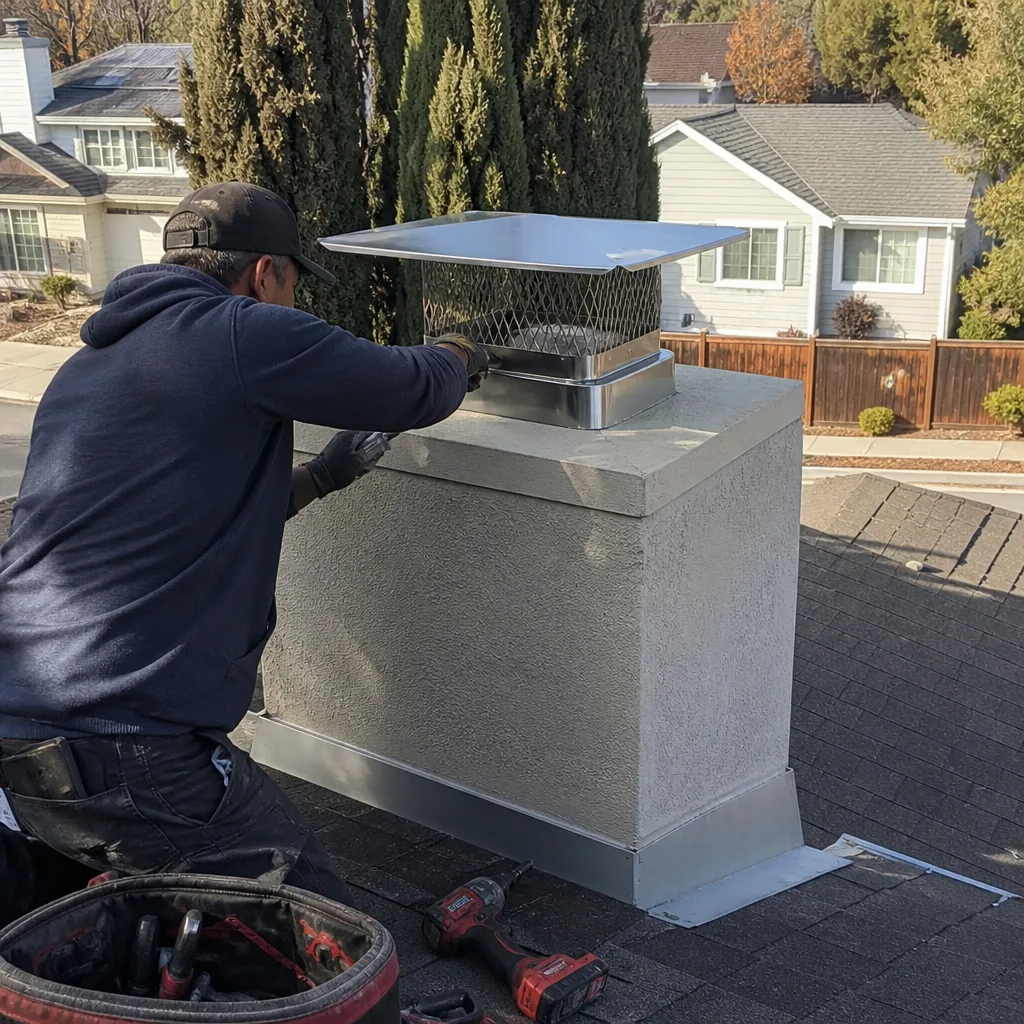
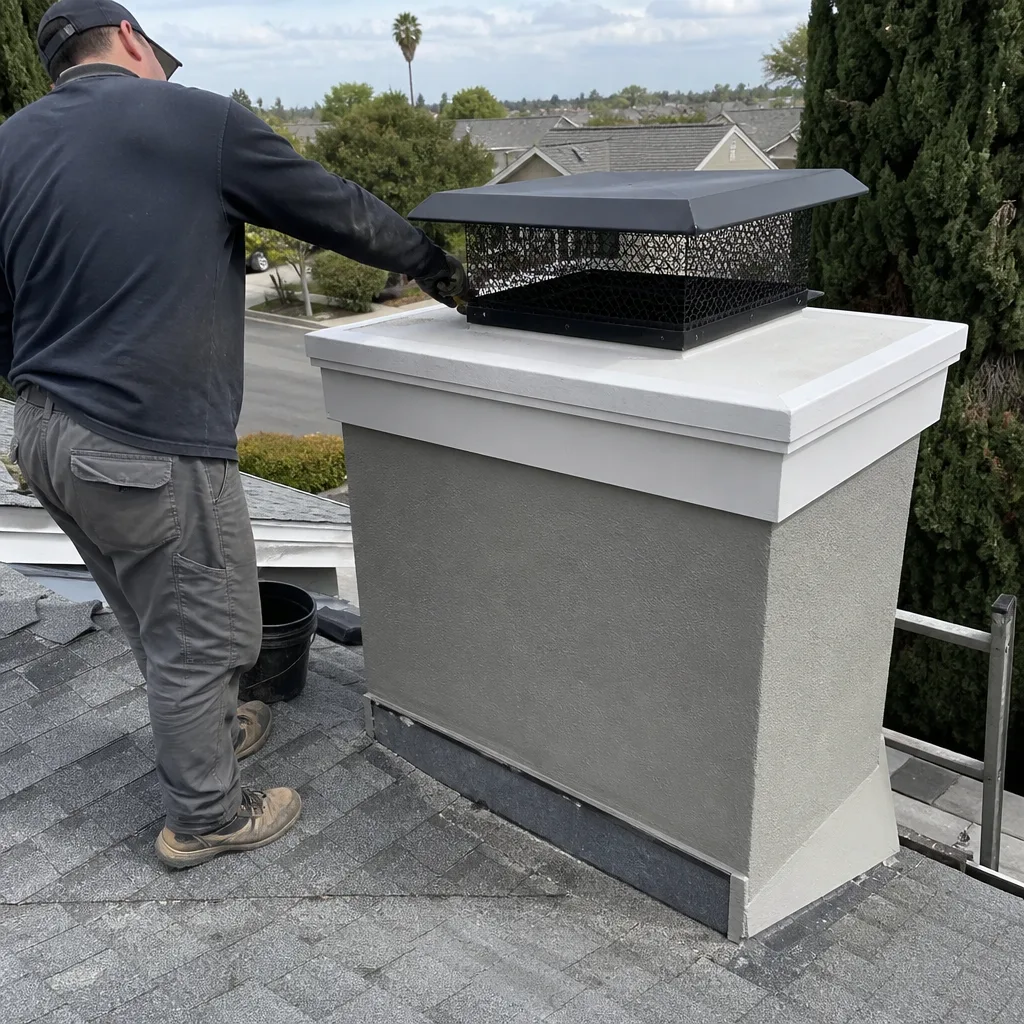
- Chimney cap and crown check. The cap keeps rain, birds, and embers out. The crown seals the masonry top. Both need visual inspection from the roof or with a camera.
- Camera report. A professional tracks the flue interior with a camera and shows you the footage. You see what they see, including the condition of the flue liner (the clay or steel tube that vents combustion gases out of your home).
- Written inspection report. You leave with paper: what was done, what was found, what needs monitoring, and what needs action, with the price for any recommended work listed separately.
In our experience, San Jose homes built before 1980 often have terra cotta flue liners that have been through decades of Bay Area earthquakes and temperature swings. Those liners need real camera inspection, not a glance with a flashlight. Homes in neighborhoods like Willow Glen and Rose Garden with original fireplaces commonly show hairline cracks from seismic settling. That’s a condition to monitor, not necessarily a reason to panic.
Red Flags That Walk in the Door
You’ve done the phone vetting, the technician arrives, and the final test begins. Here’s what to watch for in the first ten minutes of any chimney visit in San Jose:
- No shoe covers or drop cloths. Soot transfers from boots to carpet in seconds. A professional protects your floors before touching the fireplace.
- Immediate “serious problem” talk. If the technician finds something dramatic before doing a real inspection, be suspicious.
- Refusal to show camera footage. In 2026, a chimney camera costs less than a smartphone. There’s no excuse for not having one.
- Cash-only “discount.” Someone offering a lower price for cash is avoiding a paper trail. That should concern you.
- No written report. If there’s no paperwork at the end, nothing happened. A service you can’t document is a service you can’t enforce.
- Pressure to sign for repairs same-day. Legitimate companies quote repairs and let you decide. Scammers need your signature before you can get a second opinion.
Common Mistakes to Avoid
- Hiring based on the lowest price. In San Jose, where the median home price sits above a million dollars, the marginal savings on a $99 sweep that skips the camera inspection is a rounding error. Pay for the thorough job.
- Assuming every chimney company carries insurance. Many don’t. Request the COI before the visit, not after the damage.
- Skipping the camera inspection to save $50. If the tech can’t show you the flue interior, you paid for a brush service and got no diagnostic value. The camera is the most important part of the visit.
- Letting “CSIA-certified” be the end of your vetting. Ask the follow-up questions. Certification matters, but it’s a starting point.
- Caving to same-day pressure. A legitimate repair quote stays valid for 30 days. Anyone demanding a same-day signature is working against your judgment, not with it.
- Not asking what brand materials they use. The difference between a properly sized DuraFlex liner and a generic off-brand is measurable. Parts matter in chimneys.
- Assuming a working chimney means a safe chimney. A flue can move smoke and still have creosote buildup, missing mortar, or a deteriorated liner. Performance and safety are not the same thing.
When to Call a Professional
Call a professional chimney sweep in San Jose when you notice any of these: a smoky smell in the house after a fire, black creosote flakes falling into the firebox, visible damage to the chimney cap or crown, water staining on the ceiling near the fireplace, or difficulty opening the damper. Annual sweeps are standard for wood-burning fireplaces, and a Level 2 inspection is worth scheduling after any major seismic event or before buying or selling a home. San Jose sits in a seismically active region; the 1984 Morgan Hill earthquake and the 1989 Loma Prieta quake put plenty of chimneys through stresses they still carry. If you haven’t had yours inspected in years, now is the time. Chimney inspection in San Jose from Ashby Chimney San Jose is straightforward: we look, we show you the footage, and we quote only what the camera supports. Call (669) 266-5073 for a free estimate.
Frequently Asked Questions
Most chimney sweeps in San Jose run between $199 and $449, depending on chimney height, flue condition, and whether you’re adding a camera inspection, cap replacement, or creosote treatment. A standard sweep with a Level 1 inspection typically sits in the $199 to $299 range. Anything under $149 should make you ask what’s being skipped. Call (669) 266-5073 for an exact quote, estimates are free.
Yes, and here’s why: the flue liner is invisible from the firebox, and a flashlight won’t show you cracks, gaps, or creosote glazing above the smoke shelf. A camera inspection is how you get evidence of your chimney’s condition instead of someone’s opinion about it.
Once a year for wood-burning fireplaces used regularly during winter, typically in early fall before burning season starts. Our Seasonal Chimney Cleaning Care for San Jose: Year-Round Homeowner’s Guide walks you through the full annual cycle. Homes that burn green wood or fire more than three days a week through winter may need a mid-season sweep. Gas fireplaces need less frequent attention but still warrant an annual visual check.
Creosote accumulates in layer after layer. Eventually, an ember ignites it, and you have a chimney fire reaching 2,000 degrees, cracking the flue liner and possibly spreading into the house framing. Even without a fire, accumulated creosote blocks airflow and forces smoke back into the living space. The risk grows quietly, which is exactly why skipping the annual sweep feels safe right up until it isn’t.
A properly credentialed chimney company handles both sweeps and repairs under one roof. The C-61/D-42 classification covers fireplace and chimney repair, relining, and component replacement. No need to find a separate mason; just confirm the company carries the classification before you hand over repair work.
A handyman can brush a flue, but the moment anything needs repairing, you want a company with CSLB classification, insurance, and a written guarantee on the work. The cost difference is small; the accountability difference is everything.
The Bottom Line
Hiring a chimney cleaning contractor in San Jose comes down to one principle: demand documentation and proof. A written quote, an arrival window, a COI, and a written guarantee are not unreasonable requests. They’re the four documents that separate a professional from a seasonal opportunist. In a trade where sweeping itself requires no California license, your vetting is the only real filter between you and a contractor who disappears with your deposit. Use the phone script, request the documents, watch for the red flags, and choose a company that shows its work before it starts. Ashby Chimney San Jose operates that way, every job, since 2002.
Written by Nathan Corliss, Owner at Ashby Chimney San Jose, serving San Jose since 2002. Browse our more guides & resources for San Jose homeowners.
See the difference
 Before
 After
After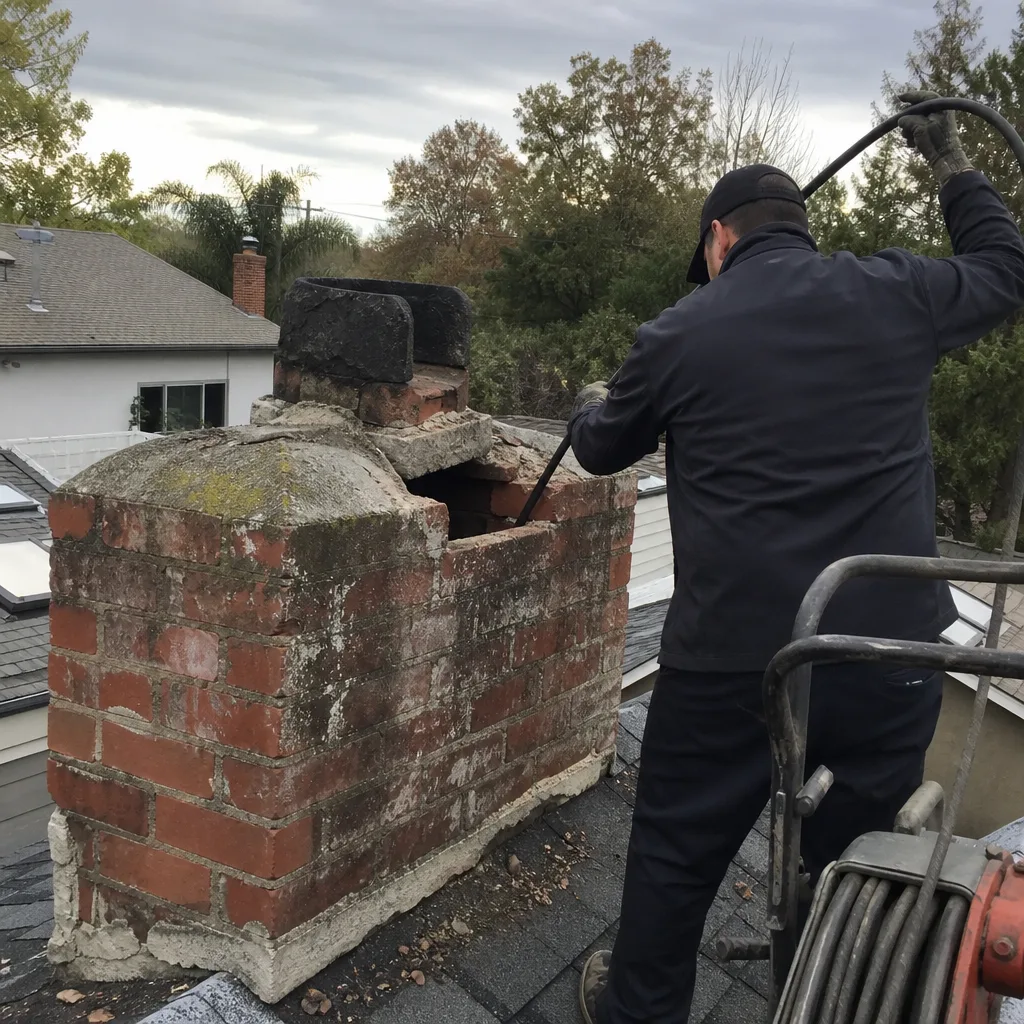 Before
 After
After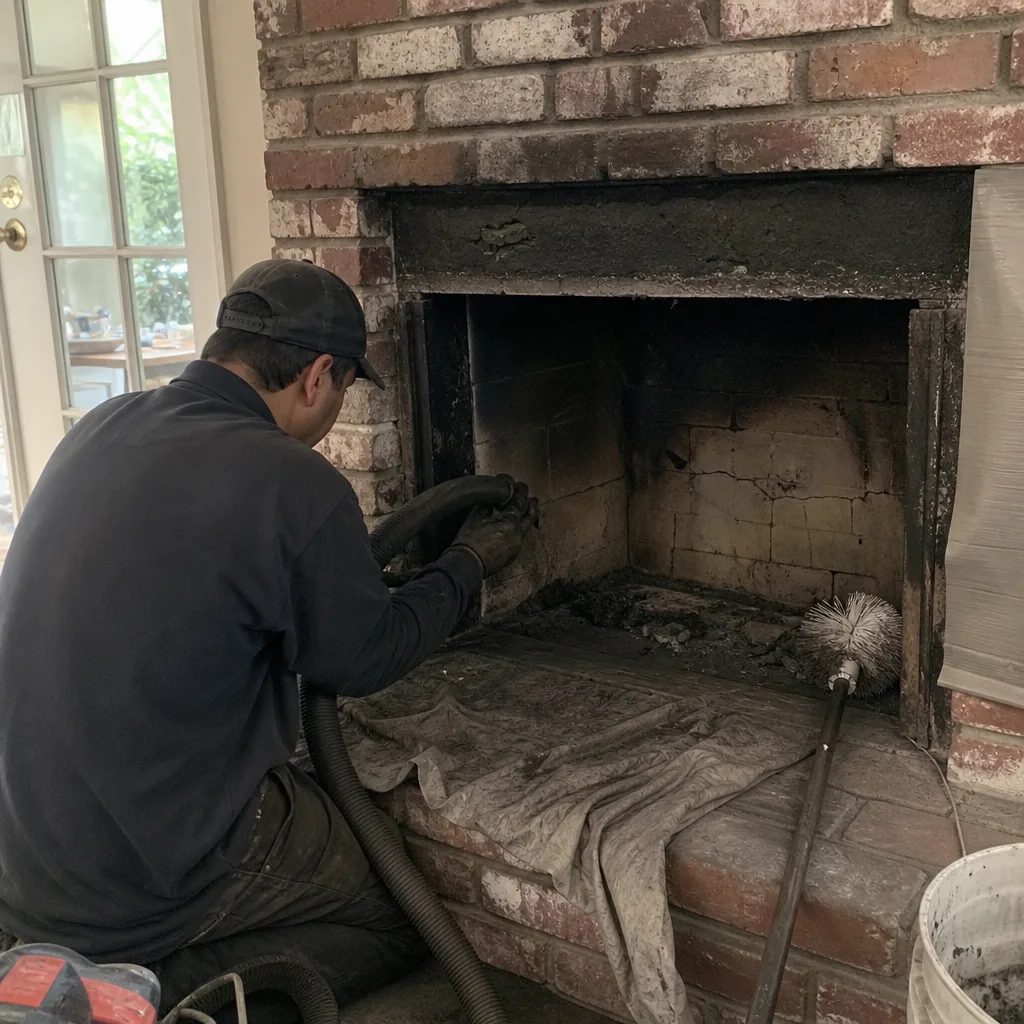 Before
 After
After