
Last updated October 15, 2026
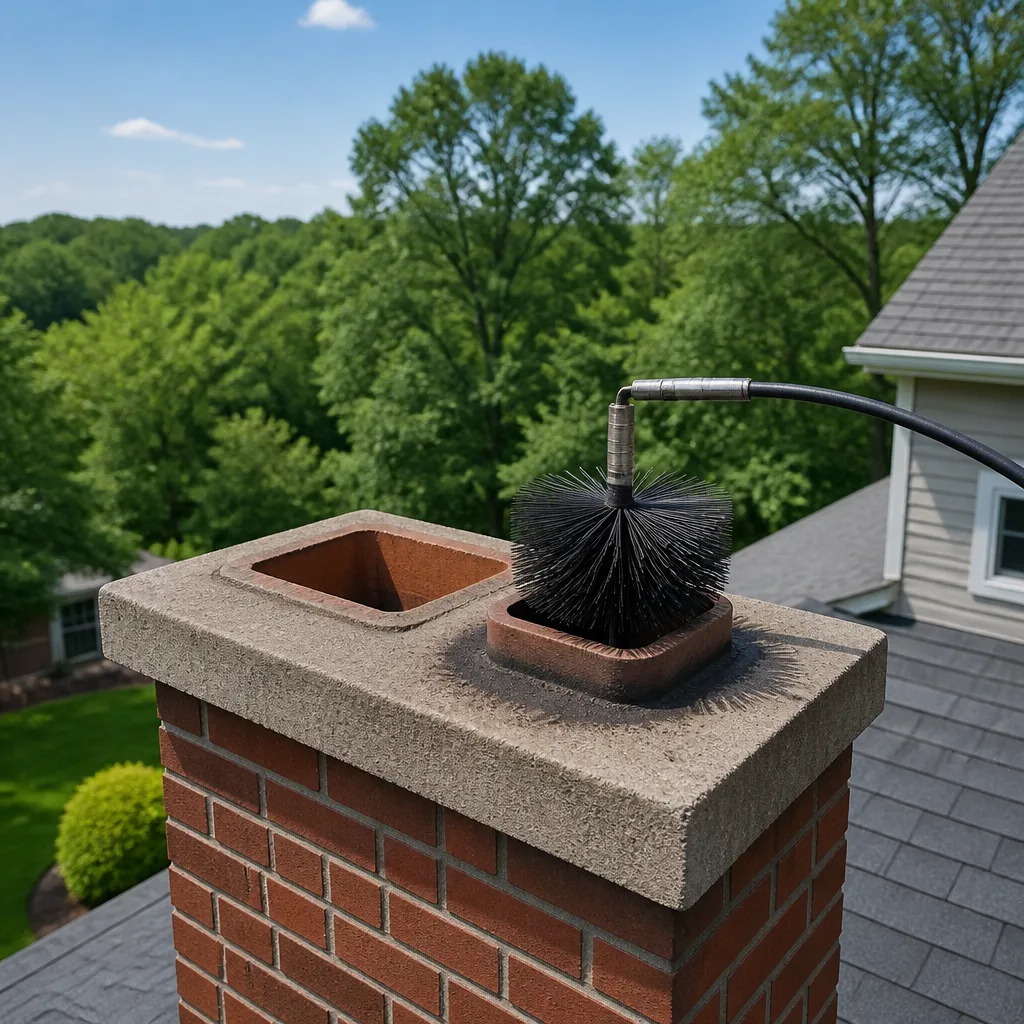 Sweep & inspection
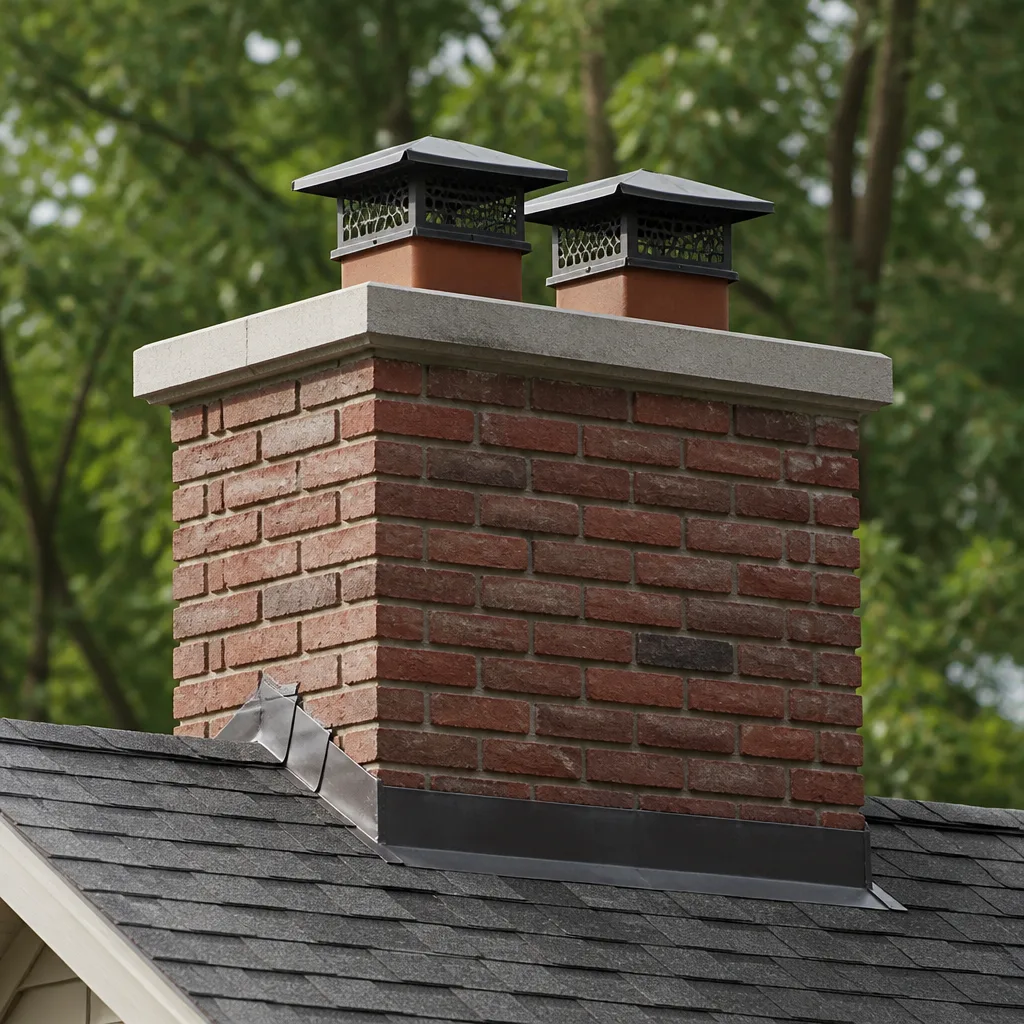 Caps & crowns
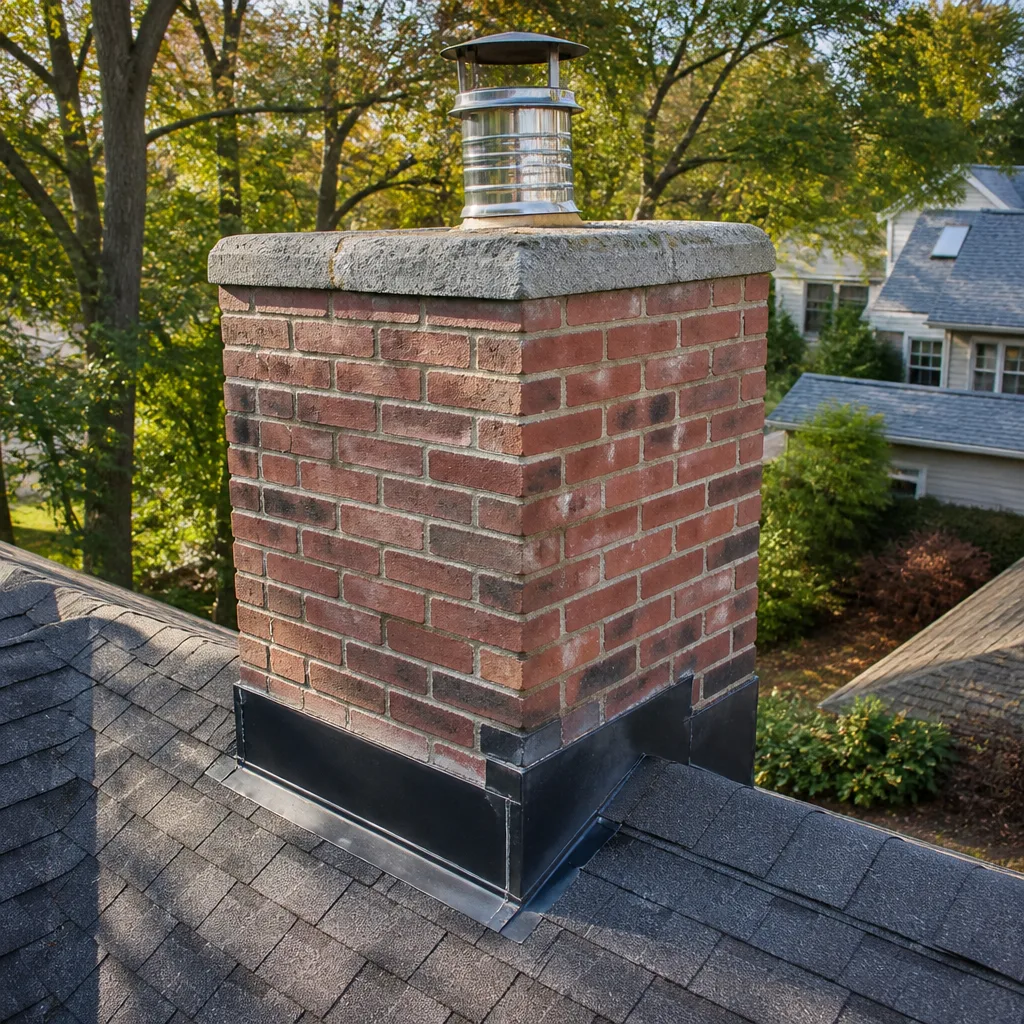 Flue relining
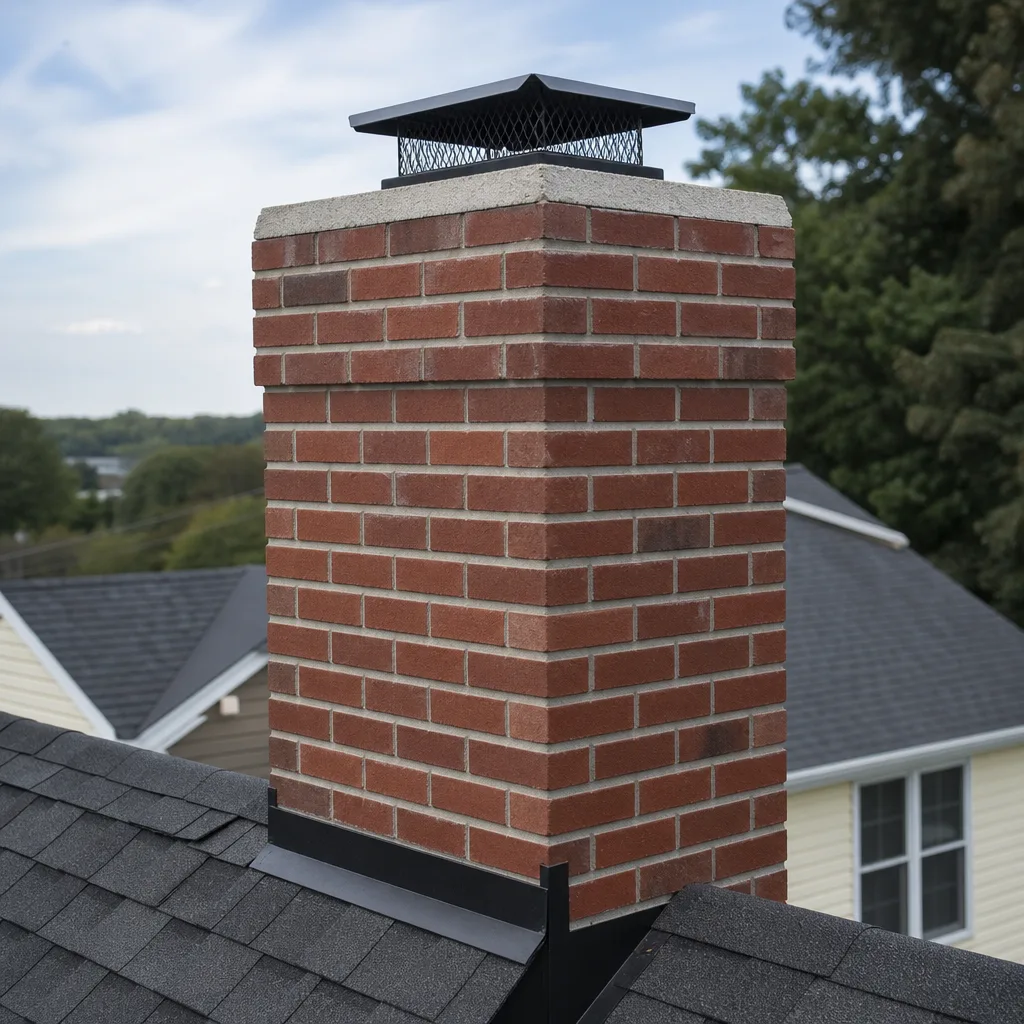 Masonry repair
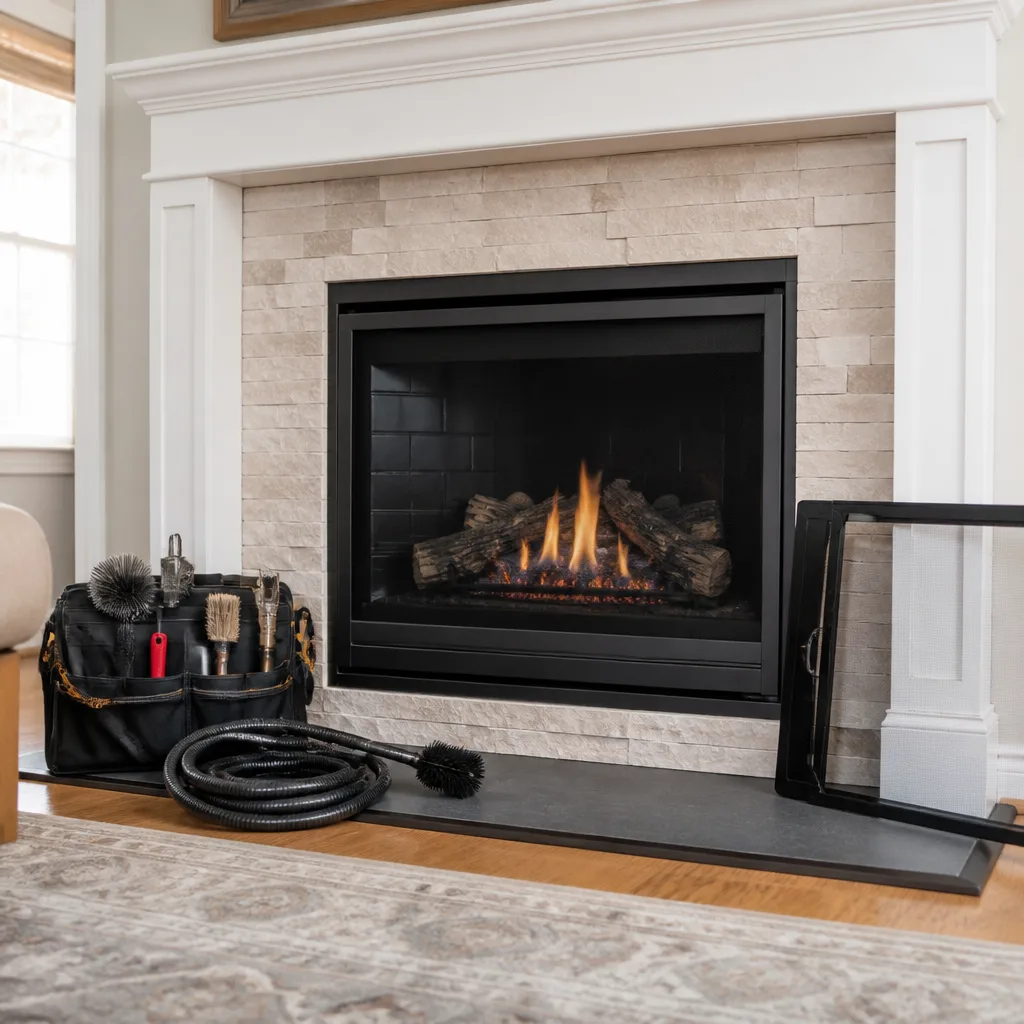 Gas fireplace service
Level 1 sweep and inspection to the NFPA 211 annual standard - flue, crown, cap, and flashing checked and photographed
Chimney sweep logs do not sweep chimneys. They loosen some creosote - which then falls where a brush and vacuum still have to collect it.
Chimney Cleaning Permits, Codes & Inspections in CA: What You Need to Know
Here’s the surprise most San Jose homeowners don’t see coming: the $229 chimney sweep you booked doesn’t need a permit, but the $4,500 liner repair that same sweep recommends absolutely does. That disconnect is where people get hurt. This guide walks through exactly which chimney jobs require a permit in California, which don’t, how Spare the Air rules affect when you can even use your fireplace, and what an unpermitted repair does to your insurance claim when something goes wrong. If you’re in San Jose, this is the straight version.
Quick Answer
Routine chimney cleaning and visual chimney inspections do not require a permit anywhere in California, including San Jose, as explained in The Complete Guide to Chimney Cleaning in San Jose. However, structural repairs like relining a flue, rebuilding a firebox, or replacing a chimney crown often do require a City of San Jose building permit, and skipping that permit creates title and insurance problems that typically surface when you sell the home or file a claim.
Styles & brands we work with
Table of Contents
- What Needs a Permit vs. What Doesn’t
- San Jose-Specific Permit Requirements
- California Health & Safety Code and Your Fireplace
- BAAQMD Spare the Air Rules
- What Unpermitted Work Does to Insurance Claims
- Questions to Ask Before Any Repair Work
- How to Document Permitted Work
- Common Mistakes to Avoid
What Needs a Permit vs. What Doesn’t
Let’s separate this cleanly, because the confusion is real. A permit is about altering the structure, not about maintaining it. Sweeping removes creosote from the inside of a flue. Inspection looks at what’s there. Neither changes the chimney’s structure, so neither triggers the building code. Repairs are different: when you replace a component or change how the chimney functions, the city wants to review it.
Here’s the breakdown for chimney work in California:
- Chimney sweeping: No permit. This is maintenance, like changing your furnace filter.
- Chimney inspection (Level 1, 2, or 3): No permit. It’s diagnostic, not structural.
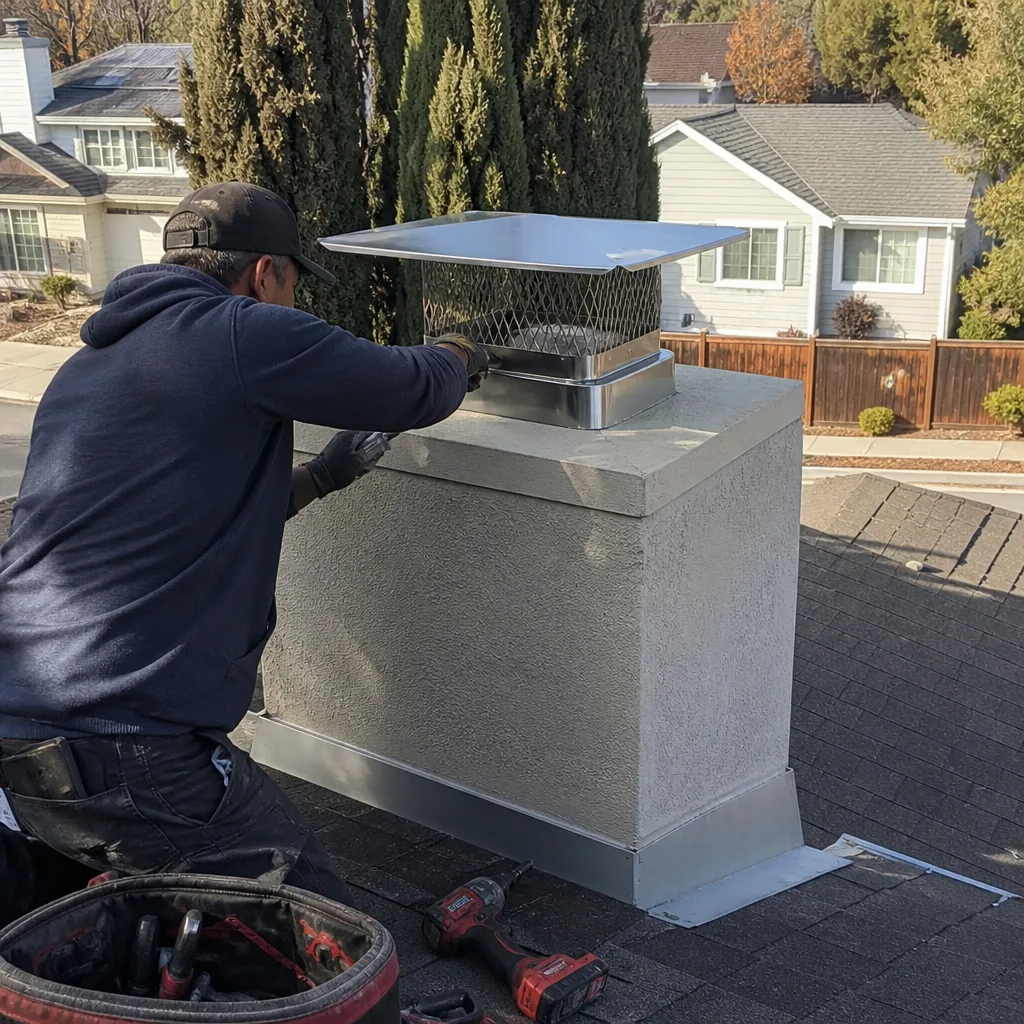
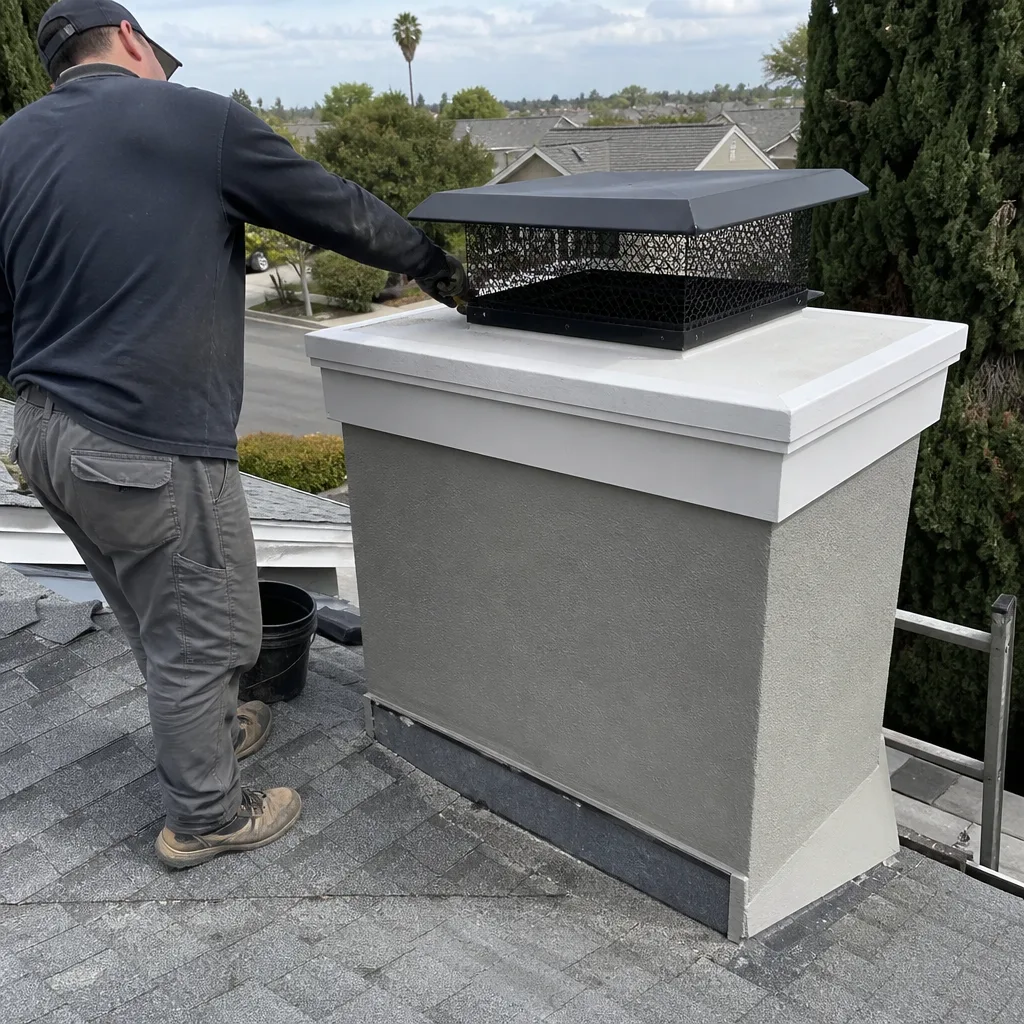
- Chimney cap replacement: No permit in most cases. You’re swapping a component without altering the flue structure.
- Flue relining (with a steel liner like DuraFlex or a HeatShield resurfacing): Permit required in San Jose. You’re changing the venting path and material.
- Firebox repair or rebuild: Permit required if the repair alters dimensions or replaces more than the surface mortar joints. A full firebox rebuild definitely requires one.
- Chimney crown repair or replacement: Permit required if it involves structural work beyond sealing small cracks.
- Chimney removal or partial demolition: Permit required.
- Masonry repointing (tuckpointing) of exterior brick: Usually no permit if it’s cosmetic and less than a certain percentage of wall surface, but San Jose has specifics. Ask.
The line is: does the work change how the chimney performs or how it’s built? If yes, assume you need a permit unless a licensed contractor confirms in writing that you don’t.
San Jose-Specific Permit Requirements
San Jose follows the California Building Code with local amendments, and the city’s Building Division is specific about chimneys. Any structural alteration to a fireplace, flue, or chimney requires a building permit from the City of San Jose’s Building Division. That includes installing a new fireplace insert, replacing a damaged flue liner, rebuilding a firebox, or changing the venting configuration.
What does that mean in practice? If a sweep finishes cleaning and says, “your clay liner is cracked and needs to be relined with a steel liner,” the job that follows requires a permit-something we cover in Chimney Cleaning Warning Signs: A San Jose Homeowner’s Reference Guide. A contractor who says “we don’t need a permit for this” on a liner replacement is either wrong or cutting corners. Both are problems.
Here’s the sequence a permitted chimney repair follows in San Jose:
- Contractor pulls the building permit from the city. The permit describes the scope of work.
- Contractor does the work. A city inspector may check the job at a rough-in stage (before things get covered up) and at final.
- Inspector signs off. The permit is finalized and becomes part of the property’s record with the city.
- You keep a copy of the permit and the final inspection record. This is your proof the work was done to code.
We’ve worked on chimneys across San Jose, from Willow Glen bungalows with original 1920s brick to Almaden Valley homes with manufactured fireboxes and factory-built flues. The permit requirement doesn’t change based on the age of the chimney. It changes based on what you’re doing to it.
California Health & Safety Code and Your Fireplace
California regulates fireplaces at the state level through the Health & Safety Code, and the relevant sections are about air quality and building safety. Section 19850 through 19853 of the Health & Safety Code cover emissions from fireplaces and wood-burning appliances. Santa Clara County air quality rules layer on top of that, which we’ll cover next.
The practical takeaways for a homeowner:
- You can’t ignore a chimney that’s producing visible smoke beyond a few minutes after startup. The state code and local rules both address excessive smoke as an air-quality violation. A properly functioning chimney draws smoke up and out. If yours is pushing smoke into the living room or billowing over your neighbor’s yard, it’s not just a comfort issue; it’s a compliance problem.
- Wood-burning fireplaces in new construction are restricted. Since 2008, California building code has required that new homes use EPA-certified wood-burning appliances or gas. If you’re adding a fireplace to an existing San Jose home, wood-burning may not be an option without meeting strict emission standards.
- The state requires that chimneys serving solid-fuel appliances be inspected and cleaned as needed to prevent chimney fires. This is where the “routine cleaning” question connects to legal responsibility. The code doesn’t mandate a specific sweep schedule, but it does put the burden on you to keep the flue free of hazardous creosote buildup.
When we sweep a flue in San Jose, we’re doing maintenance the codes expect you to keep up with. When we recommend a repair, that’s where permits enter the conversation. The Health & Safety Code underpins both.
BAAQMD Spare the Air Rules
The Bay Area Air Quality Management District (BAAQMD) governs wood-burning in San Jose and the rest of the Bay Area. On a Spare the Air day, burning wood, manufactured fire logs, or any other solid fuel in a fireplace or wood stove is illegal unless it’s your only source of heat and you have a hardship exemption.
What does this have to do with cleaning permits? Two things.
First, timing. The winter season is both the busiest time for chimney cleaning and the time when Spare the Air alerts are most common. If your flue hasn’t been swept in years and you’re waiting until December, you may find yourself unable to use the fireplace on exactly the nights you want to. The practical answer is to schedule sweeping in late summer or early fall, before burn season starts. San Jose’s burn season typically runs November through February, and Spare the Air alerts can hit anytime in that window.
Second, compliance. BAAQMD fines for burning on a Spare the Air day start around $100 for a first offense but can escalate with repeat violations. More important for most homeowners: a chimney that isn’t cleaned and maintained tends to produce more visible smoke, which draws attention. If a neighbor files an air-quality complaint, the inspection that follows may include your fireplace. A clean, properly functioning chimney burns cleaner and draws less scrutiny.
A note on frequency: BAAQMD doesn’t set a mandatory sweep schedule. The National Fire Protection Association (NFPA 211) recommends annual inspection and cleaning as needed. In San Jose, most homeowners who burn wood regularly find that an annual sweep keeps creosote under control and keeps the flue functioning cleanly enough to burn through the season.
What Unpermitted Work Does to Insurance Claims
Here’s the scenario we see too often in San Jose. A homeowner buys a house. The seller’s disclosure packet doesn’t mention any chimney issues. Two years later, a chimney fire or water leak causes damage. The homeowner files a claim. The insurance adjuster looks at the chimney and finds a steel liner that was never permitted. Now the question isn’t “is this covered?” It’s “who installed this, and why wasn’t it inspected?”
Unpermitted structural work does two things to a standard homeowner’s insurance claim:
- It gives the insurer a reason to dispute the claim. Most policies have language requiring that the home be maintained and that modifications be done to code. An unpermitted liner replacement is, by definition, not confirmed to be to code. The insurer can argue that the damage resulted from work that was never inspected and therefore falls outside covered risks.
- It complicates the claim even when the insurer pays. If your home has unpermitted work and you later have a fire claim related to that work, the insurer may cover the damage but then drop your policy or raise your rates sharply. You’re flagged as a risk.
The title problem is separate but equally real. When you sell a San Jose home, the buyer’s title company may check for open permits on the property. Unpermitted work isn’t always flagged in a standard search, but if a prior owner pulled a permit for a chimney repair and never closed it, that open permit shows up. More commonly, if you disclose “relined chimney in 2019” in the seller’s disclosure and there’s no permit on file, a savvy buyer’s agent will ask about it. Unpermitted work becomes a negotiating wedge, or it kills the deal.
Our position at Ashby Chimney San Jose home is straightforward: if a repair requires a permit, we pull it. Every time. The permit protects you more than it protects us. It’s the record that the work was done correctly.
Questions to Ask Before Any Repair Work
When a chimney sweep or fireplace contractor recommends a repair, you need to know whether a permit is required and who’s pulling it. Here are the questions we tell every San Jose homeowner to ask before signing anything:
- “Does this repair require a permit in San Jose?” If the answer is no, ask for the specific code section that exempts it. A good contractor knows the answer immediately.
- “Will you pull the permit, or do I need to?” The contractor should pull the permit. If they ask you to pull it, that’s a red flag: it usually means they can’t, which often means they’re not licensed.
- “What materials will you use for this repair?” A reputable chimney company uses recognized trade materials. We use products from established brands like HeatShield for resurfacing and Gelco for masonry repair. Generic answers like “whatever works” are a warning.
- “Can you show me the damage before you start the repair?” Any company worth hiring will have camera inspection footage or photos. You should see the cracked liner or damaged firebox with your own eyes before authorizing work.
- “What’s the written price, and does it include the permit fee and inspection?” The price should be in writing before work starts, and it should include the permit cost. Nothing should be added on at the door.
If a contractor says a repair “doesn’t need a permit” but it’s a liner replacement, firebox rebuild, or structural change, get that in writing and then verify with the City of San Jose’s Building Division. You can call the city directly. It takes five minutes.
How to Document Permitted Work
You’ve had a permitted chimney repair done. The inspector signed off. Now what? Document it so the next owner or your insurance company can see what was done. Here’s the record you should keep:
- Copy of the building permit with the permit number and the scope of work described.
- Copy of the final inspection sign-off from the City of San Jose. This is the document that closes the permit.
- Receipt or invoice from the contractor that matches the permit scope and shows what was paid.
- Before and after photos from the contractor’s camera inspection. These show what the damage looked like and what the repair looks like afterward.
- Warranty documentation for any liner or component installed. At Ashby, every repair gets a written guarantee. Keep it with the permit.
When you sell your San Jose home, this file is gold. You hand it to the buyer’s agent and the “what about the chimney?” question disappears before it gets asked. The permit proves the work happened. The inspection proves it passed. The photos prove it was done right.
This is also the proof an insurance adjuster wants to see. If you ever have a chimney-related claim, the first thing you’ll be asked for is evidence that the chimney was maintained and repaired correctly. A permit file says exactly that.
Common Mistakes to Avoid
- Assuming the sweep took care of the legal side. A chimney cleaning does not require a permit, but the repairs a sweep flags often do. Your sweep’s job is to clean and inspect. The company doing the repair is the one responsible for permits. Confirm it’s happening.
- Paying for a liner replacement without checking for a permit. In San Jose, flue relining requires a permit. If you paid $4,000 for a liner and there’s no permit, you’ve paid for work that could become a title problem.
- Using a handyman for firebox or liner work. General handymen are not licensed for this scope of work in California, and they can’t pull the required permits. The work they do won’t be inspected, and you’ll be the one holding the problem.
- Burning on Spare the Air days because “it’s one night.” Fines start small but repeat violations escalate. And if your chimney is producing visible smoke, you’re more likely to get reported.
- Waiting until December to schedule a sweep. San Jose’s burn season is when every chimney company is booked ahead. Scheduling in September or October means you’re ready when the first cold night hits and Spare the Air restrictions kick in.
- Losing the permit and inspection records. The value of permitted work is in the paper trail. A permit that was pulled but can’t be documented is little better than no permit at all when it comes time to sell or file a claim.
See the difference
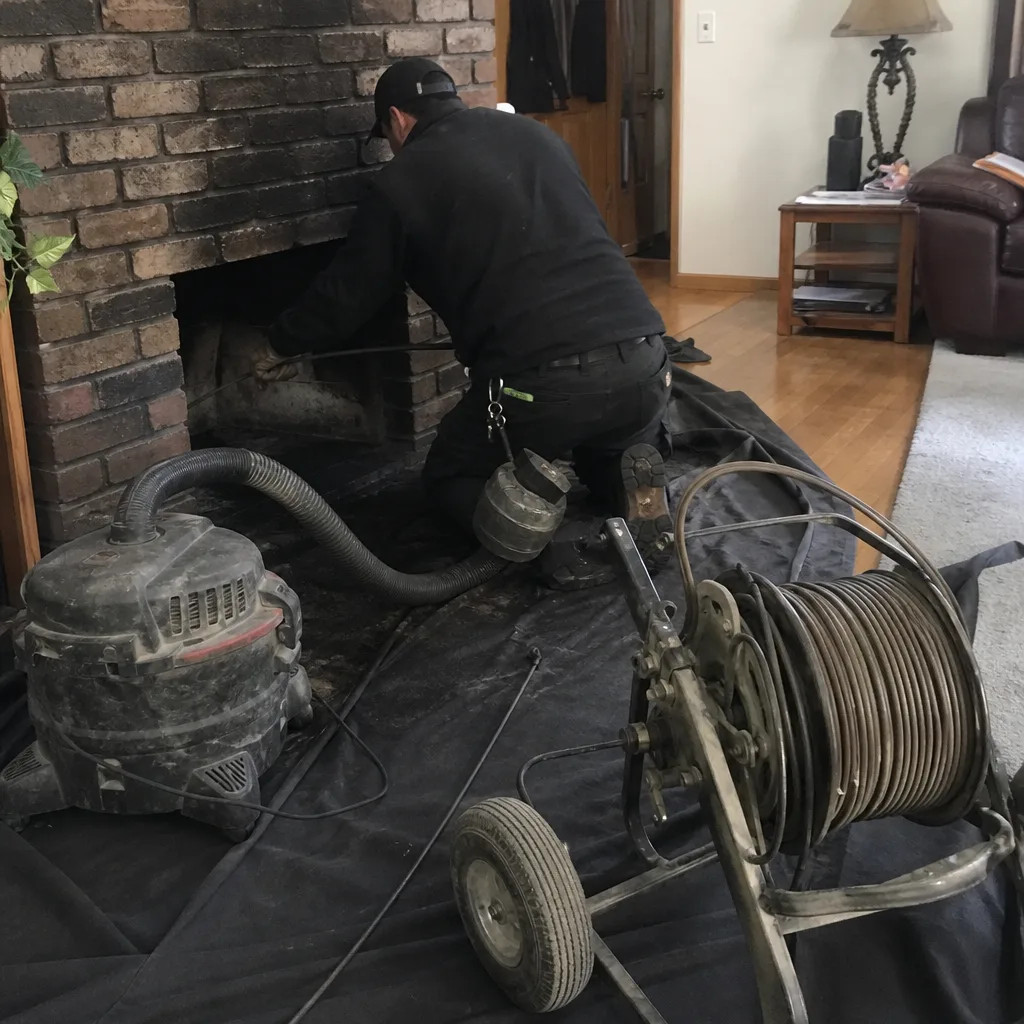 Before
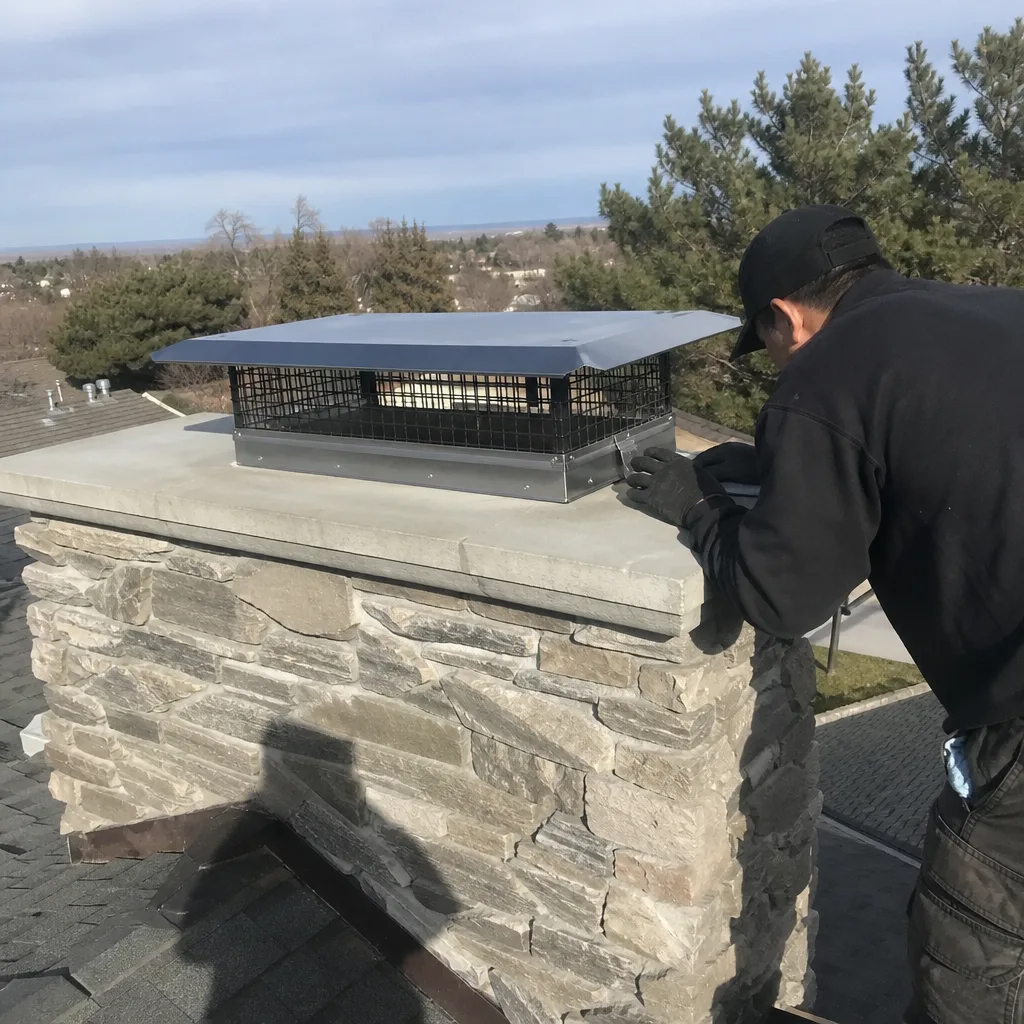 After
After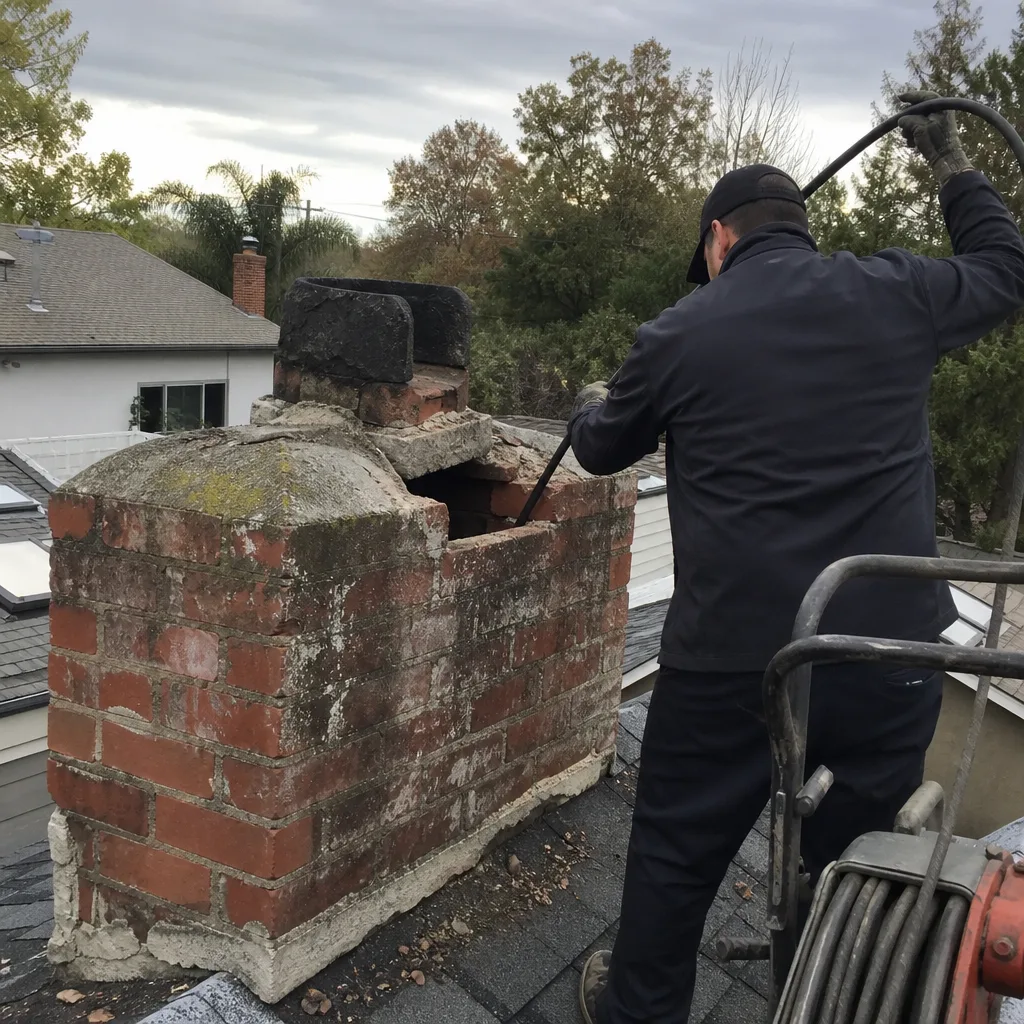 Before
 After
After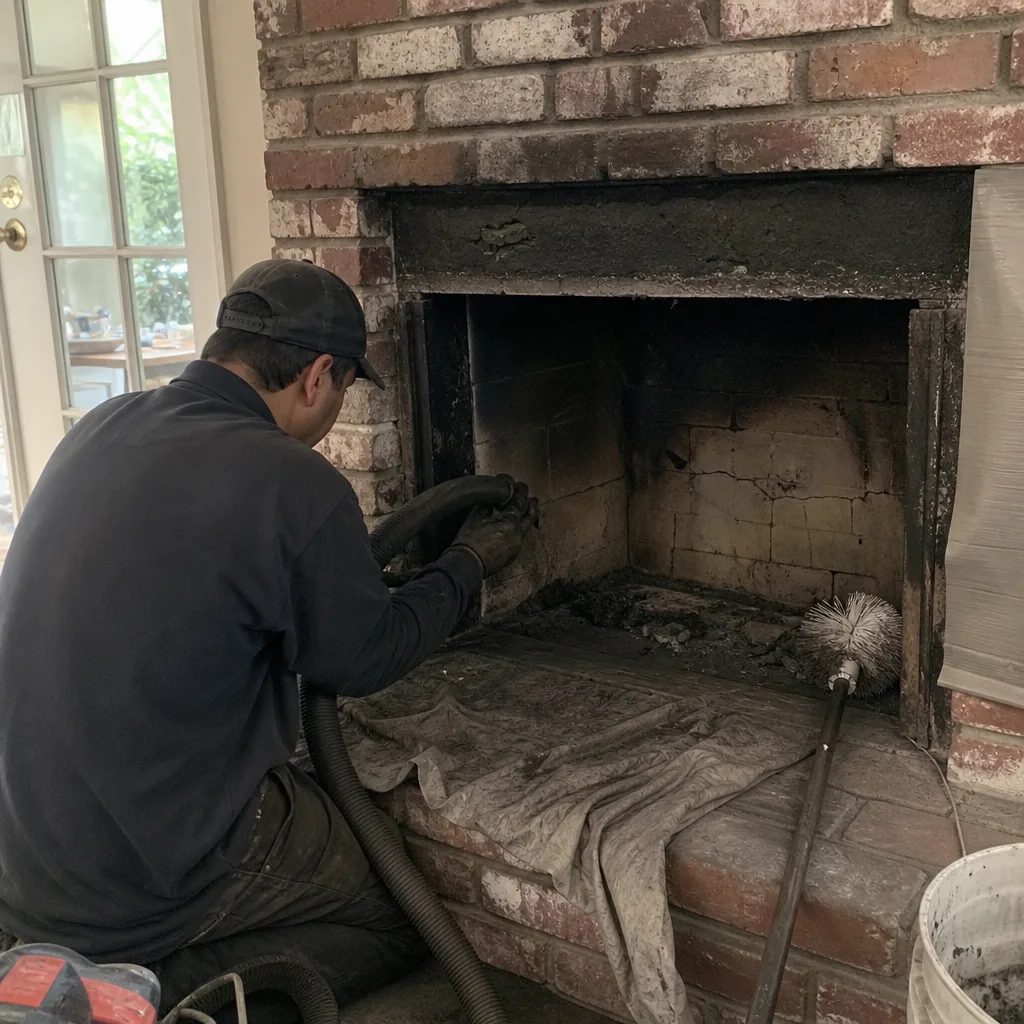 Before
 After
AfterWhen to Call a Professional
If you’ve had a chimney cleaning and the technician found a cracked flue liner, damaged firebox, or deteriorated chimney crown, you need a licensed chimney contractor who pulls San Jose permits. If you’re buying a home in San Jose and the seller mentions chimney repairs but can’t produce a permit, get a Level 2 chimney inspection before closing. If you’ve burned wood regularly for more than a year without a sweep, schedule one before burn season resumes.
If you don’t know whether your chimney needs work, that’s the simplest call. Chimney Inspection in San Jose is where it starts for us. We camera-inspect the flue, show you what we find, and tell you plainly what needs work now and what can wait. If a repair is needed and a permit is required, we pull it. The written price includes the permit, and the written guarantee covers the repair. Ashby Chimney San Jose offers free estimates in San Jose. Call (669) 266-5073.
Frequently Asked Questions
No. Chimney cleaning is considered routine maintenance and no permit is required anywhere in California, including San Jose. Permits come into play only when structural repairs are needed, like relining a flue or rebuilding a firebox.
Flue relining, firebox rebuilds, chimney crown replacement, and any structural alteration require a City of San Jose building permit. Chimney Sweep in San Jose work itself doesn’t. If a repair changes how the chimney performs or how it’s built, assume a permit is needed until a licensed contractor confirms otherwise in writing.
Most chimney sweeps in San Jose run between $200 and $350 for a standard cleaning with a Level 1 inspection. Prices go up if the flue hasn’t been swept in years, if there’s heavy creosote buildup, or if the sweep includes a camera inspection. Get a written price before work starts, and don’t pay extra for things that should be included, like basic inspection and a final report.
No. Burning wood or manufactured logs on a Spare the Air day is illegal in San Jose unless you have a hardship exemption from BAAQMD. These alerts are announced in advance and apply to all nine Bay Area counties. Call the number above for an exact quote on a sweep before burn season.
The unpermitted repair becomes a disclosure problem. You either disclose it and give the buyer negotiating leverage, or you don’t disclose it and face potential liability if the issue surfaces after closing. The cleanest path is to have the work permitted retroactively where possible, or to get the repair inspected and documented by a licensed contractor.
The NFPA recommends annual inspection and cleaning when creosote buildup reaches 1/8 inch. For San Jose homeowners who burn wood regularly through the winter, that usually means a sweep once a year. Homes with occasional fireplace use may go two years between cleanings. A camera inspection tells you exactly where you stand.
The Bottom Line
The cleaning that brought you to this guide is simple: no permit needed. For more guides & resources on keeping your chimney safe, see our blog. The repairs that sometimes follow are where San Jose homeowners get into trouble. A flue liner or firebox repair without a permit is a problem waiting for the day you sell the house or file an insurance claim. The fix is simple too: ask the contractor whether a permit is required, insist that they pull it, and keep the sign-off documents. If you’re in San Jose and not sure where your chimney stands, call (669) 266-5073 for a free estimate. We’ll camera-inspect the flue, show you what we see, and give you a written price before any work starts.
Written by Nathan Corliss, Owner at Ashby Chimney San Jose, serving San Jose since 2002.