
Last updated October 15, 2026
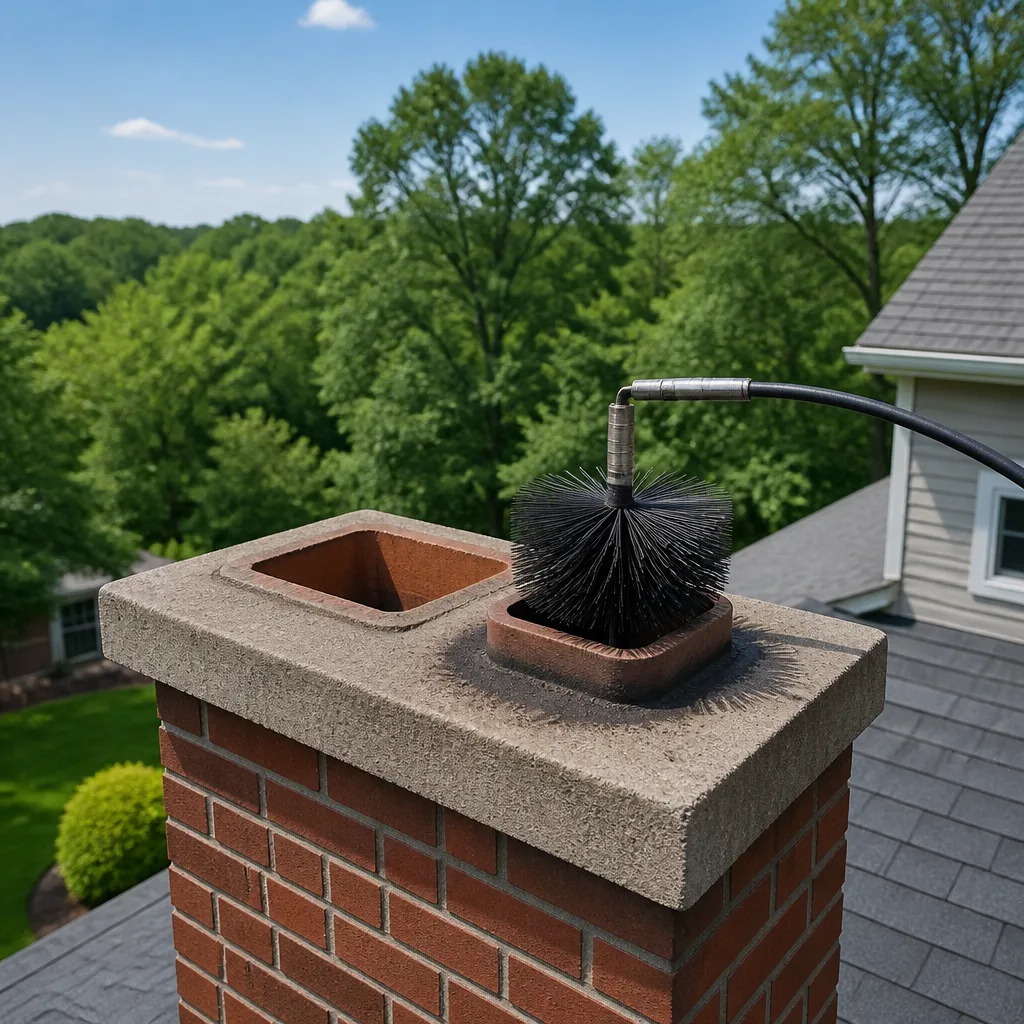 Sweep & inspection
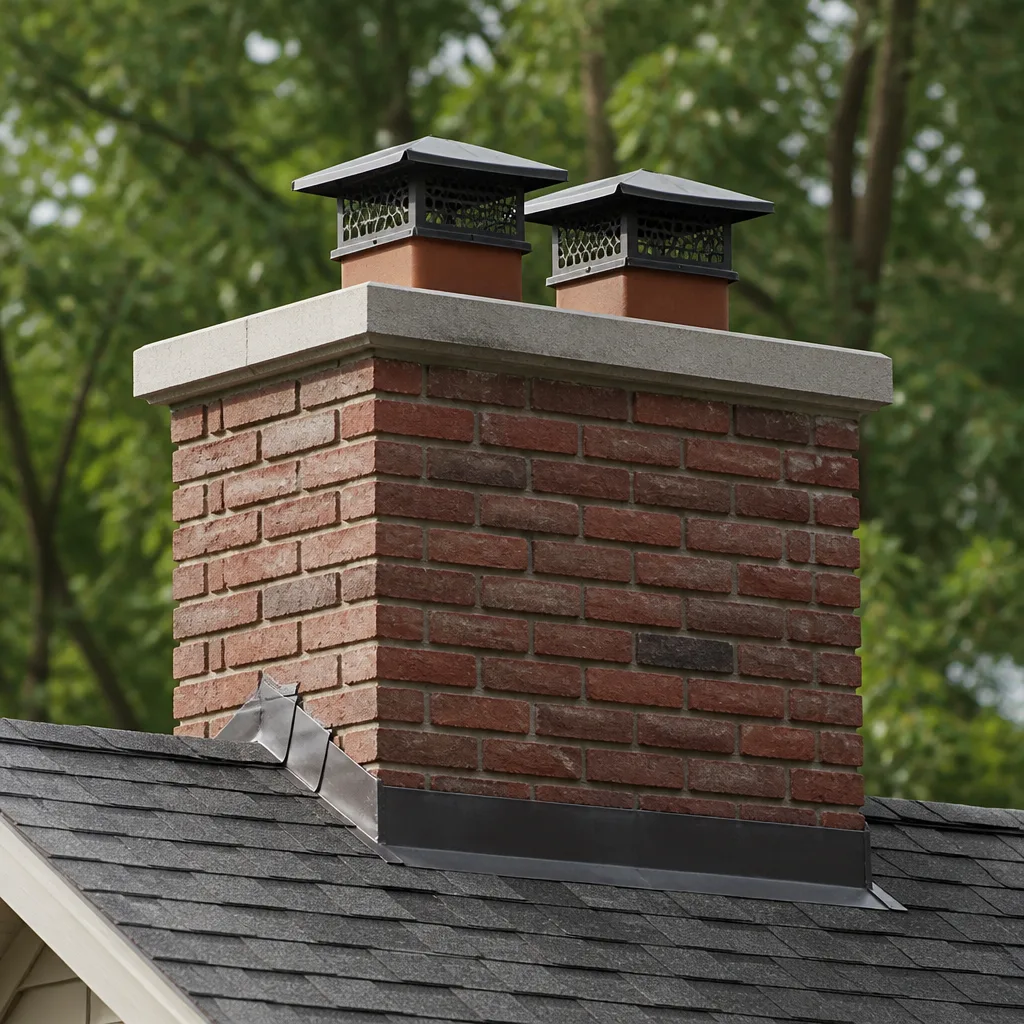 Caps & crowns
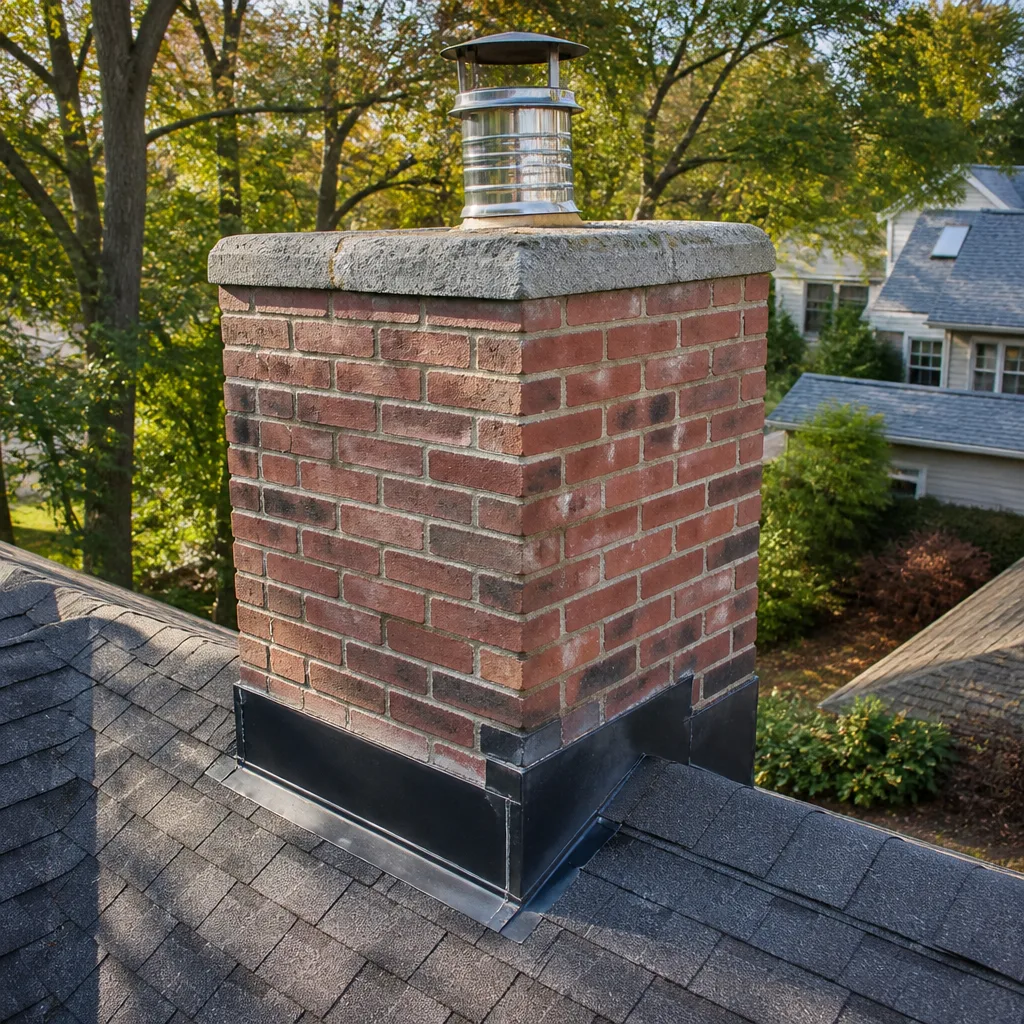 Flue relining
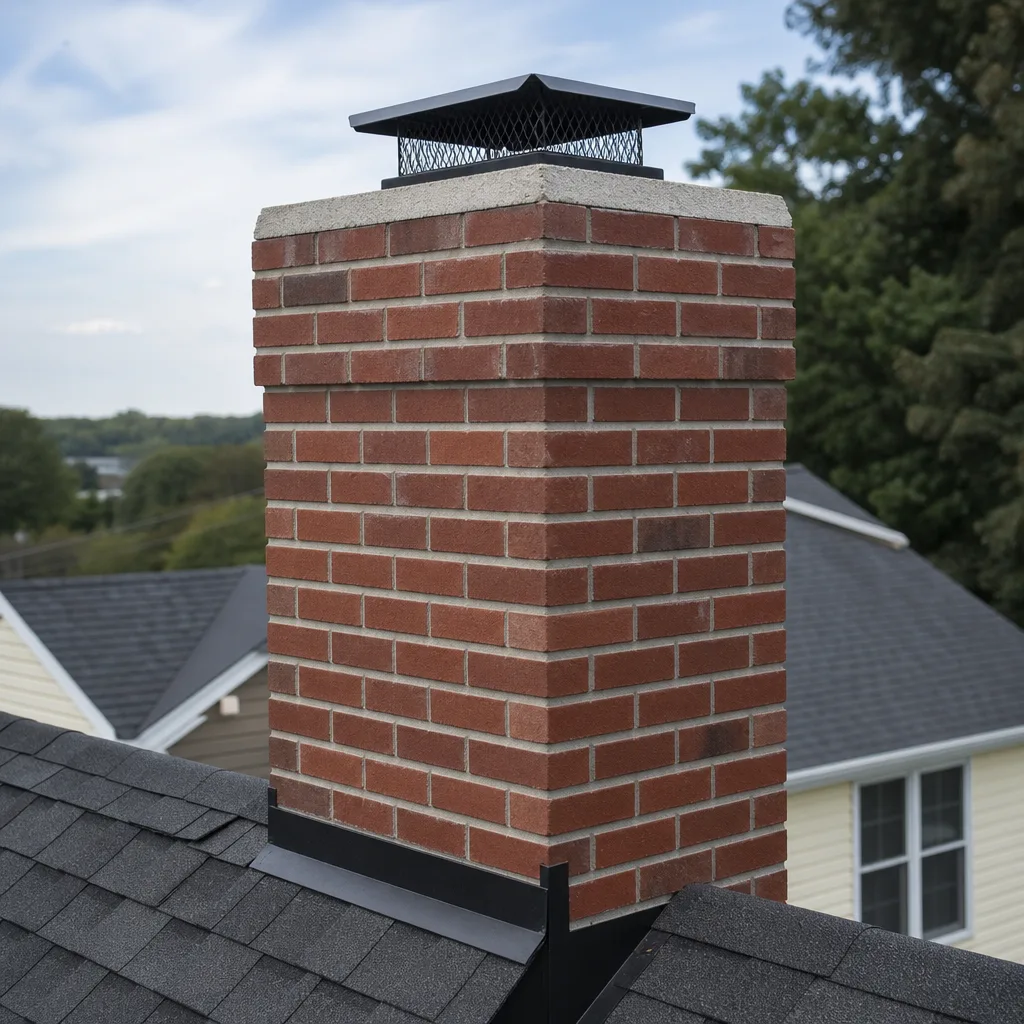 Masonry repair
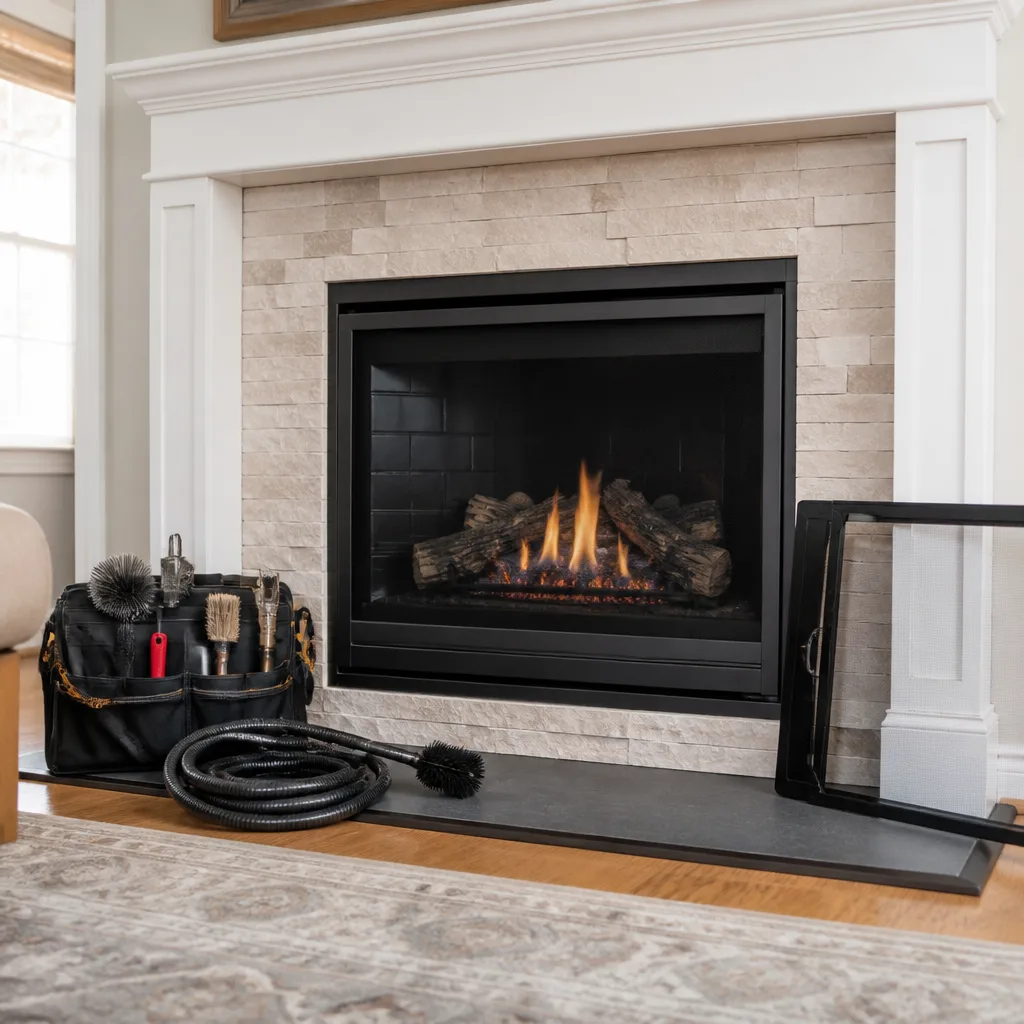 Gas fireplace service
Level 1 sweep and inspection to the NFPA 211 annual standard - flue, crown, cap, and flashing checked and photographed
Chimney sweep logs do not sweep chimneys. They loosen some creosote - which then falls where a brush and vacuum still have to collect it.
Chimney Sweep Maintenance Checklist for San Jose Homeowners
Most chimney maintenance checklists you’ll find online were written for homeowners in Minnesota or upstate New York, people who burn fires eight months a year and treat their flue like a second furnace. San Jose homeowners burn two, maybe three months out of the year, and the fireplaces here face a different set of problems: infrequent use, creosote that sits and hardens between seasons, and rain that finds its way into chimneys that spend most of the year cold and unused. This checklist is built for San Jose specifically. It tells you which tasks you can verify yourself with a flashlight, which ones require a trained professional, and which ones you can safely skip without losing sleep.
Styles & brands we work with
Quick Answer
A chimney maintenance checklist for San Jose homeowners comes down to three things: visually checking your firebox, damper, and chimney cap each fall before burn season; hiring our Chimney Sweep services for a professional inspection every one to two years depending on how often you burn; and documenting what you find with photos so you have a baseline if something changes. Most San Jose homes that burn wood two to three times a week during winter need a professional sweep every other year, but an annual inspection is the safest rhythm given how creosote hardens in our mild, dry climate between burn seasons.
Table of Contents
- The San Jose Burn Season: Why Your Checklist Should Look Different
- Owner-Checkable Items: What You Can Verify Yourself
- Professional-Required Items: What Needs a Trained Eye
- How to Read Your Own Firebox After a Burn Season
- Maintenance Intervals Calibrated for San Jose’s Short Burn Season
- Documenting Your Chimney: The Photo Baseline That Protects You
- How to Store Your Checklist Results So Any Contractor Can Read Them
- Common Mistakes to Avoid
- When to Call a Professional
- Frequently Asked Questions
- The Bottom Line
The San Jose Burn Season: Why Your Checklist Should Look Different
A national chimney checklist assumes you’re burning fires from October through April. In San Jose, the reality is different. Most homeowners in neighborhoods like Willow Glen, Almaden Valley, and the Rose Garden burn from late November through February, and plenty of them burn only on weekends or during the handful of rainy weeks we get each winter. That changes the math on creosote buildup, and it changes which maintenance tasks actually matter for your home.
Why does the burn season length matter? Because creosote, the tarry byproduct of wood combustion, behaves differently depending on burn frequency and climate. In a humid climate with a long burn season, creosote accumulates in layers and tends to stay softer. In San Jose’s dry air, creosote that forms during a short burn season can harden and glaze onto the flue liner walls during the long idle months. Glazed creosote is more difficult to remove and more likely to fuel a chimney fire if it ignites. This is why the Chimney Sweep in San Jose schedule for local homes often looks different from what a generic online guide recommends.
The good news? A shorter burn season means some tasks on a long national checklist are simply irrelevant here. You don’t need to think about mid-winter creosote removal because most San Jose homeowners never accumulate enough creosote in a single season to require it. What you do need to think about is what happens to your chimney during the eight or nine months it sits unused, and what the next fall startup should look like.
Here’s the framework we use when talking with San Jose homeowners. We call it the decision tree:
- Does your fireplace show visible creosote buildup, staining, or debris? If yes, call for a sweep before you burn again.
- Has it been more than two years since a professional inspection? If yes, schedule an inspection regardless of how little you burn.
- Was there a chimney fire, water intrusion, or a strange smell during the last burn season? If yes, that’s a problem that requires a professional look, not just a sweep.
- Does the damper open and close fully, and does the cap look intact from the ground? If yes, you’ve cleared the basic owner checks and can move on.
This decision-tree approach matters because San Jose homeowners who burn only occasionally often assume their chimney needs nothing at all. That’s not right either. A chimney that sits idle develops problems too, and some of them are worse because nobody notices until the next fire.
Owner-Checkable Items: What You Can Verify Yourself
You don’t need special tools to check most of your chimney’s external and visible components. A flashlight, a pair of gloves, and a willingness to get down on your hands and knees for two minutes is enough. Here’s what’s in your reach.
The firebox (where the fire burns)
Shine a flashlight across the interior walls of the firebox, paying attention to the mortar joints between the firebricks. Look for cracks in the firebrick itself, missing chunks of mortar, or any section where the brick has shifted out of alignment. A small surface crack in one firebrick is usually not an emergency. A crack that runs through multiple bricks or that widens from top to bottom should be evaluated by a professional. Firebrick is your first line of defense against heat reaching the combustible materials behind your fireplace. In older San Jose homes built in the 1950s through 1970s, firebox deterioration is common, and it’s one of the things we see most often in Fireplace Repair in San Jose calls.
The damper (the metal door above the firebox)
Open and close the damper several times. It should move freely, seat fully when closed, and stay in position when open. A damper that’s rusted open lets conditioned air escape your home year-round, and a damper that’s rusted shut makes a fire smoky and unsafe. If you hear grinding or the damper doesn’t fully close, that’s a repair item, not a cleaning item. Don’t force it, a broken damper assembly can be worse than a stuck one.
The chimney cap (top of the flue, visible from the ground)
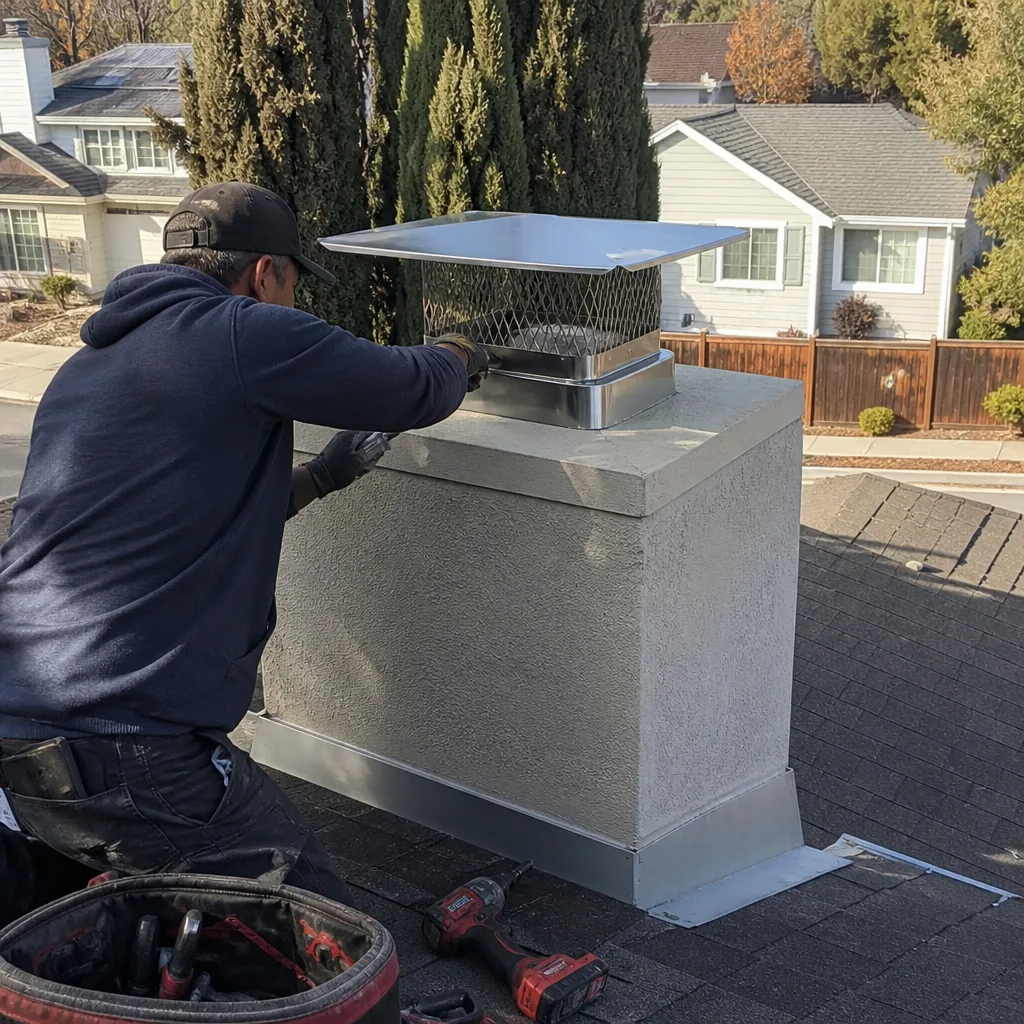
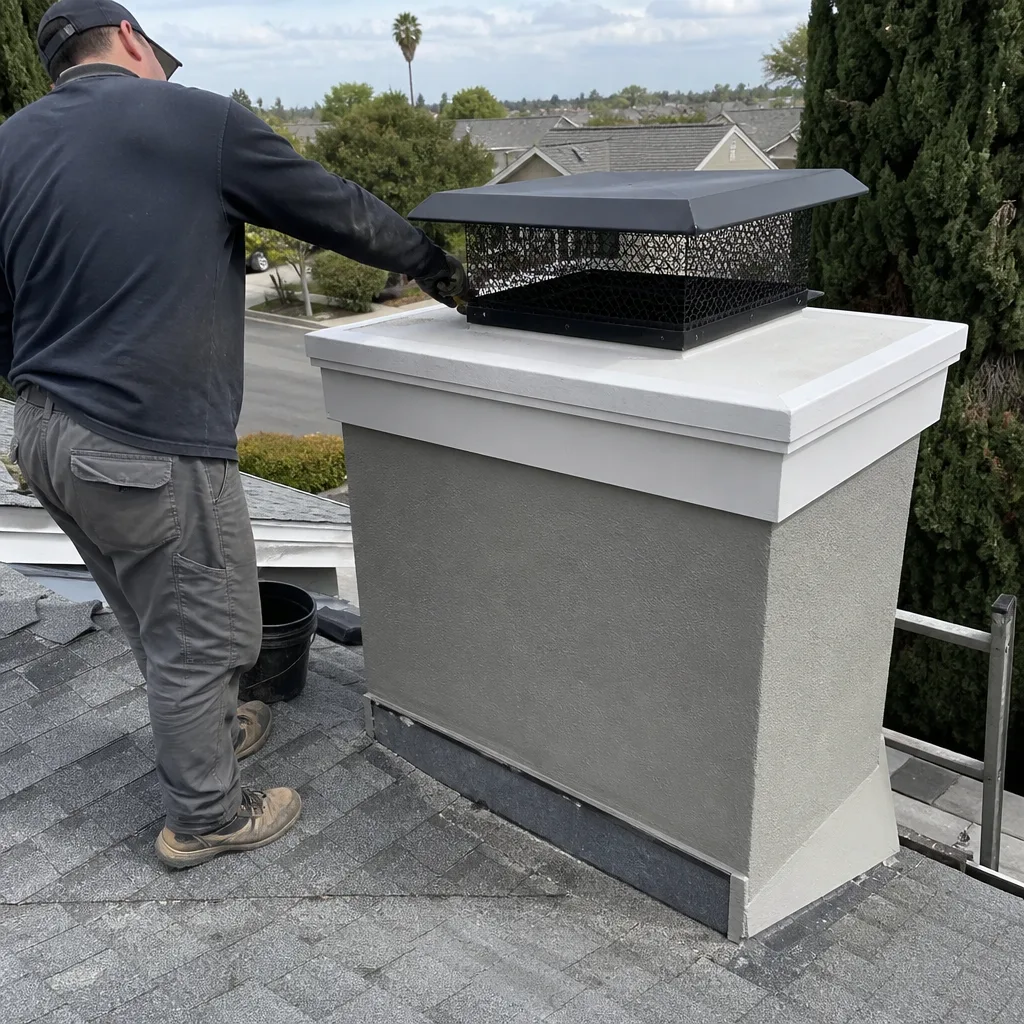
Walk outside and look at the top of your chimney. You should see a metal cap covering the flue opening. If the cap is missing, bent, or knocked askew, rain gets in. San Jose gets about 15 inches of rain a year, nearly all of it between November and March. That’s more than enough for an uncapped chimney to absorb water into the masonry and the flue liner. A missing cap also invites birds, squirrels, and debris. Cap replacement is a straightforward fix, and brands like Gelco and Olympia Chimney make caps in standard sizes that fit most San Jose flues.
The exterior masonry (from the ground)
Scan the chimney from the ground at several different times of day, because changing light reveals different problems. Look for cracks in the mortar joints, white staining (efflorescence) that signals moisture moving through the brick, and any spalling, which is when the brick face flakes off in sheets. If you see spalling, that means water has been getting into the brick for some time. That’s worth a professional assessment, because the cause is usually a failed chimney crown or damaged mortar joints above the roofline.
The smoke test (only when the chimney is cold)
On a cool day when the chimney is completely cold and the fireplace has been unused for at least 24 hours, carefully light a match or a small piece of rolled newspaper and hold it up inside the firebox, near the open damper. Watch the smoke. If it drafts up and out of the chimney, great. If it hangs in the firebox or drifts back into the room, that indicates a draft problem, which could be caused by a blocked flue, a closed damper, a cold chimney, or negative air pressure in the house. This is not a definitive test, but it’s a useful early signal that something is wrong before you spend an evening choking on smoke.
Professional-Required Items: What Needs a Trained Eye
Some parts of your chimney are simply not accessible or assessable from the living room. These are the components where problems start quietly and become expensive, and where a professional inspection pays for itself many times over.
The flue liner (the clay or steel tube that vents combustion gases out of your home)
You cannot see your flue liner from the firebox. A professional uses a camera to inspect the full length of the liner, looking for cracks, gaps, spalling clay tiles, or corrosion in a steel liner. In San Jose, many homes built before 1980 have original clay tile liners that are now 45 to 70 years old. Clay liners have a finite lifespan, and once they start cracking, the gaps allow heat and gases to reach the surrounding masonry and, in a worst case, adjacent framing. This is not a DIY item, and it’s not visible from the ground or the firebox. If your Chimney Inspection in San Jose turns up liner damage, repairs using materials from brands like Copperfield are a permanent fix, not a patch.
The smoke chamber (the angled section above the damper)
The smoke chamber funnels smoke from the firebox up into the flue. Its corbeled, stepped construction is notoriously difficult to inspect thoroughly and even harder to clean thoroughly. Creosote builds up on the smoke chamber walls just as it does in the flue, but it’s harder to remove because of the geometry. A professional inspection always includes this area, and if your chimney has been swept in the past by someone who skipped it, that’s a hidden accumulation point.
The chimney crown (the concrete top that seals the masonry)
The crown is the chimney’s umbrella. It’s the sloped concrete surface at the very top that directs water away from the flue and the masonry. Over time, crowns in San Jose develop hairline cracks from our summer heat and winter rain. A cracked crown lets water into the brick below, and in older chimneys that water migrates down and shows up as damp spots on interior walls or musty smells near the fireplace. Crown repair is not a job for a homeowner who doesn’t want to be on the roof, and it’s not a job for a handyman. A proper crown repair involves removing degraded concrete, rebuilding the slope so water runs off, and sealing it correctly.
The exterior masonry above the roofline
You can see the lower section of your chimney from the ground, but the part above the roof, where the chimney meets the flashing, is a different story. That’s where leaks start. Flashing that’s pulled away from the chimney, cracked, or rusted needs to be inspected from the roof, not from your driveway.
We’ve seen San Jose chimneys with immaculate fireboxes and catastrophic flue liners. The firebox is visible, so people take care of it. The liner is invisible, so people ignore it until it’s too late. That’s exactly why the pro-required list exists, because the things you can’t see are the things that cause chimney fires and carbon monoxide issues.
How to Read Your Own Firebox After a Burn Season
Your firebox tells a story if you know how to read it. After a burn season, before you call a sweep, go down and look at it closely with a flashlight. Here’s how to interpret what you see.
- Black, flaky soot that wipes off easily with a paper towel. This is normal combustion residue from a season of burning. If the firebox was in reasonable shape before the season and the soot is light, you may still be in good shape. This does not necessarily mean you need a sweep, though a second season of buildup without removal starts to push it.
- Shiny, hardened black deposits that won’t wipe off. That’s glazed creosote, and it’s a different animal. Glazed creosote is highly flammable and indicates that your fires are burning too cool or you’re burning wood with high moisture content. If you see glazing in the firebox, there is almost certainly similar or worse buildup in the flue and smoke chamber. Call for a sweep before the next fire.
- Whitish or gray stains on the firebrick. This is usually efflorescence, which means moisture is getting into the brick from outside. It’s not a combustion issue, it’s a water intrusion issue. Streaking that appears after heavy rain points to a cap or crown problem.
- Crumbling mortar or loose firebrick. This is structural wear. One loose brick can often be re-bedded with refractory mortar. If multiple bricks are loose or the mortar joints are eroding across a wide area, the firebox needs a professional repointing. Burning fires in a firebox with failing mortar accelerates the damage and risks heat transfer into the framing.
- Rust-colored staining or a persistent damp smell. Rust stains usually come from the damper or the firebox grate, but if they appear on the brick itself that can indicate water sitting in the masonry. A damp, musty smell around the fireplace after it hasn’t rained recently is also a moisture red flag. That’s a chimney inspection item, not just a sweep item.
The firebox is the one part of your chimney that gives you direct visual feedback on what’s happening above it. Learn to read it before you burn, after you burn, and again before you call a sweep. If you do that consistently, you’ll never be surprised by what a professional finds during an inspection, because you’ll have seen the warning signs yourself.
And a note on ash removal: don’t vacuum out ash with a standard household vacuum. Ash particles are fine enough to pass through household filters and damage the motor. Use a metal scoop and a metal bucket with a lid, and dispose of ash only after it’s been sitting for at least 24 hours to ensure there are no live embers. Ashby carries ash right in the name, so trust us, we’ve learned to respect the stuff.
Maintenance Intervals Calibrated for San Jose’s Short Burn Season
Here’s the simple rule that most San Jose homeowners can follow: if you burn wood fires more than twice a week during winter, schedule a professional chimney sweep every year. If you burn less than that, schedule a sweep every two years, but get a professional inspection annually regardless. Here’s why the distinction matters.
A sweep removes creosote and soot. An inspection evaluates the condition of the flue liner, smoke chamber, damper, crown, and flashing. You can need an inspection without needing a sweep, because the inspection is about structural and safety issues, not just cleanliness. In San Jose, where the burn season is short, creosote accumulates slowly, so the two-year sweep interval works for lighter users. But a chimney that sits idle for nine months can develop new problems every year: a cracked crown from summer sun, water intrusion from winter rain, a bird nest built in the spring, a damaged cap knocked loose by a tree trimming crew. The annual inspection catches those things before they become expensive.
Here’s a table of maintenance tasks and recommended intervals for San Jose homeowners:
- Owner visual check of firebox, damper, and cap: Every fall, before the first fire.
- Professional chimney inspection (Level 1): Every year for most homes, every two years at minimum for very light users.
- Professional chimney sweep: Every one to two years, depending on burn frequency and the condition of the flue liner.
- Chimney cap replacement: When the cap is missing, rusted through, or no longer seated correctly. No fixed interval.
- Crown and flashing inspection: Every year as part of the annual chimney inspection.
- Smoke test and draft check: Every fall before burn season, as an owner check.
If you’ve recently purchased a home in San Jose, treat the chimney as uninspected until proven otherwise. Many home inspections include only a basic visual check of the firebox and note that the flue was not camera-inspected. A previous owner who used the fireplace rarely may not have swept or inspected for years, and years of infrequent burning followed by long idle periods is exactly the profile that produces hidden problems.
Documenting Your Chimney: The Photo Baseline That Protects You
Every year, take the same set of photos before you burn and after the season ends. This takes ten minutes and gives you a record that can save you thousands of dollars later. Here’s what to shoot and why.
- The firebox, left wall, right wall, and back wall. Use your flashlight to illuminate the interior and take close-ups of any cracks, staining, or spalling. Do the same thing every year, from the same positions. You’re building a visual history.
- The damper. Open, closed, and halfway. Include the damper frame so you can see if rust develops over time.
- The chimney cap and crown, from the ground. Zoom in if your phone’s camera allows it. Shoot it in the morning and again in the late afternoon, because different light reveals different damage.
- The exterior masonry on all visible sides. Include the flashing where the chimney meets the roof if it’s visible from the ground.
- Any unusual smell, smoke behavior, or visible debris, documented in notes. Photos capture what was there; notes capture what you noticed. A note that says “draft seemed weak on the first fire, but I hadn’t opened the damper fully” is useful context next year.
Why does this matter? Because when a contractor tells you there’s a new crack in your firebox or a damaged crown, you’ll know whether it’s actually new. You’ll have last year’s photos showing the same area in the same condition. We’ve seen honest disagreements between homeowners and contractors resolved by nothing more than a phone photo from eleven months earlier. It’s also useful for Ashby Chimney San Jose home customers who want to track their chimney’s condition over multiple years with different companies, or with the same company, without relying on memory.
The photo baseline is especially valuable in a city like San Jose, where homes change hands regularly and new owners often don’t know the history of the chimney. If the previous owner filed nothing and documented nothing, you inherit a chimney with no paper trail. Start your own the day you move in.
How to Store Your Checklist Results So Any Contractor Can Read Them
The best chimney maintenance checklist in the world is useless if you lose it. More importantly, a checklist that lives in a drawer tells a future contractor nothing about what was done, when, and what was found. Here’s how to store your records so they’re actually useful.
Keep a one-page summary with the photos. Each year, after you do your owner checks and after any professional service, add one page to a running document. Include the date, what was checked, what was found, what was done, and who did it. If a sweep was performed, note the company name and the condition of the flue as reported. If repairs were made, note what brand of materials was used. Famco and Copperfield, for example, make components that carry their own warranties, and knowing which brand went into your chimney matters if you ever need to file a claim.
Store it digitally, and store it somewhere you can access from your phone. A folder in Google Drive, iCloud, or Dropbox. Share it with your partner if you have one. The point is that when you’re standing in the kitchen with a chimney company’s phone number on your screen, you can pull up the history in thirty seconds and tell them exactly what’s been done.
Pass it to the new owner if you sell. A chimney history is a selling point in San Jose, where buyers are often first-time fireplace owners who know nothing about maintenance. Handing over a folder that says “swept October 2024, liner inspected and in good condition, cap replaced 2023” removes a source of uncertainty. It’s the kind of thing that makes your house easier to sell and the next owner’s life easier. And if you’re buying, ask for the chimney history. If there isn’t one, start from zero and schedule a full inspection.
Common Mistakes to Avoid
- Assuming a rarely used fireplace needs no maintenance. A fireplace that burns twice a year still needs an annual inspection. Problems develop during the idle months too, and some of them, like water intrusion, actually progress faster when you’re not burning, because no heat ever drives the moisture out.
- Burning unseasoned or treated wood. Green wood smolders at low temperatures and produces heavy creosote. Treated lumber, painted wood, or construction scraps release chemicals you don’t want in your home. In San Jose, properly seasoned oak or almond firewood is widely available and burns hot and clean.
- Closing the damper too soon after a fire. The damper should stay open until the fire is completely out and the embers are cold. Closing it early traps smoke and carbon monoxide in the house and creates a draft that pulls those gases into your living space.
- Ignoring a slow draft or a smoky startup. A fireplace that draws poorly is telling you something. It might be a cold chimney and nothing more, but it could also be a blocked flue, a failing damper, or insufficient venting. The first smoky fire should trigger a check, not a shrug.
- Using a standard household vacuum for ash. Ash particles destroy vacuum motors and filters, and a vacuum with a live ember in it is a fire hazard. Metal scoop, metal bucket, done.
- Treating a chimney sweep as a substitute for an inspection. A sweep is a cleaning service. An inspection is a safety evaluation. They’re often done together, but they are not the same thing. If you want to know whether your flue liner is cracked, you need an inspection.
When to Call a Professional
Call a chimney professional if your owner checks turn up glazed creosote, loose firebrick, a cracked damper, visible liner damage on a camera inspection, water staining inside the firebox, or a chimney cap that’s missing or knocked aside. Call if you smelled smoke or gas inside your home during a fire, or if your chimney has been used through one full burn season without a sweep and two seasons without an inspection. If you’ve recently moved into a home in San Jose and have no documentation of prior chimney service, treat the chimney as uninspected and schedule a full evaluation before you light the first fire. Ashby Chimney San Jose offers free estimates in San Jose. Call (669) 266-5073 and we’ll help you figure out what you need.
Frequently Asked Questions
Most San Jose homeowners need a sweep every one to two years. If you burn wood fires more than twice a week during the winter months, sweep annually. If you burn less often, every two years is usually sufficient, but get a professional inspection every year either way to catch structural and water intrusion issues that develop during the idle months. Call (669) 266-5073 to schedule a sweep or inspection and get a written price before any work starts.
A chimney sweep in San Jose typically runs between $180 and $350 for a standard fireplace, depending on the condition of the flue and how long it’s been since the last cleaning. If glazed creosote or significant buildup is present, the price goes up because the job takes longer and requires different tools. Ashby Chimney San Jose gives every customer a written price before any work begins, so the number we quote at the door is the number on the invoice.
A chimney sweep is a cleaning service that removes creosote, soot, and debris from the flue and smoke chamber. An inspection is a safety evaluation that assesses the condition of the flue liner, smoke chamber, damper, crown, flashing, and masonry. A sweep can be done without a full inspection, and an inspection can be done without a sweep. Most professional companies offer both together, but ask what you’re getting. The inspection is the part that catches cracked liners and water damage.
Yes. San Jose gets enough rain during the winter months to cause real damage to an uncapped chimney, and water that enters the flue soaks into the masonry and the liner. A missing cap also lets birds and squirrels in, and a blocked flue from an animal nest is a carbon monoxide hazard. Cap replacement using quality materials from brands like Olympia Chimney or Gelco is one of the cheapest forms of chimney insurance you can buy.
You can brush out a lightly soiled chimney with a DIY kit, but you cannot inspect what you cannot see. The value of a professional sweep isn’t just the cleaning, it’s the camera inspection that shows you the full length of the flue liner and the smoke chamber. If you do brush it yourself, follow it with a professional inspection annually so you’re not missing liner damage or hidden creosote buildup. For heavy glazed creosote, leave it to a professional with the right tools and experience.
Skipping maintenance for a few years in San Jose usually means accumulated creosote from the burning you did do, plus water intrusion that developed while the chimney sat idle. That combination produces two risks: a creosote fire if the buildup ignites, and progressive water damage to the liner and masonry. The longer you wait, the more expensive the repairs get. If you haven’t had the chimney looked at in three or more years, call (669) 266-5073 for an inspection. We’ll show you exactly what’s there, with camera photos, and give you a written price for whatever work is actually needed.
The Bottom Line
A San Jose chimney checklist is smaller than the ones written for cold-climate homes, but it’s not empty. Check your firebox, damper, and cap each fall. Know when to call a professional for the flue liner, smoke chamber, and crown, because those are the parts you can’t see and the parts that fail quietly. Document everything with photos. Store it somewhere you’ll actually find it. And remember that a sweep is not an inspection, regular cleaning does not replace an annual safety check, and a short burn season does not mean no maintenance. For more guides & resources, or if you’d rather spend your fall doing something other than reading firebox cracks, Ashby Chimney San Jose will do the whole checklist for you. Call (669) 266-5073.
Written by Nathan Corliss, Owner at Ashby Chimney San Jose, serving San Jose since 2002.
See the difference
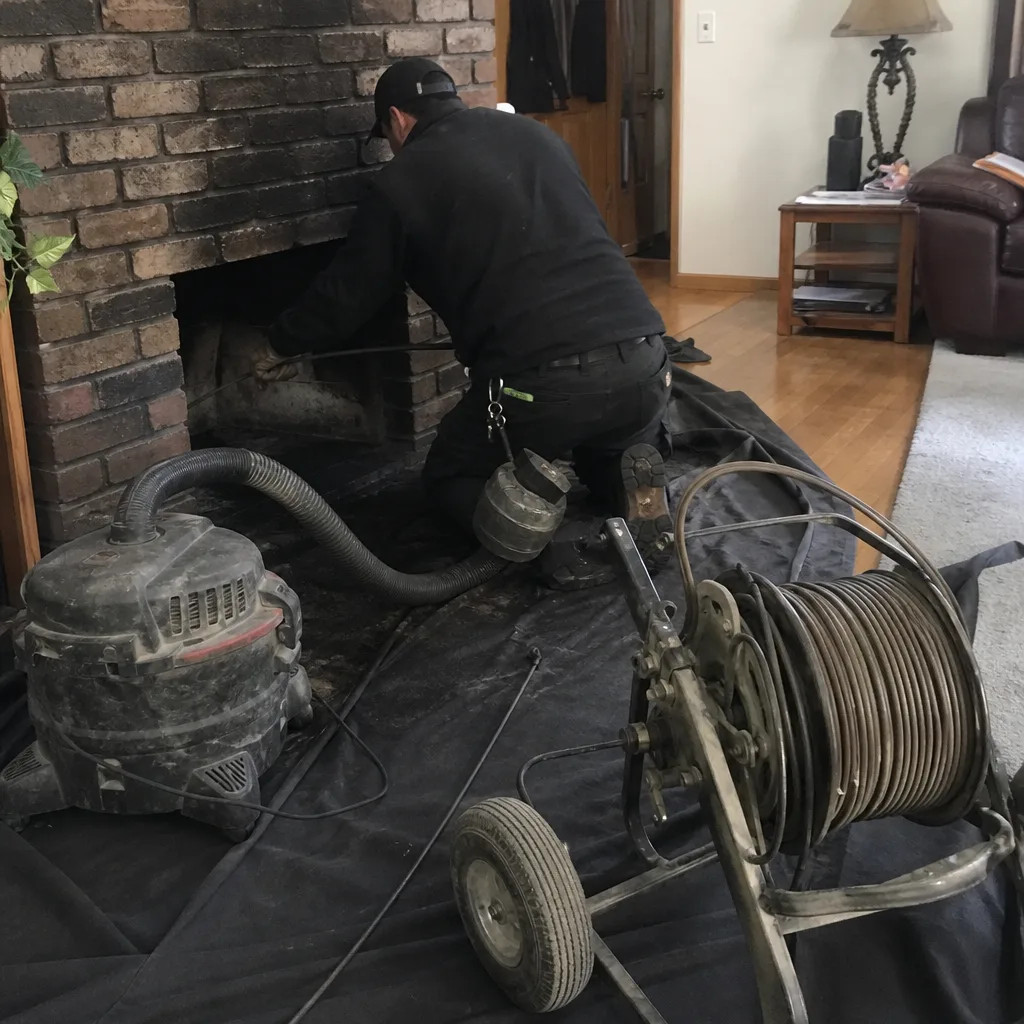 Before
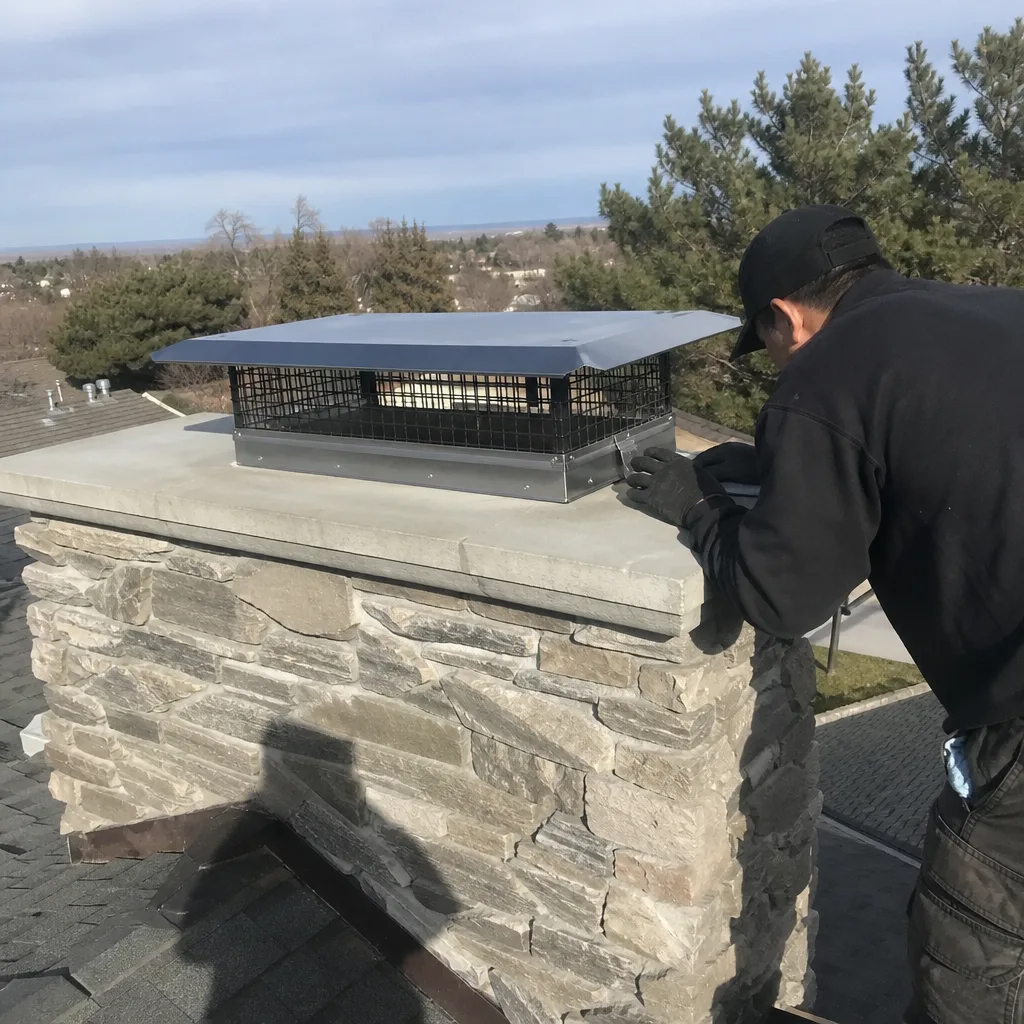 After
After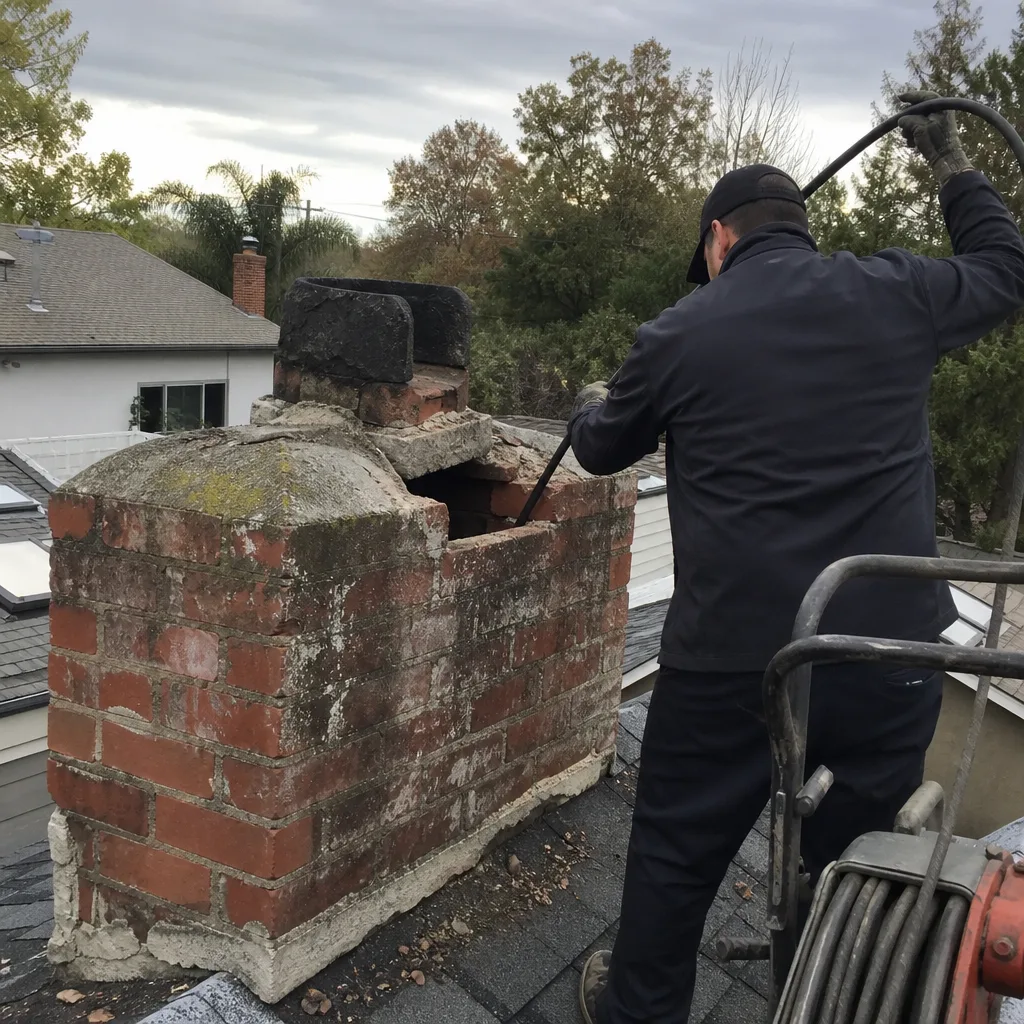 Before
 After
After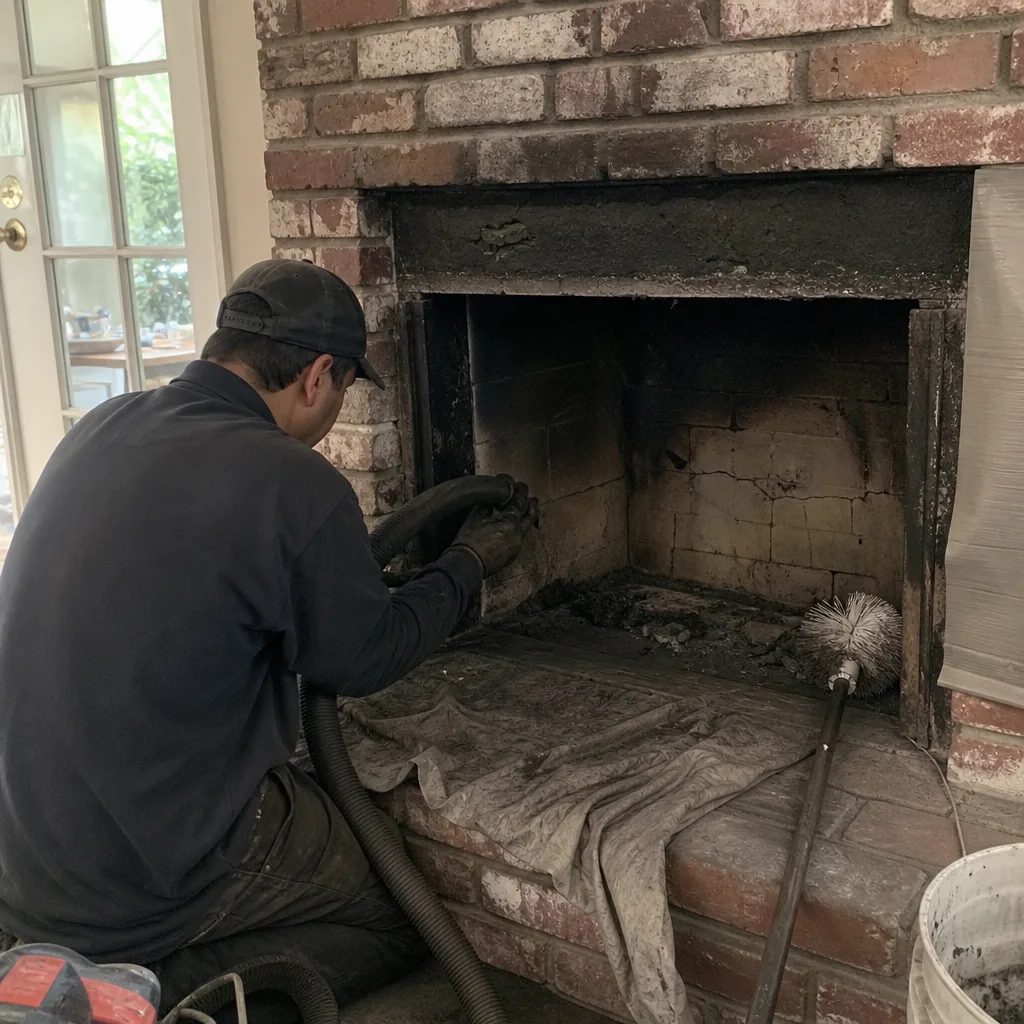 Before
 After
After