
Last updated October 15, 2026
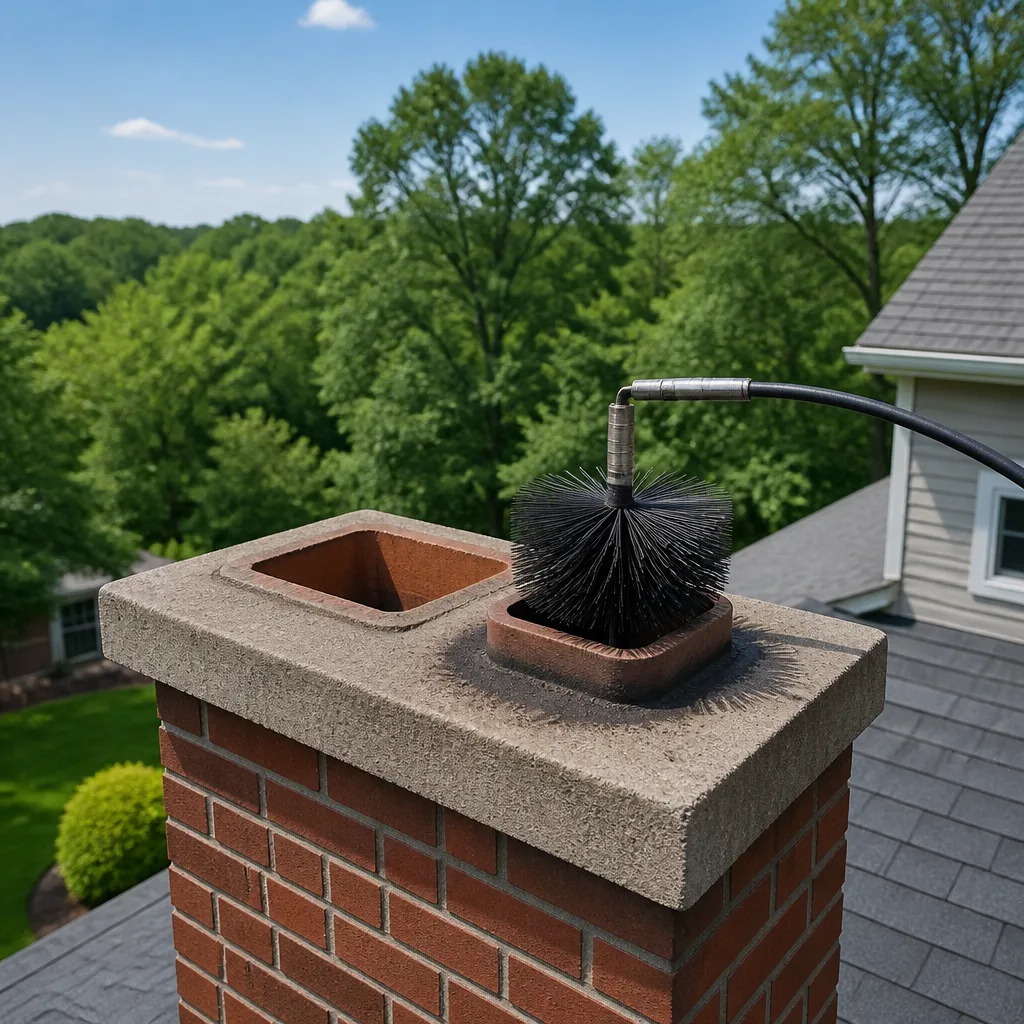 Sweep & inspection
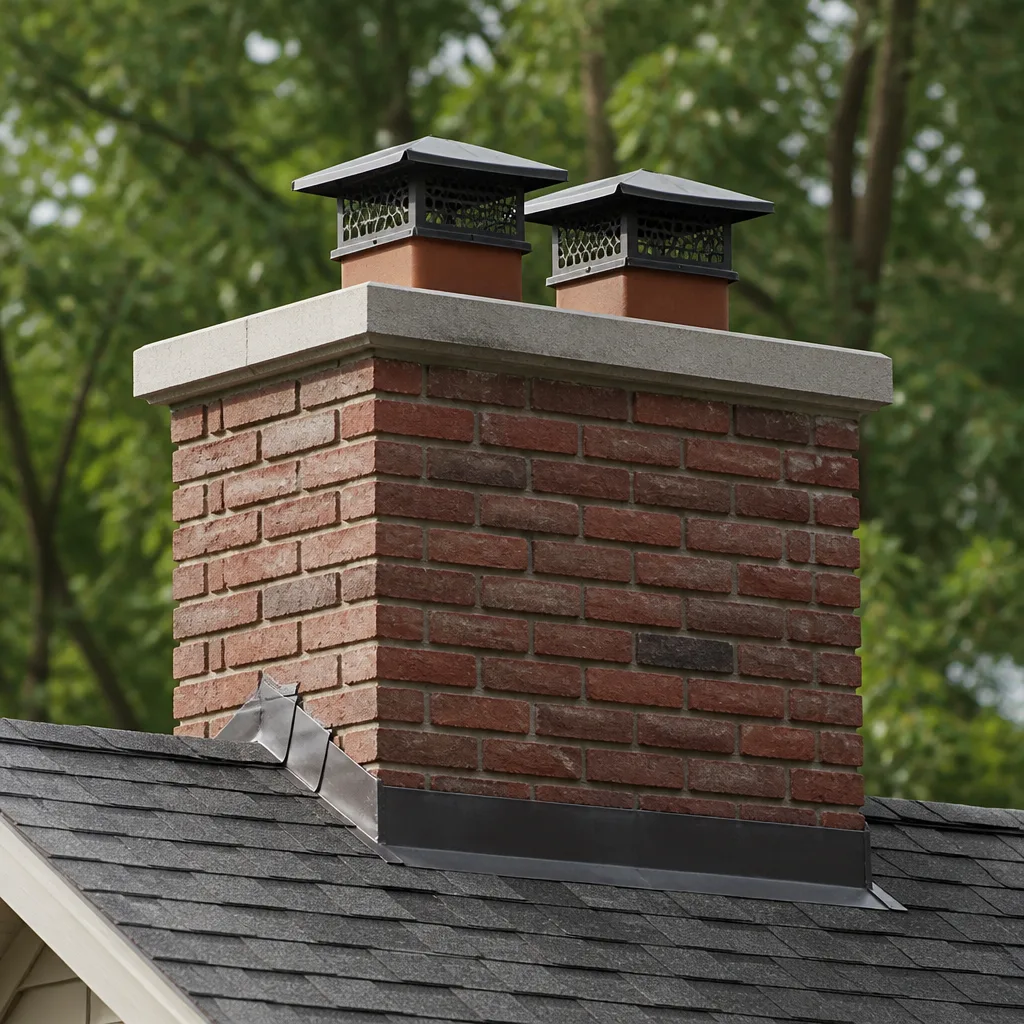 Caps & crowns
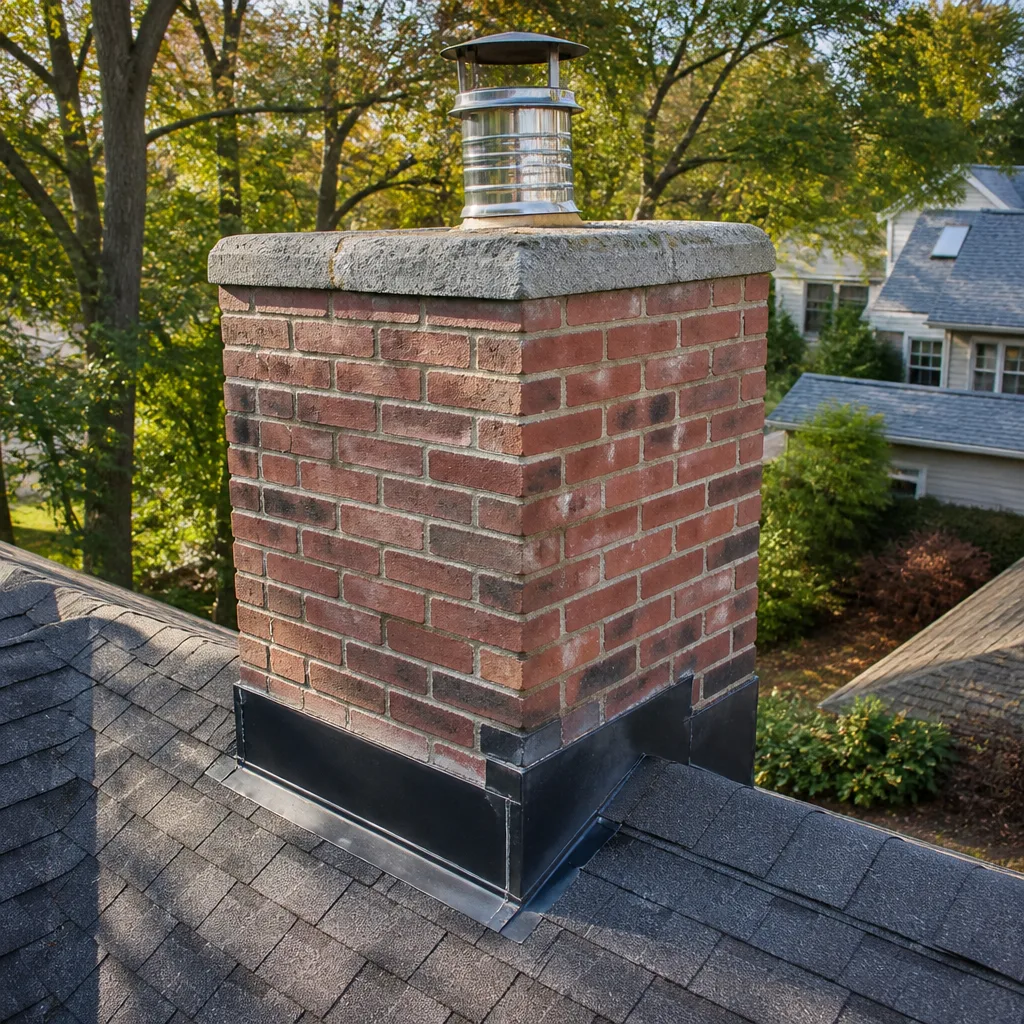 Flue relining
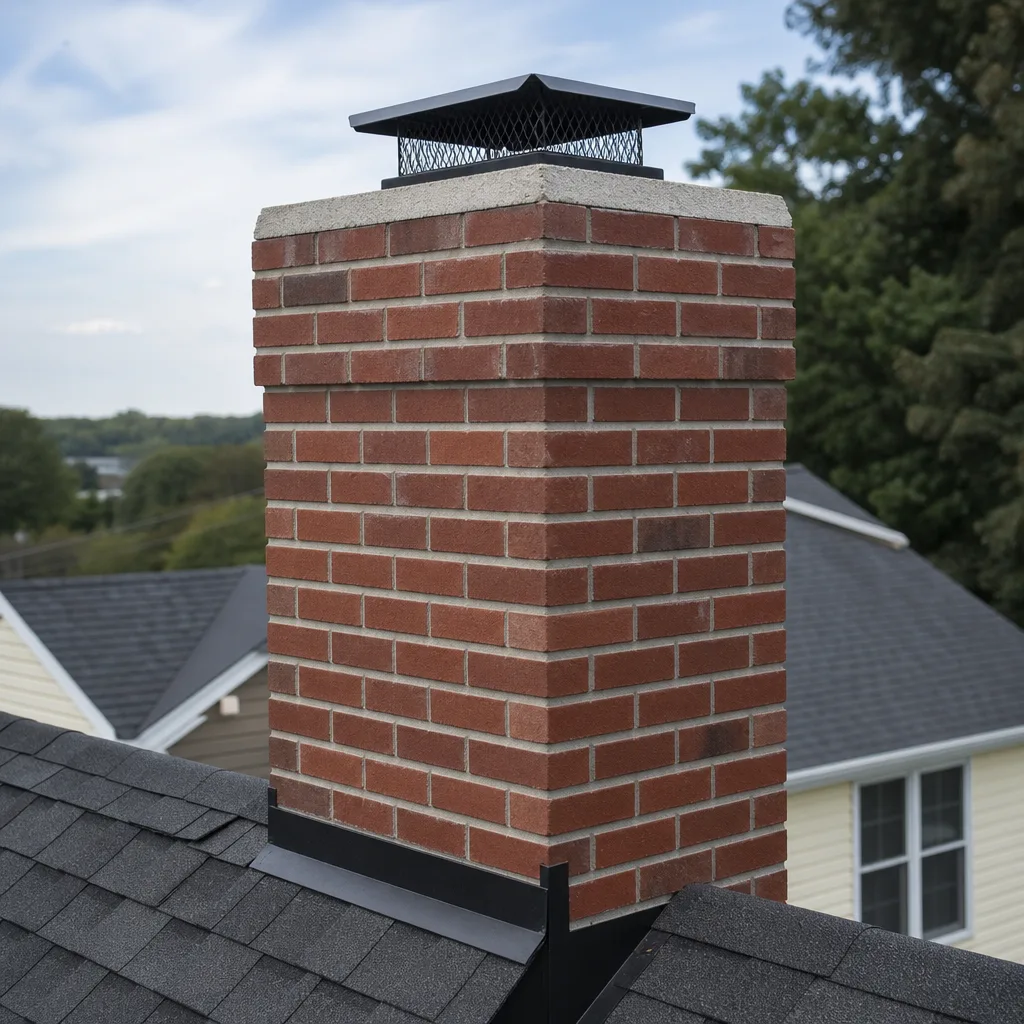 Masonry repair
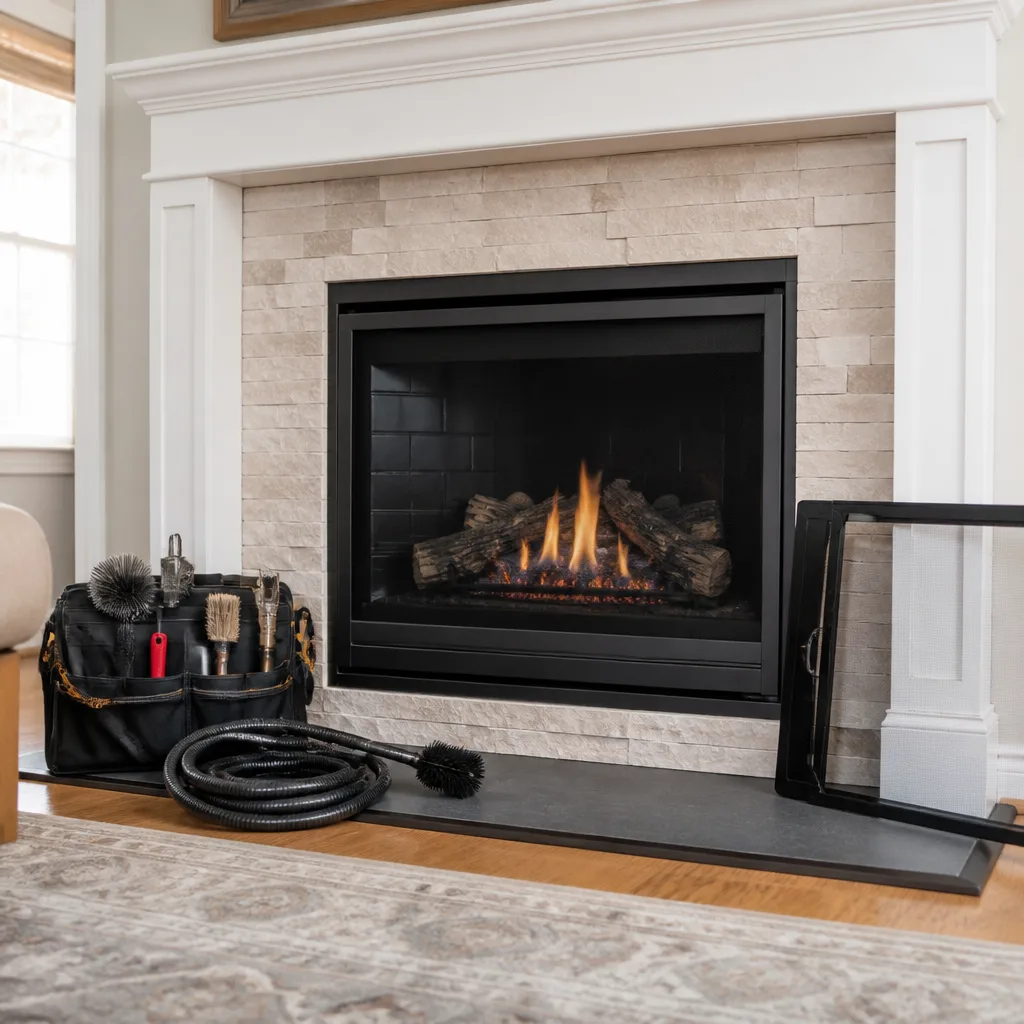 Gas fireplace service
Level 1 sweep and inspection to the NFPA 211 annual standard - flue, crown, cap, and flashing checked and photographed
Chimney sweep logs do not sweep chimneys. They loosen some creosote - which then falls where a brush and vacuum still have to collect it.
Seasonal Chimney Cleaning Care for San Jose: Year-Round Homeowner’s Guide
Every national chimney guide tells you the same thing: schedule your sweep in early fall. In San Jose, that advice is not just wrong, it’s expensive. Our burn season doesn’t start when the first frost hits Vermont. It starts when the fog rolls in off the Santa Cruz Mountains and the evening temperature drops below 50, which can be anywhere from late October to Thanksgiving. By the time most San Jose homeowners think about their fireplace, the fall rush has already peaked, and the sweeps with open calendars are usually the ones you didn’t want in your home anyway. This guide explains the actual San Jose chimney calendar: when to clean, what to do between cleanings, and why the off-season matters more than the burn season. For more guides & resources, see our blog.
Quick Answer
The best time to clean a chimney in San Jose is late winter or early spring, right after the burn season ends, not in the fall. Cleaning in February through April removes creosote before it sits in a damp off-season, and you’ll skip the fall rush entirely. For most San Jose homes, an annual sweep paired with a Level 1 inspection is the right baseline, adjusted for how often you burn and whether you follow Spare the Air restrictions.
Styles & brands we work with
Table of Contents
- What the San Jose Burn Season Actually Looks Like
- Why Fall Cleaning Is the Worst Advice for San Jose
- The Best Time to Sweep a Chimney in San Jose
- What Creosote Does During the Wet Off-Season
- Summer Tasks That Protect Your Chimney Without a Sweep
- How Spare the Air Days Should Change Your Burn Habits
- Shoulder Season Fires: October and March
- A Month-by-Month Chimney Task List for San Jose
What the San Jose Burn Season Actually Looks Like
San Jose’s fireplace season runs roughly from late October through early March, but it’s not a solid block of burning. It comes in waves. The first real wave hits when the time changes and the evening chill sets in. The second wave comes with the December rains, when the damp makes a fire feel necessary even if the thermometer says 55. Then there’s a long, inconsistent tail through January and February, where you might burn three nights one week and not touch the fireplace for the next two weeks.
What this means for your chimney is that the total number of fires per season in San Jose is lower than in colder climates, but the moisture exposure is higher. That combination matters more than most homeowners realize. Creosote that forms during a few months of intermittent burning, then sits through a damp spring, behaves differently than creosote that burns off or gets swept before the wet months. We’ll get into that in a moment.
For context, most San Jose homes with a wood-burning fireplace see between 30 and 60 fires per season. Homes in the East Foothills and Almaden Valley tend toward the higher end because those areas cool down faster at night. Homes in the downtown core, where central heating is more common, often see fewer fires but longer intervals between cleanings, which brings its own set of problems.
Why Fall Cleaning Is the Worst Advice for San Jose
Let’s be direct: the “clean in early fall” advice was written for climates where burning starts in September and runs hard through April. If you’re unsure whether your chimney shows chimney cleaning warning signs, don’t wait until fall to find out. In San Jose, early fall is still fire season for wildfires, not fireplaces. The first Spare the Air day of the fireplace season often lands before the first genuinely cold night, which means even a clean chimney sits unused for weeks.
But the bigger issue is the bottleneck. When every homeowner in San Jose calls for a sweep in October, the reputable companies book out weeks in advance. Homeowners who call late end up either waiting until December to get a fire going, or they go with whoever has an open slot on short notice. In our experience, the companies with wide-open fall calendars are open for a reason. A good chimney sweep in San Jose stays busy from October through January. If someone can show up tomorrow in mid-November, that should tell you something.
The math is simple. If you clean in late winter or early spring, you’re calling when demand is low. You get your choice of appointment times, the technician isn’t rushing to the next job, and you have the entire off-season to handle any repairs that the sweep uncovers, before the next burn season starts. You’re not scrambling to get a liner replaced in the three weeks between discovering it’s cracked and the first night you want a fire.
The Best Time to Sweep a Chimney in San Jose
Late February through April is the optimal window for a chimney sweep in San Jose. Here’s why.
First, the burn season is over or nearly over, so the creosote that accumulated during the winter is at its peak and ready to be removed. You’re not cleaning a chimney that will immediately start accumulating creosote again. You’re cleaning one that will sit clean for six to eight months.
Second, the dry season is about to start. San Jose gets nearly all of its rain between November and March. If you sweep in late February or March, you remove the creosote before it spends a damp spring absorbing moisture from the air. If you wait until fall, you’re leaving that creosote in place through the entire wet season, which changes its chemistry and makes it harder to remove.
Third, spring scheduling is wide open. You can pick the day and time that works for you, and the technician can take the time to do a thorough job, including a full inspection, without the pressure of a packed schedule.
One caveat: if you use your fireplace heavily, more than 50 fires per season, you may need a second sweep mid-season. That’s rare in San Jose, but it happens in homes where the fireplace is the primary heat source. If you’re unsure, a quick visual check with a flashlight can help: if you see more than 1/8 inch of black, crusty buildup on the flue walls, schedule a sweep.
What Creosote Does During the Wet Off-Season
Here’s something most chimney guides don’t tell you: creosote is hygroscopic. It absorbs moisture from the air. In San Jose, where the winter and spring months bring humidity levels that spike during rainstorms, creosote left inside a flue will pull water right out of the air.
That moisture does three things. It makes the creosote sticky and tar-like, which means it’s harder to remove when you finally do sweep. It creates a damp environment inside the flue that corrodes steel liners and erodes the mortar between clay tiles. And, in some cases, it produces a smell that drifts down into the living room on warm days, which homeowners often mistake for a dead animal or a plumbing issue.
We’ve seen this play out in Willow Glen and Rose Garden homes, where fireplace odor complaints peak in March and April, not in January. The homeowner thinks something died in the chimney. What actually happened is damp creosote off-gassing into the home. The fix is a thorough sweep and, in some cases, a chimney cap inspection to make sure water isn’t entering from the top.
For homes with a stainless steel liner, such as those from DuraFlex or Olympia Chimney, the risk is different. Stainless liners resist corrosion, but acidic creosote combined with moisture can still attack the welds and seams over time. The liner itself won’t rust through the way an old clay tile might crack, but the connections can weaken. That’s why even homes with modern liners need an annual inspection, not just a sweep.
Summer Tasks That Protect Your Chimney Without a Sweep
Summer in San Jose is dry and hot, which makes it the ideal time for visual inspections and small maintenance tasks that don’t require a full sweep. These are things you can do yourself in 20 minutes, and they’ll catch most of the problems that turn into expensive repairs.
Here’s a simple summer checklist:
- Look at the chimney cap. From the ground, check that the cap is still in place and not tilted. A missing or damaged cap is an open invitation to birds, squirrels, and rain. San Jose has a healthy squirrel population, especially in neighborhoods with mature trees like Cambrian and Willow Glen.
- Check the mortar crown. The crown is the concrete slab that seals the top of the chimney. Over time, it cracks. In the summer heat, small cracks expand and contract, letting water in. Look for visible cracks or chunks missing from the top edge of the chimney.
- Peer up the flue with a flashlight. From inside the firebox, open the damper and look up. You’re checking for obvious obstructions: nests, debris, or a damper that won’t open fully. If you see anything blocking the flue, don’t light a fire until it’s been cleared by a professional.
- Check the firebox walls. Look for cracked bricks, missing mortar, or white water stains, which indicate moisture has been getting in. Water stains in a San Jose summer are a sign that winter rain found a way into your chimney.
- Walk around the exterior. Check for spalling brick, which is when the face of the brick flakes off. You’ll see red dust or thin shards of brick on the ground near the chimney base. That’s moisture damage, and it worsens with every freeze-thaw cycle, even in a mild climate like San Jose’s.
None of these tasks require a ladder or special tools. If you spot something that looks off, take photos and have a chimney professional look at them before the fall rush.
How Spare the Air Days Should Change Your Burn Habits
The Bay Area Air Quality Management District, or BAAQMD, issues Spare the Air alerts when conditions trap smoke close to the ground. Before you burn, check our guide to Chimney Cleaning Permits, Codes & Inspections in CA to stay compliant. In San Jose, these alerts are most common in the winter months, when high pressure systems create a temperature inversion that keeps wood smoke from dispersing. The same valley geography that makes San Jose warm during the day also traps smoke at night.
During a Spare the Air alert, burning wood in your fireplace is prohibited unless it’s your only source of heat. That applies across all of Santa Clara County, and it’s enforced. Fines start at $100 for a first violation, and BAAQMD does respond to complaints from neighbors.
What does this mean for your chimney cleaning schedule? Two things.
First, if you follow Spare the Air rules, you’re burning less than you might otherwise. That means your creosote accumulation may be lower per season, but it also means you’re more likely to have a chimney that goes a full season without a cleaning and then sits through the wet spring. That’s the exact scenario where off-season creosote damage happens.
Second, if you’re in a neighborhood with tight lot spacing, like Japantown or parts of West San Jose, smoke complaints are more common, which means Spare the Air enforcement is more aggressive. A chimney that produces heavy smoke, whether from wet wood or creosote buildup, draws attention. Keeping the flue clean and burning dry, seasoned wood reduces visible smoke and reduces the chance of a knock on the door.
The practical takeaway: don’t assume that fewer fires means you can skip a year. The cleaning interval is about what happens to the creosote between cleanings, not just how much accumulates.
Shoulder Season Fires: October and March
The shoulder season fires are the ones that catch San Jose homeowners off guard. In October, the first cool evening rolls in and everyone wants a fire. But if the chimney hasn’t been swept since last spring, whatever creosote was left behind is now dry and brittle from the summer heat, which actually makes it easier to remove, but also means it’s been sitting in the flue for six months. If there are any cracks or gaps that opened up over the summer, that first fire is when they’ll show themselves.
The bigger issue is the March shoulder. By late March, many San Jose homeowners have decided the burn season is over, and they stop thinking about the fireplace. Then a cold snap rolls in off the Pacific, the temperature drops to 40, and suddenly the fireplace is back in service. If the chimney is due for a sweep, that March fire is the one that burns through a winter’s worth of creosote buildup.
Creosote doesn’t need to be thick to be dangerous. A quarter-inch of creosote in a flue is enough to sustain a chimney fire, and a chimney fire in March, when the fire department is already dealing with the start of wildfire season, is the last thing anyone wants. The fix is simple: if you burn in October, make sure the chimney was swept the previous spring or early summer. If you burn in March, and the chimney wasn’t swept before the burn season, get it swept before that fire.
We’ve also seen a pattern in San Jose where homeowners who skip the spring sweep end up with a March surprise: they light a fire, and within minutes, the living room fills with smoke. The damper’s fine. The flue is blocked. What happened is that a bird or a squirrel built a nest in the chimney during the fall, before the burn season really started, and the nest has been sitting there all winter. The first fire ignites it or pushes smoke back into the house.
A Month-by-Month Chimney Task List for San Jose
Here’s a month-by-month schedule designed for San Jose’s actual climate, not a generic four-season template. Use it as a baseline and adjust based on how often you burn.
January
Peak burn season. If you’re burning regularly, keep an eye on smoke behavior. Heavy smoke, a smelly fire, or a fire that’s hard to start are all signs of creosote buildup or a flue obstruction. If you notice any of these, stop burning and schedule a sweep.
February
Burn season is winding down. This is a good time to book your spring sweep. You’ll beat the April rush, which is the second-busiest time of year for chimney sweeps in San Jose after the fall.
March
Get the sweep done. If you haven’t booked it yet, do it now. After the sweep, have the technician do a Level 1 chimney inspection, which covers the accessible portions of the flue, damper, and firebox. If repairs are needed, you now have the entire spring and summer to handle them.
April
Repair season. If the inspection turned up a cracked flue liner, damaged damper, or deteriorated mortar crown, schedule the repair now. Chimney repair in San Jose is much easier to schedule in April than in November, and you’ll have the work done long before the first fire of the next season. For a detailed look at pricing, see our Chimney Cleaning Cost Breakdown: The San Jose Homeowner’s Reference for 2026.
May
Visual check. After any repairs are completed, do a quick visual inspection of the chimney exterior. Look for cracked brick, loose mortar, or signs of water damage. Take photos if anything looks off.
June
Cap check. Inspect the chimney cap from the ground. If it’s missing, damaged, or shifted, replace it. A proper cap costs a fraction of what it costs to remove a squirrel nest or repair water damage inside the flue.
July
July is hot and dry in San Jose, which makes it the perfect time to have any masonry work done. Mortar and concrete cure better in warm, dry conditions. If you noticed cracked brick in May, get it repointed in July.
August
Damper test. Open and close the damper a few times. It should move smoothly and seal completely when closed. A stuck or loose damper is a quick fix in August and a frustrating discovery on the first cold night of November.
September
Wood check. If you buy firewood for the season, now’s the time. Look for wood that’s been seasoned for at least 6 to 12 months. The moisture content should be below 20%. In San Jose, where the summer is dry, local oak and almond wood often seasons well, but only if it’s been split and stacked properly.
October
First fire check. Before your first fire of the season, do a quick visual inspection with a flashlight. Look up the flue for obstructions, and check the firebox for cracks or debris. If anything looks off, call a professional before lighting a fire. If everything looks clear, your first fire should be a clean one, if the chimney was swept the previous spring.
November
Burn season starts in earnest. If you followed the spring sweep schedule, you’re good. If you didn’t, and you’ve been burning for a few weeks already, be alert for smoke behavior changes. A chimney that starts fine but gets smokier over time is accumulating creosote.
December
Peak burn season again. Monitor Spare the Air alerts, and follow the rules. Your chimney should be in good shape from the spring sweep or the October visual check. If you notice any issues, address them before the January holiday fires.
Common Mistakes to Avoid
- Waiting until fall to book a sweep. In San Jose, the fall rush starts in late September. By mid-October, reputable companies are booked for weeks. Book in February or March and skip the rush entirely.
- Skipping a year because you didn’t burn much. Even light burning produces creosote, and that creosote sits in your flue through the damp spring months. The damage is cumulative, not proportional to how many fires you had.
- Burning unseasoned wood. Wet or green wood produces more smoke and more creosote. In San Jose, where the burn season is already short, burning wet wood means every fire contributes more creosote than it should.
- Ignoring Spare the Air restrictions. Burning during an alert is illegal and enforced. It also creates heavy smoke that draws attention from neighbors. A clean chimney and dry wood make a big difference in visible emissions.
- Not checking the chimney cap. A missing or damaged cap is the leading cause of animal intrusions and water damage in San Jose chimneys. A new cap is cheap insurance.
- Assuming a stainless liner means no maintenance. Stainless liners from brands like DuraFlex and Olympia Chimney resist corrosion, but they still need annual inspection. The seams and connections are the vulnerable points.
- Lighting a fire in March without checking the flue. That final cold-snap fire catches more San Jose homeowners off guard than any other fire of the season. A quick flashlight check costs nothing and takes 30 seconds.
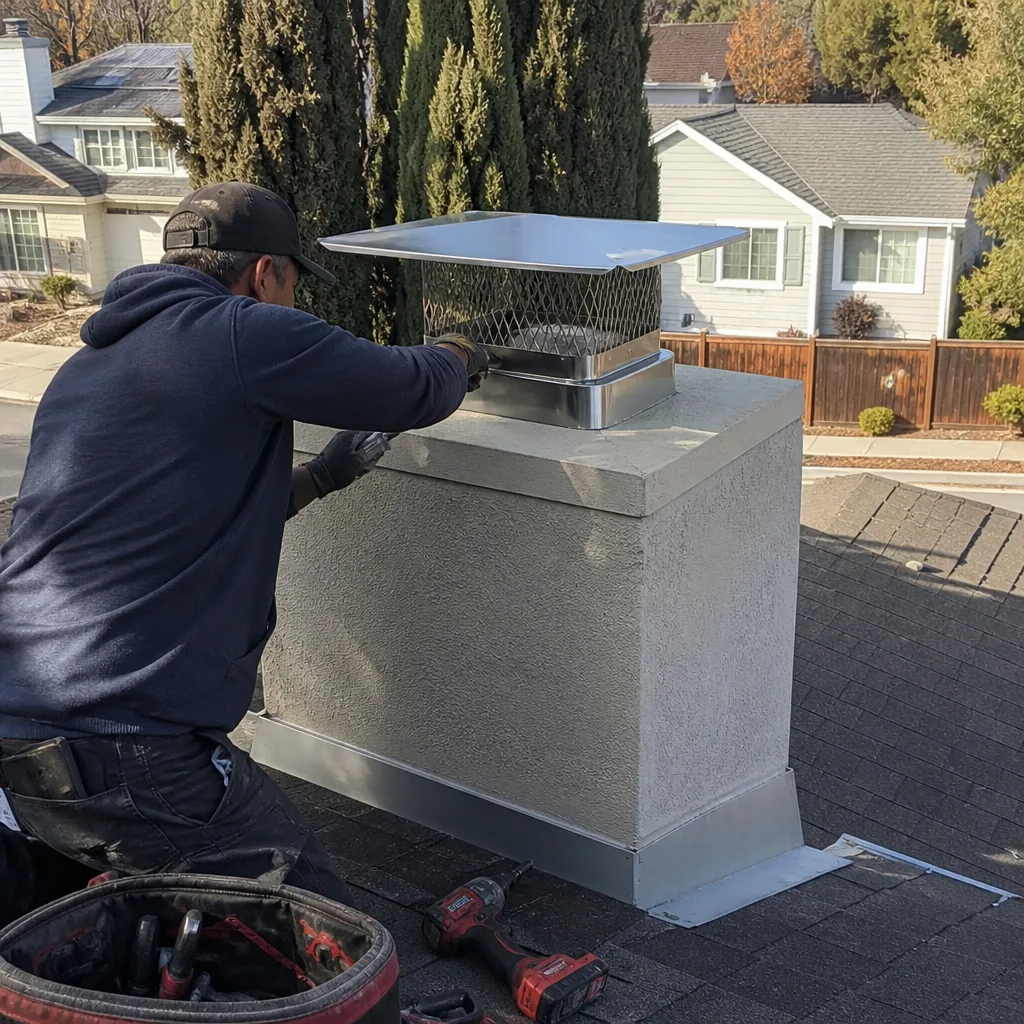
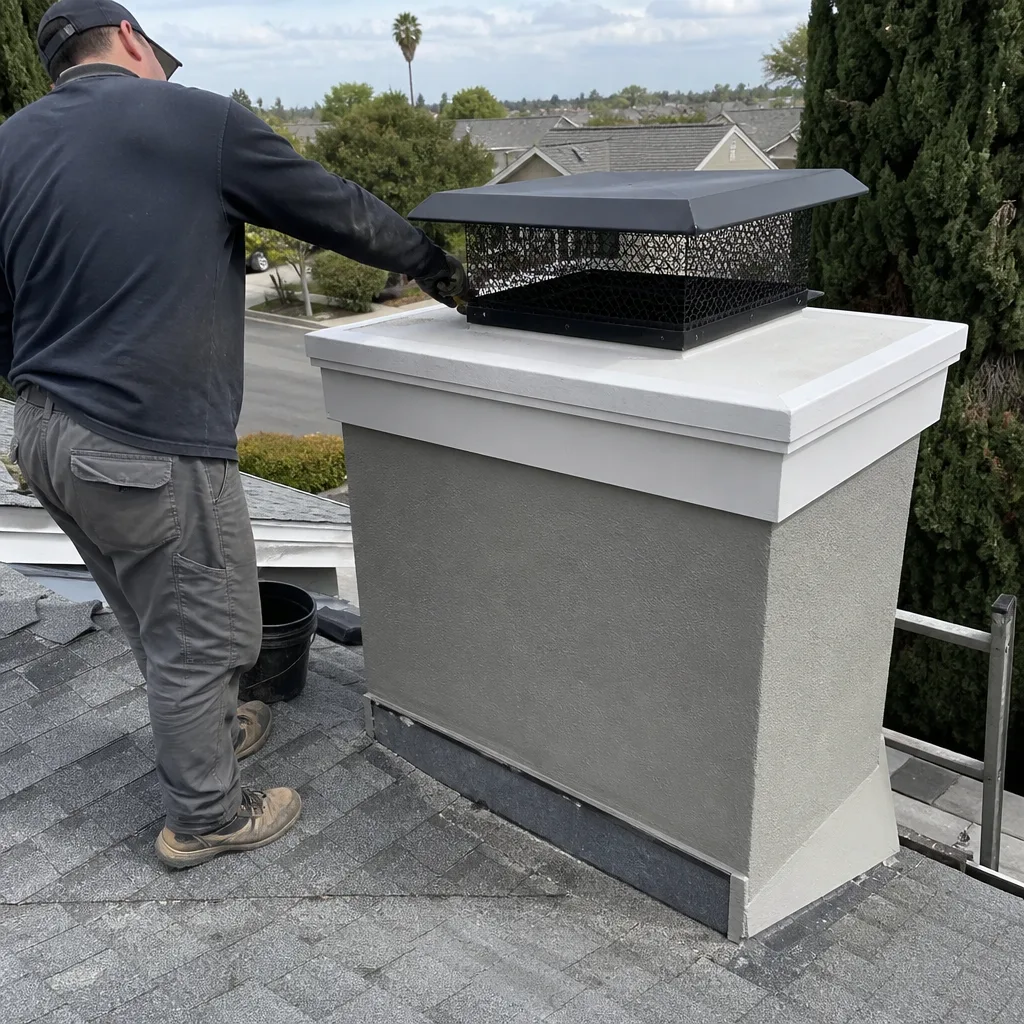
See the difference
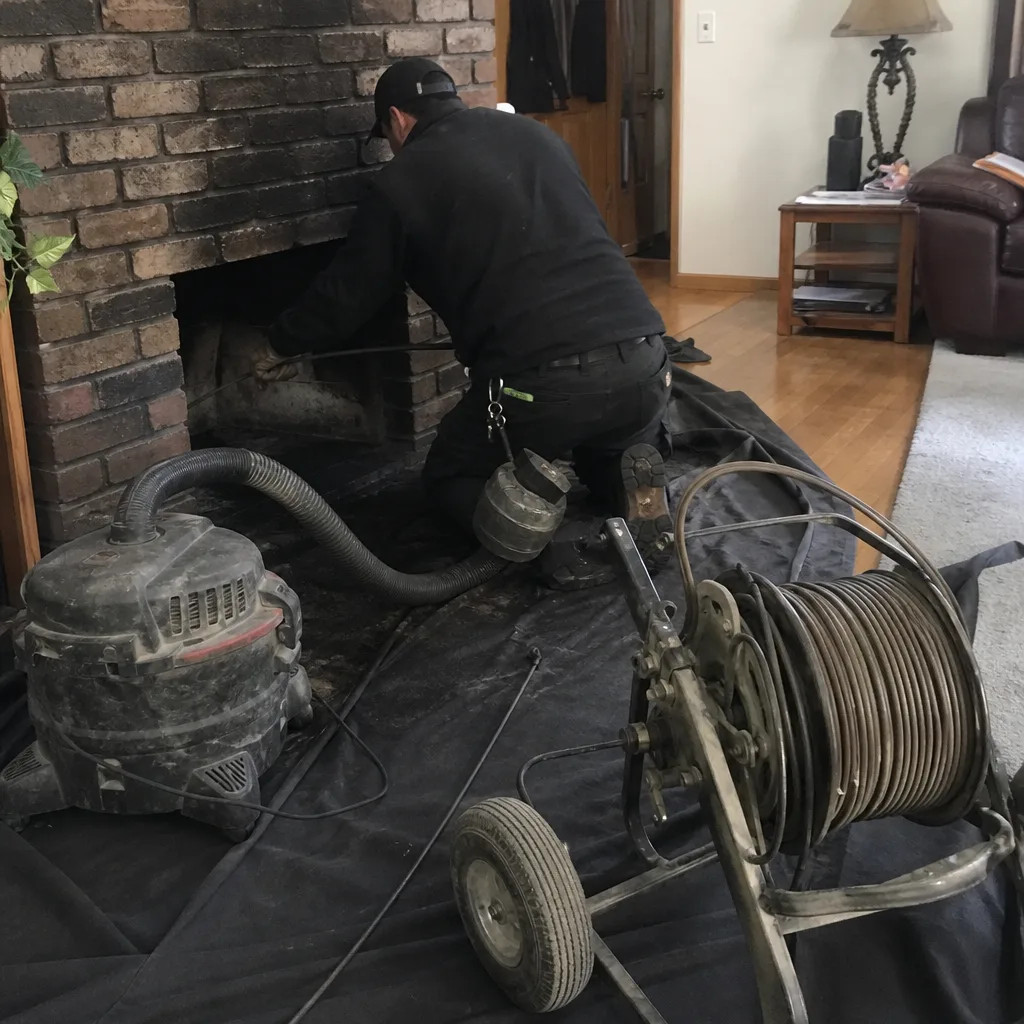 Before
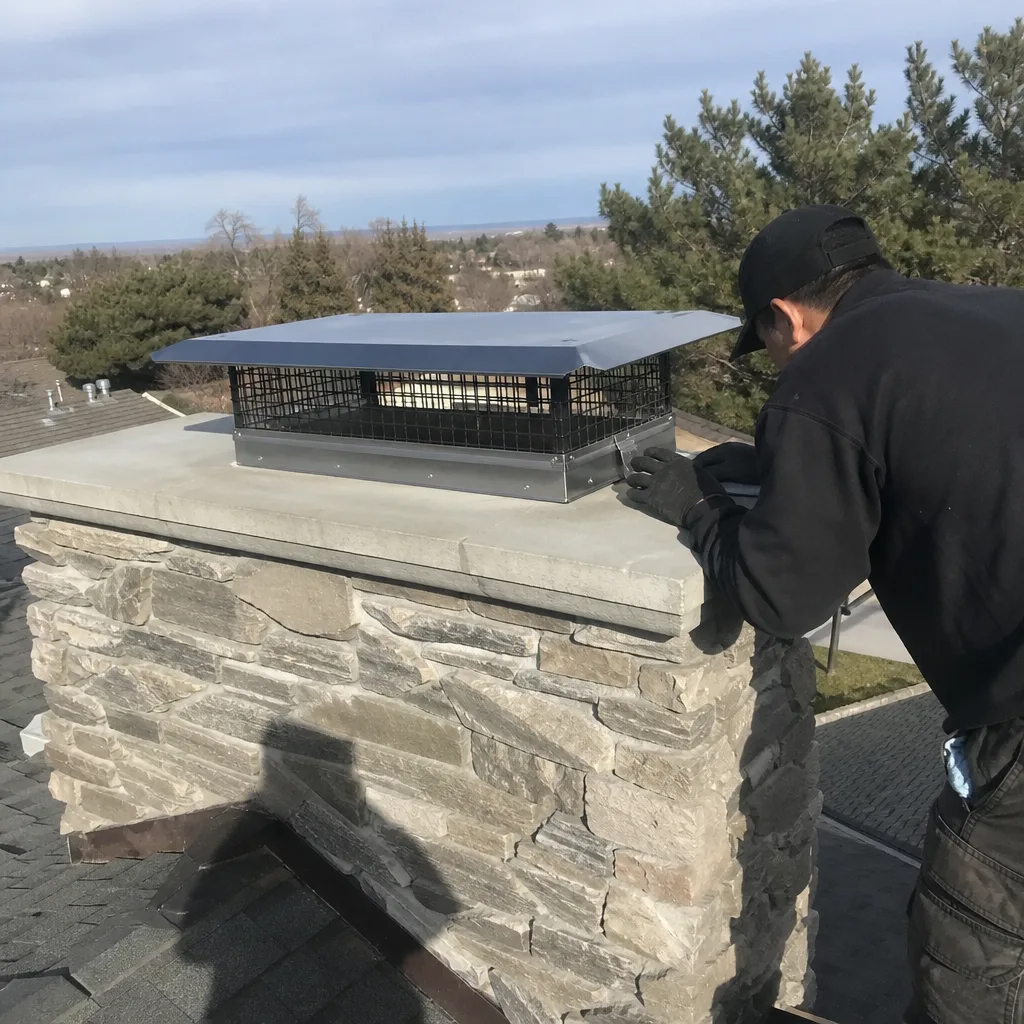 After
After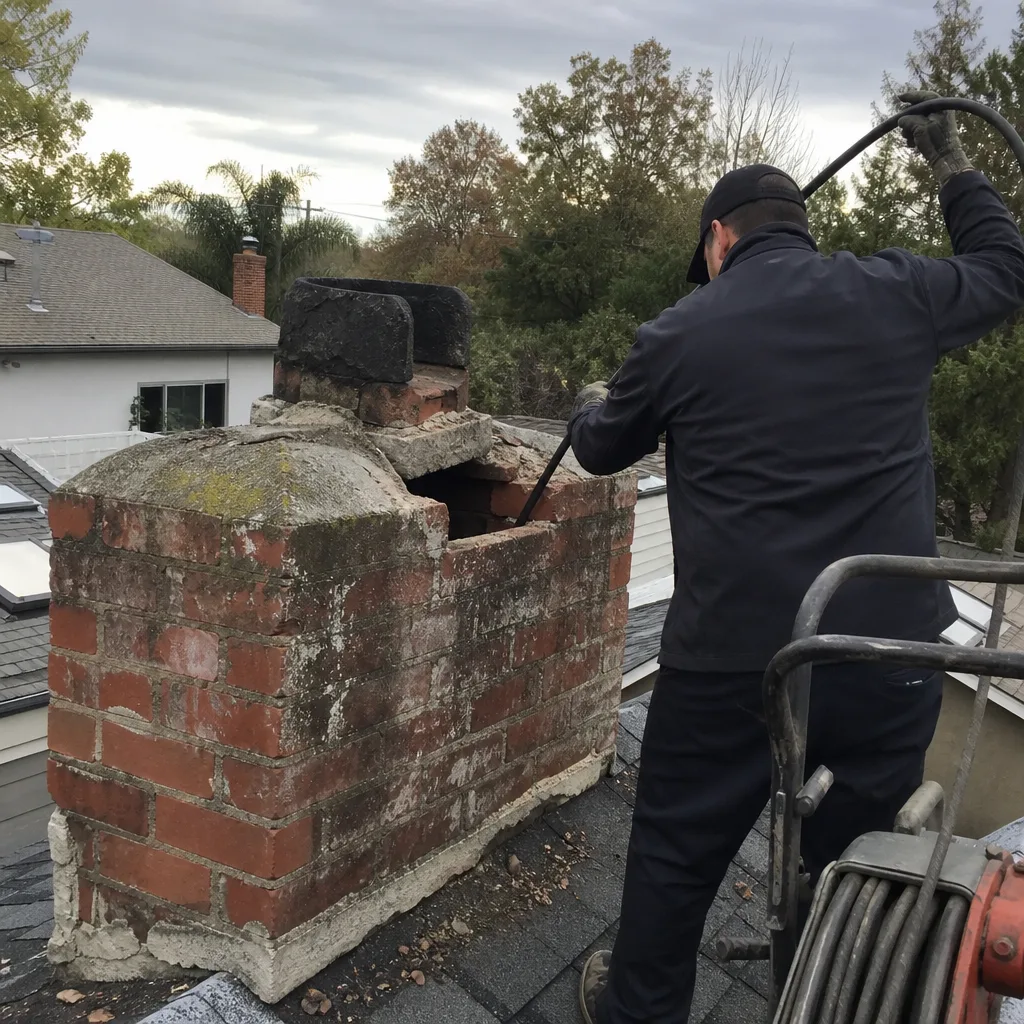 Before
 After
After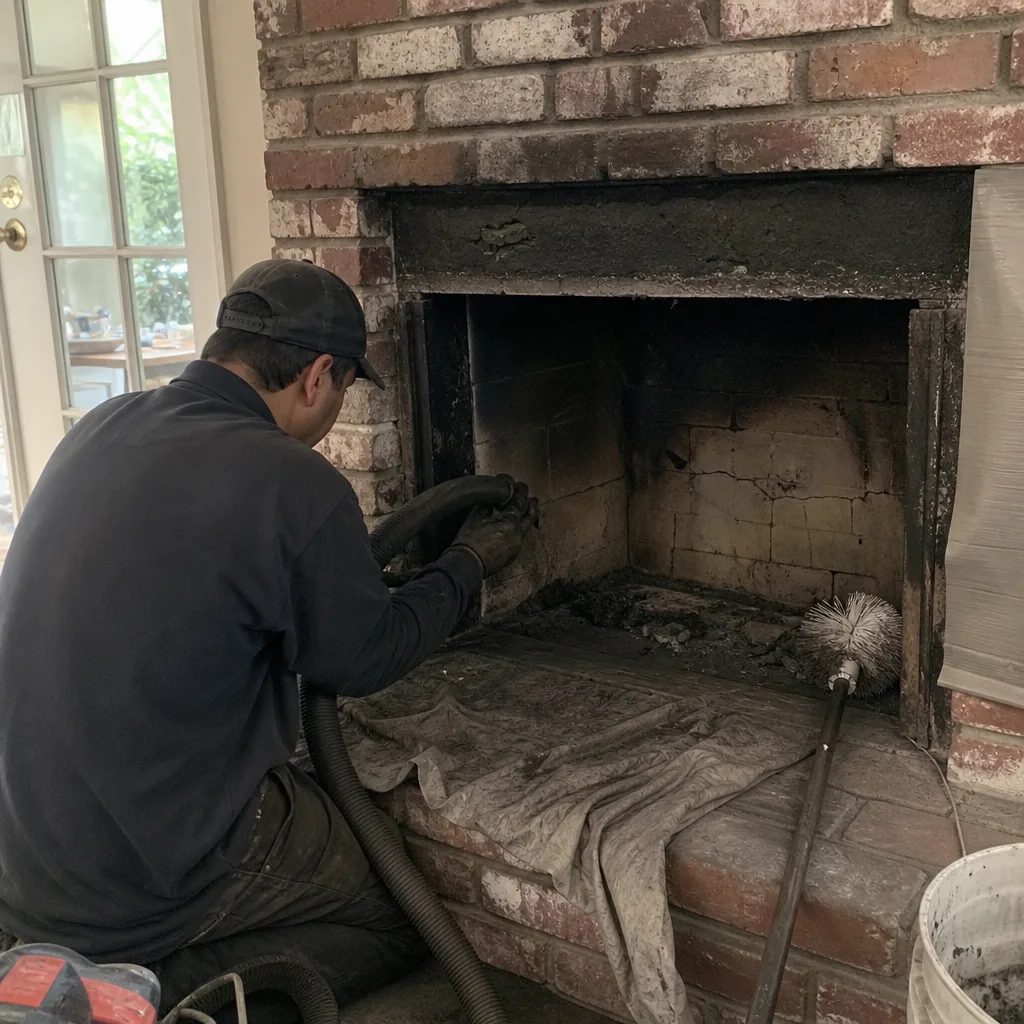 Before
 After
AfterWhen to Call a Professional
Some chimney tasks are safe to handle yourself, and others aren’t. If you see visible creosote buildup of more than 1/8 inch, if you notice smoke entering the room, if you hear animals in the chimney, or if you see water stains on the firebox walls, it’s time to call a professional. Likewise, if your chimney hasn’t been inspected in more than a year, schedule an inspection even if you don’t think you need a sweep. Ashby Chimney San Jose offers free estimates in San Jose, and we’ll give you a written price before any work starts. Call (669) 266-5073 to talk to a live person, any time, day or night.
Frequently Asked Questions
Most chimney sweeps in San Jose run between $180 and $350, depending on the level of buildup, the height of the chimney, and whether any additional services like a cap replacement or damper repair are needed. At Ashby Chimney San Jose, we’ll give you a written price before any work starts, so the number on the invoice matches the number we quoted at the door. Call (669) 266-5073 for an exact quote, estimates are free.
Yes, though you may be able to extend the interval slightly. The problem isn’t just the amount of creosote, it’s what happens to that creosote during the wet off-season. A small amount of creosote that sits in a damp flue for six months can do more damage than a larger amount that’s removed promptly. Most San Jose homeowners who burn intermittently still benefit from an annual sweep and inspection.
The National Fire Protection Association recommends a sweep whenever creosote buildup reaches 1/8 inch, and an annual inspection regardless. For San Jose homeowners who burn 30 to 60 fires per season, an annual sweep in late winter or early spring is the standard. Homes with heavier use or older masonry chimneys may need twice-a-year attention.
Creosote builds up in layers. The first layer is flaky and easy to remove. The second layer is sticky and tar-like. The third layer is hard and glazed, and it requires specialized tools to remove. If you skip a year, you’re moving from the first stage to the second. If you skip two, you’re potentially at the glazed stage, which is the most dangerous and the most expensive to remove. A chimney fire at that stage can crack the flue liner and spread to the structure of the home. Call (669) 266-5073 if you’re unsure what you’re looking at.
No. Burning wood during a Spare the Air alert is prohibited in Santa Clara County unless your fireplace is your only source of heat. The Bay Area Air Quality Management District enforces these rules, and fines start at $100. Beyond the fine, visible smoke during an alert is more likely to draw a complaint from neighbors.
Not always. A Level 2 chimney inspection will tell you whether the crack is structural or cosmetic. Small cracks in the mortar between clay tiles can sometimes be repaired with a product like HeatShield, which is a cerfractory sealant designed for this exact purpose. Larger cracks or deterioration of the tiles themselves usually require a new liner, typically a stainless steel option from a brand like DuraFlex or Olympia Chimney. At Ashby Chimney San Jose, we’ll show you photos from the inspection camera so you can see the crack yourself before you make a decision. Nothing gets recommended without evidence you can see. Call (669) 266-5073 to schedule an inspection.
The Bottom Line
San Jose’s chimney care calendar is out of sync with the national advice, and that’s a good thing for homeowners who know it. The best time to clean your chimney is late February through April, right after the burn season ends and before the creosote sits through a damp spring. The summer is for small tasks: cap checks, mortar crown inspections, and damper testing. The fall is for waiting, because you already handled everything in the spring. If you’re behind on your chimney care, or if you’re not sure what your chimney needs, start with a sweep and a Level 1 inspection. You’ll get a written price before any work starts, a written guarantee when it’s done, and a live person on the phone whenever you call. That’s how we’ve done it in San Jose since 2002, and it’s how we’ll do it for you.
Written by Nathan Corliss, Owner at Ashby Chimney San Jose, serving San Jose since 2002.