
Last updated October 15, 2026
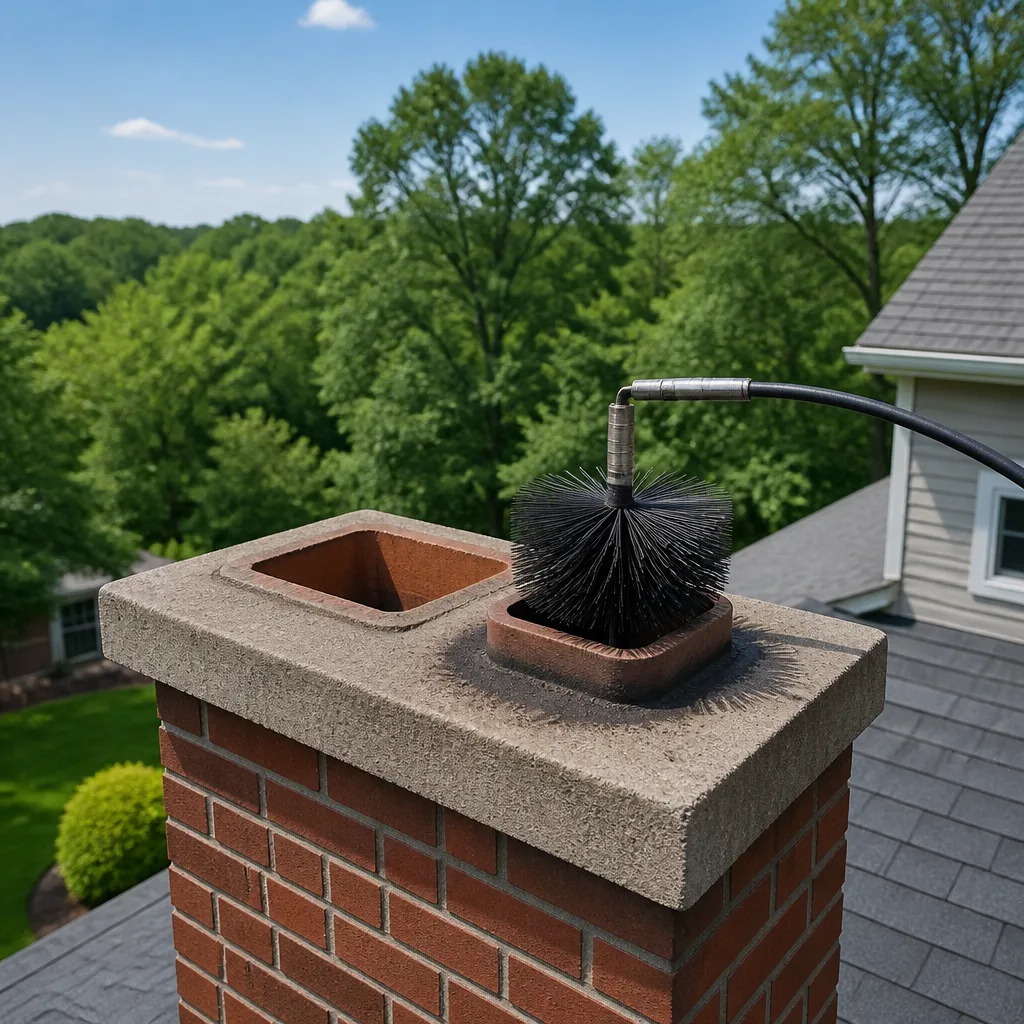 Sweep & inspection
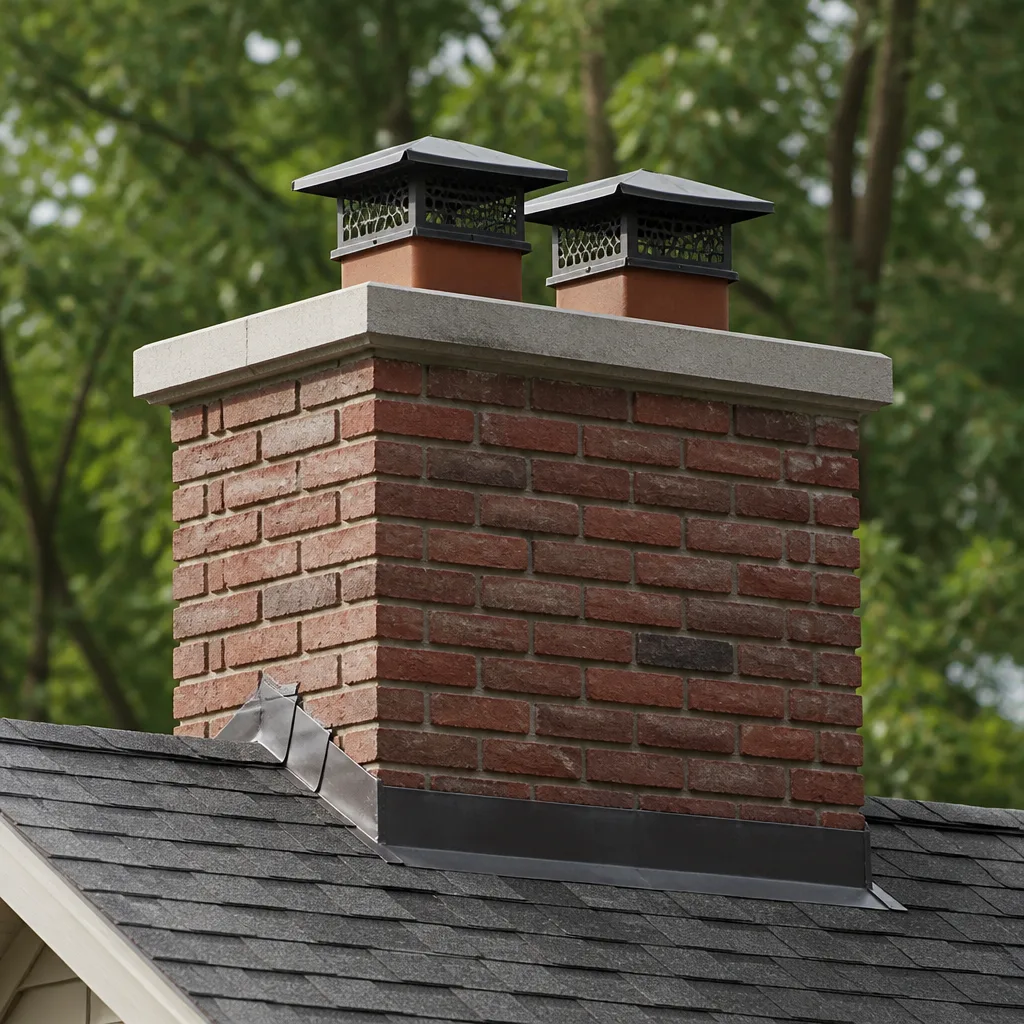 Caps & crowns
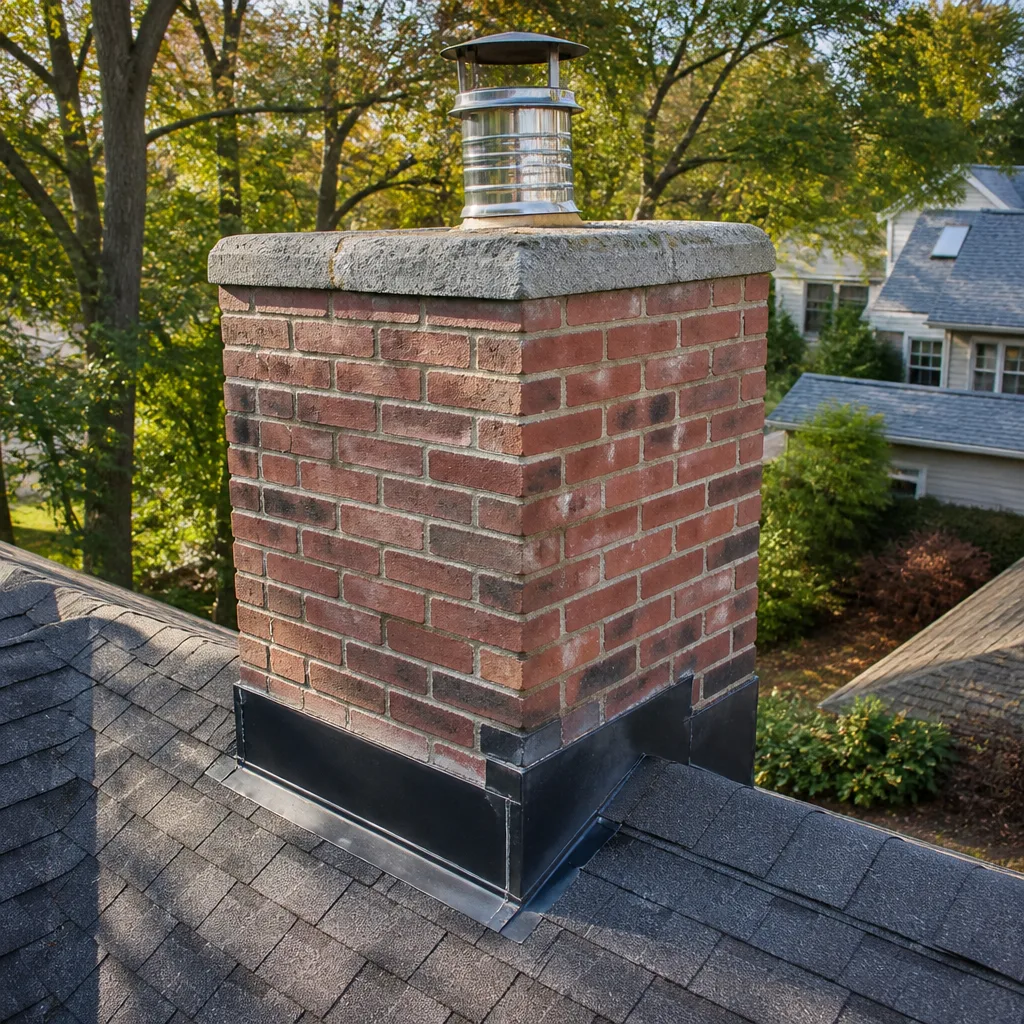 Flue relining
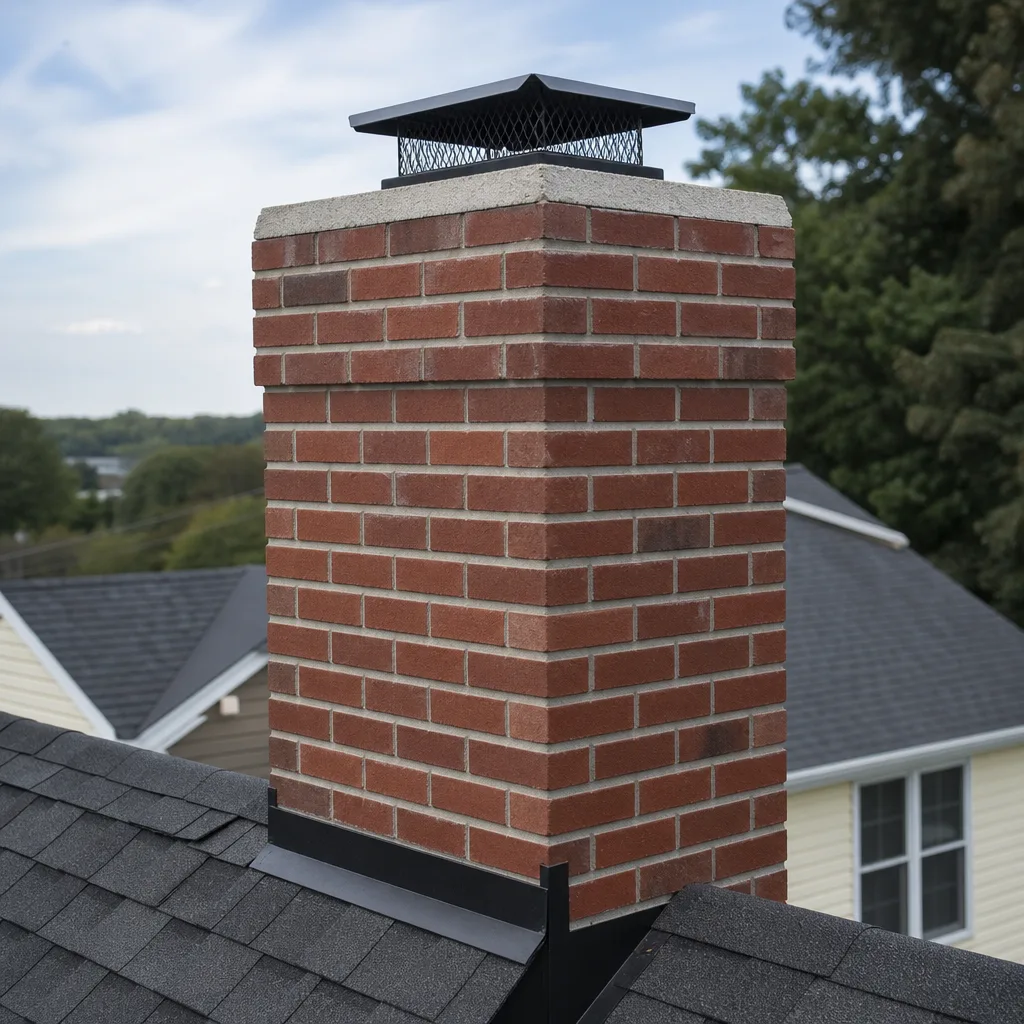 Masonry repair
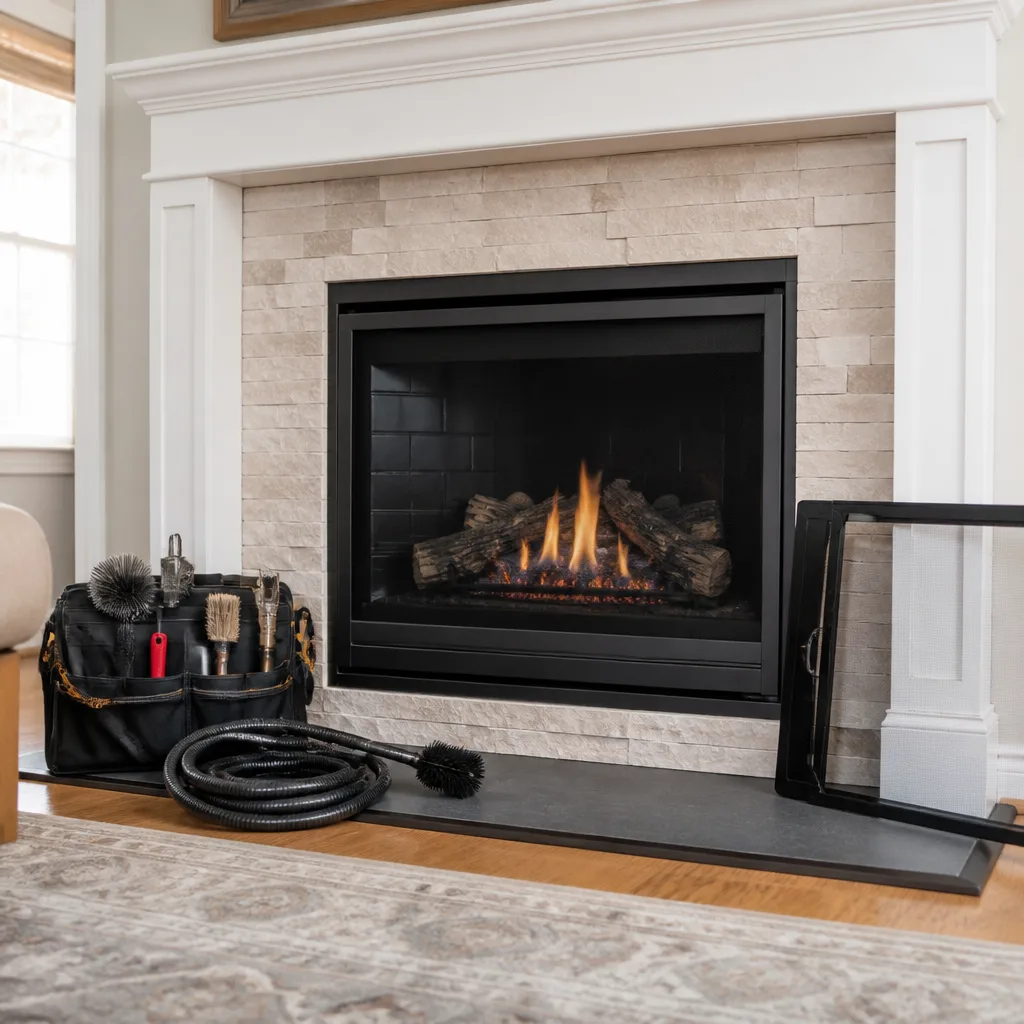 Gas fireplace service
Level 1 sweep and inspection to the NFPA 211 annual standard - flue, crown, cap, and flashing checked and photographed
Chimney sweep logs do not sweep chimneys. They loosen some creosote - which then falls where a brush and vacuum still have to collect it.
Chimney Cleaning Warning Signs: A San Jose Homeowner’s Reference Guide
Most San Jose homeowners think a dirty chimney announces itself with smoke pouring into the living room or a fire that won’t start. Those are real signs, but they’re late signs. The earlier warnings are quieter: a smell that shows up in July when the fireplace has been cold for months, a thin black dust on the mantel that returns two days after you wipe it, a fire that burns fine but sounds different than it did last winter. This guide-along with our Complete Guide to Chimney Cleaning in San Jose-walks through the seven signs we actually look for when we inspect a chimney in San Jose, which ones need immediate attention, which can wait for your next annual service, and how to tell a cleaning issue from a structural repair. You’ll also learn which “urgent” signs are usually nothing more than operating errors, like a cold flue on a winter morning.
Styles & brands we work with
Quick Answer
The most reliable warning signs that your chimney needs cleaning are a fireplace smell on a warm day when no fire has burned recently, black flaky dust (soot) falling into the firebox, a fire that struggles to draw even with the damper fully open, and a visible buildup of dark crust inside the flue. If you notice any of these, schedule a chimney sweep and inspection. A standard sweep in San Jose runs between $180 and $340, and it’s the cheapest way to prevent the expensive problems that follow neglect.
Table of Contents
- Sign 1: The Warm-Weather Fireplace Smell
- Sign 2: Soot Falling Into the Firebox
- Sign 3: A Fire That Struggles to Draw
- Sign 4: Visible Creosote Buildup
- Sign 5: The Fireplace Smokes Only on Startup
- Sign 6: Animals in or Around the Chimney
- Sign 7: You Honestly Can’t Remember the Last Sweep
- Immediate Action vs. Wait Until Your Next Annual Service
- Cleaning Problem vs. Structural Problem: Why the Distinction Matters
- Signs Commonly Misattributed to Chimney Condition
- How to Photograph and Describe a Warning Sign for a Real Estimate
- Common Mistakes to Avoid
- When to Call a Professional
- Frequently Asked Questions
- The Bottom Line
Sign 1: The Warm-Weather Fireplace Smell
Of the seven warning signs, this is the one homeowners in San Jose miss most often. Here’s why it happens. Your flue accumulates creosote and soot during burning season. When the weather warms up and humidity rises, those deposits absorb moisture from the air. That moisture releases odor molecules, and since warm air rises, the smell drifts down through the damper and into the living room. You’ll notice it most on humid days in the 70s and 80s, sometimes even with the glass doors closed. If you walk into your living room in June and catch a faint campfire smell, that’s not nostalgia. That’s your flue telling you it has deposits sitting in it.
This is a cleaning issue, not a repair issue, and it’s one of the easiest ones to fix. A standard sweep removes the creosote and soot, eliminates the smell at its source, and gives you a clean flue for the next burning season. We recommend booking this kind of sweep in the spring or early summer rather than waiting until fall. San Jose chimney companies get slammed in October and November, and you’ll have more scheduling flexibility and a shorter wait in the off-season.
Sign 2: Soot Falling Into the Firebox
Put a sheet of white paper on the floor of your firebox, close the glass doors or screen, and leave it for 48 hours with no fire burning. Then check it. If you see black flakes or a fine dark grit that wasn’t there before, that’s soot falling from the flue walls. This means the inside of your chimney has enough buildup that it’s shedding into the firebox, and it usually indicates the creosote is on the older, drier end of the scale. It also means some of that material is loose and sitting in the smoke shelf, which sits just above the damper and is the most common spot for debris to collect.
Falling soot is worth addressing, but it’s not a five-alarm emergency unless it’s accompanied by other signs like smoke backing up. In most cases it can wait a few weeks for a booked appointment. What matters is that you don’t ignore it through another burning season. Loose debris in the smoke shelf restricts the flue opening and increases the chance of drafting problems once you do light a fire.
Sign 3: A Fire That Struggles to Draw
A properly drafting fireplace pulls air from the room, moves it up through a vertical column of warm gas, and vents it out the top of the chimney. When that system is restricted by creosote, the whole balance shifts. You’ll notice it most as a fire that seems lazy: flames that lie low instead of reaching upward, a smoke stream that curls into the room when you add a log, or a firebox that fills with haze rather than staying clear. If you have to open a window a crack to keep smoke from spilling into the room, the flue is competing with the house for air and losing.
Restricted draw can also mimic structural problems, which is why it’s worth having a professional look before assuming the worst. In our experience in San Jose, draft failures split roughly evenly between two causes: simple creosote buildup needing a sweep, and actual structural issues like a damper that no longer opens fully, a flue liner with a crack, or a chimney cap that’s been knocked askew. A Level 1 chimney inspection plus a sweep will identify the cause and give you a clear picture. If the flue is clean and the damper is functioning and the draft is still bad, then you have a bigger conversation about the flue liner or the chimney height. But start with the cheap possibility. A Chimney Sweep in San Jose usually costs less than $350, and it resolves the most common cause.
Sign 4: Visible Creosote Buildup
Creosote is the black or brown residue that condenses on flue walls when wood smoke cools before it exits the chimney. It comes in three stages. Stage one is a fine, powdery soot that brushes away easily. Stage two is flaky, crunchy, and looks like charcoal. Stage three is a hard, shiny glaze that clings to the flue and in severe cases looks like a layer of tar. Stage three is the one that concerns us most, because it’s fuel. Chimney fires happen when stage-two or stage-three creosote ignites inside the flue, and those fires burn hot enough to crack clay liners and damage the chimney structure.
You can check for visible creosote yourself with a flashlight. Open the damper, kneel down, and shine the light up into the flue. Look at the walls. If you see a coating that’s darker than the underlying clay, or if your finger comes away black when you touch the chimney wall just above the damper (wait until it’s been cold for a day first), you’re looking at a cleaning issue. The question is how far it extends, and that’s what a sweep determines. Most chimneys in San Jose with regular use accumulate stage one and early stage two within one to two years. It clears with a standard sweep.
Sign 5: The Fireplace Smokes Only on Startup
This is the warning sign that gets misdiagnosed most often, and it’s the one we spend the most time explaining during San Jose inspections. Here’s the scenario: you open the damper, light a fire, and the first five or ten minutes produce smoke that curls out into the room. Then the fire settles and the smoke clears. It only happens in the first few minutes, and it happens more on cold mornings or after the fireplace has been unused for a while. Most homeowners assume the chimney is dirty or there’s an obstruction.
In the majority of these cases, the chimney is fine. The real issue is cold flue temperature. Your chimney is a vertical tube of air, and on a cold morning that air is dense and heavy, sitting like a plug in the flue. Hot smoke can’t push through it until the flue warms enough to establish an upward draft. The solution isn’t a sweep, it’s a draft warm-up. Before lighting your main fire, light a rolled-up piece of newspaper or a small piece of kindling and hold it up near the open damper for 30 to 60 seconds. You’ll feel the direction of air change when the flue starts drawing. Then light your fire. If the smoke clears and the fire draws well after that warm-up, the chimney isn’t your problem. If the smoke continues even after the flue is warm, then you move on to the real possibilities: buildup, a partial blockage, or a draft issue caused by the home’s tight envelope. Newer San Jose homes built to modern energy codes are often tightly sealed, and they compete with the chimney for air. That’s a ventilation issue, not a cleaning issue, and it’s worth discussing with someone who understands both.
Sign 6: Animals in or Around the Chimney
If you hear scratching, chirping, or fluttering in the chimney, an animal has moved in. In San Jose, the usual suspects are chimney swifts, starlings, and raccoons. Each one brings a different set of problems. Birds build nests in the smoke shelf or on the damper, and those nests are dry, fibrous material that blocks airflow and can burn. Raccoons don’t build nests, but they do damage components, leave droppings, and occasionally die in the flue, which produces a smell you won’t mistake for anything else.
An animal in the chimney is an immediate-action situation, but not for the reason most people think. The danger isn’t the mess. The danger is that a blocked chimney can push carbon monoxide back into the home if you light a fire while the obstruction is in place. Do not try to smoke the animal out, and don’t attempt to remove it yourself. A chimney professional can determine what’s in there and the condition of the flue after removal. The long-term fix is a properly fitted chimney cap, and in our experience a cap is the single most cost-effective chimney upgrade a San Jose homeowner can make. It keeps out animals, rain, leaves, and wind-blown debris, and it extends the life of the flue liner.
Sign 7: You Honestly Can’t Remember the Last Sweep
This isn’t a visible sign, but it’s the most common one we encounter, and it’s worth treating as a real indicator. If you don’t remember the last time your chimney was swept, it’s been long enough. The National Fire Protection Association recommends a sweep and inspection whenever one-eighth of an inch of soot accumulates in the flue, and at least annually for regularly used fireplaces. In practice, that means a fireplace that burns wood through a typical Bay Area winter should be swept every year or two. A fireplace used occasionally, a few fires per month, can go two to three years. But here’s the catch: you can’t measure the accumulation yourself unless you know what you’re looking at, and most homeowners don’t. So the practical rule we give our San Jose customers is this: if you can’t remember the last sweep, book one, and let the inspection tell you whether you needed it. For reference, see our Chimney Sweep Maintenance Checklist for San Jose Homeowners. A clean bill of health is worth the call even when the flue turns out to be clean. Going years without a recorded inspection creates a gap in the maintenance history for your home, and if you ever sell, the buyer’s inspection will ask for that record.
Immediate Action vs. Wait Until Your Next Annual Service
Not every warning sign is an emergency. The skill is in sorting which ones are. Here’s how we break it down for our San Jose customers.
Signs that need immediate action
- An animal is in the chimney. Obstruction plus carbon monoxide risk equals a call now, not next month.
- You smell smoke or gas in the home when the fireplace is not in use. This can indicate a draft reversal or a leak in the system, and it needs a professional assessment.
- Smoke pours into the room on every fire, not just startup. That’s not a cold flue. That’s a genuine draft failure or blockage, and it won’t resolve itself.
- You see cracks or missing mortar on the chimney exterior. This is structural, not just cosmetic, and water intrusion through cracked masonry makes everything inside the chimney worse over time.
- You hear a rumble or roar during a fire that sounds like a jet engine. That’s a chimney fire. Get everyone out, call 911, and don’t use the fireplace until a professional inspects the damage.
Signs that can wait a few weeks or until your next service
- The warm-weather smell. Address it before burning season, but it’s not urgent.
- Falling soot in small amounts. Book a sweep in the next month or two.
- Mild startup smoke that clears within a few minutes. Try the draft warm-up first. If it resolves, mention it at your next inspection and move on.
- A slightly lazy fire on very cold days. This may be venting or flue temperature, and it’s worth noting but rarely urgent.
The general principle is this: if the warning sign involves active smoke, gas, or blocked air, it’s urgent. If it involves odor, soot, or gradual degradation, it can be scheduled. When in doubt, call and describe what you’re seeing. A good chimney company will give you a straight answer about urgency without trying to scare you into an emergency appointment. That’s been the standard at Ashby Chimney San Jose home since 2002, and it’s the only honest way to run a chimney business.
Cleaning Problem vs. Structural Problem: Why the Distinction Matters
This section is the one that can save you thousands of dollars, and we wish more San Jose homeowners understood it before they called us. Here’s the key distinction: a cleaning problem is solved by removing material from the flue. A structural problem requires repairing or replacing components. A cleaning problem costs between $180 and $340. A structural problem can run from $700 for a damper repair to $6,000 or more for a full flue relining. The overlap is real, so you want a clear diagnosis before agreeing to anything.
The reliable way to distinguish them is with a video inspection. A chimney camera shows you exactly what’s in the flue: the thickness of the creosote, the condition of the clay liner, any cracks or gaps, and any blockages. We show our customers the footage and explain what they’re seeing. When a contractor tells you that you need a new liner without showing you camera evidence of a crack or a compromise, that’s a red flag. Here’s the critical rule: no one can accurately assess a chimney liner through a cleaning-only visit. The creosote has to come off before the liner surface is visible. So the proper sequence is almost always: sweep first, then camera inspection. Some companies skip the camera entirely and provide assessment based on visual inspection from below. That works for basic blockages but not for liner condition. If you’re being quoted for relining, ask to see the camera footage. A contractor who can’t show it to you hasn’t proven the need. We use professional-grade cameras and show our customers what we see, because the work is easier to explain when the evidence is right there on a screen.
Examples of cleaning problems
- Creosote buildup causing odor or draft restriction
- Debris in the smoke shelf from a failed chimney cap
- Animal nesting material
- Heavy soot accumulation in a poorly drafting flue
Examples of structural problems
- Cracked or spalling clay flue liner tiles
- A damper that no longer opens or seals
- Cracks in the firebox masonry or smoke chamber
- A flashing leak where the chimney meets the roof
- Water-damaged refractory panels or damaged steel liners
Some repairs sit in between. Products like HeatShield can resurface a liner rather than replacing it, which often costs half or less than a full reline. Repairs using materials from brands like DuraFlex or HeatShield should always come with a written guarantee, and at Ashby Chimney San Jose, written guarantees on every repair are standard, not sold as an add-on. The point isn’t that every cleaning problem is minor. Some are serious. The point is that the word “cleaning” and the word “repair” describe different jobs with different price tags, and you deserve a clear diagnosis before you approve either one.
Signs Commonly Misattributed to Chimney Condition
Here’s what we see in San Jose homes more than almost any other market: homeowners and inexperienced contractors blaming the chimney for problems that originate somewhere else entirely. Part of our job is to prevent you from spending money on chimney work that won’t solve your actual issue. These are the most common false flags.
- Cold-start smoke that clears after five minutes. As covered above, this is usually cold flue air, not a dirty chimney. Warm the flue first, then re-evaluate.
- A smoky fire on a windy day. Wind creates pressure differences across the chimney top, and the chimney can lose its draw. This is a venting condition, not a cleaning issue, though a poorly sized or badly capped chimney top makes it worse.
- Hissing, sizzling, or low flame with lots of steam. You’re burning wet or green wood. The moisture cools the fire, produces smoke instead of heat, and increases creosote accumulation over time. The fix is dry hardwood, not a chimney repair.
- A fire that burns out quickly or won’t stay lit. Check the damper first. If it’s partially closed, the fire won’t get the air it needs. A fully open damper is non-negotiable for any fire.
- Draft is fine but the room still feels smoked out. This can be a height or cap issue, or a home pressure issue in newer well-sealed houses. It’s worth diagnosing properly, but it’s not automatically a chimney cleaning problem.
- The fireplace smells musty, not smoky. A musty smell usually means water intrusion around the chimney chase or flashing, not creosote. The fix is a repair, not a sweep, and it’s worth addressing promptly before water rot spreads.
The through-line is this: before you call a chimney company and approve a sweep based on a symptom, make sure the symptom actually points to the chimney. A good contractor asks you questions before booking the job. We’d rather diagnose your issue properly over the phone or at inspection than sell you a service that won’t fix the actual problem, because the second outcome leaves you angry and a chimney that still misbehaves.
How to Photograph and Describe a Warning Sign for a Real Estimate
Most chimney estimates start over the phone, and you’ll get a more accurate number if you can describe what you’re seeing. Here’s how to do it well, using the terminology a chimney technician will recognize.
- Take a photo of the firebox, straight on. Stand back and include the full opening, from the lintel down to the hearth. This shows the technician the general condition, the damper, and any visible soot.
- Take a close-up of anything that looks unusual. Black flaky stuff on the walls? Cracks in the firebrick? Take the photo from a few inches away with the flashlight on.
- Take a photo from the outside. Walk outside and photograph the chimney from the roofline if you can see it, including the cap. If the cap is missing, cracked, or leaning, that tells the technician a lot.
- Use the right words. You don’t need to know what a smoke shelf is. Describe what you see: “black crunchy flakes falling into the firebox,” “smoke curl coming into the room at the top of the opening when I light a fire,” “a strong smell like a campfire when it’s warm outside, with no fire burning.”
- Describe the timing. When did you first notice it? Does it happen every time, or only in certain weather? Is it worse when the fireplace has been unused for weeks? This detail helps differentiate a cold flue from a genuine draft problem.
If you do these three things, a competent chimney company can give you a realistic price range over the phone. The actual quote comes after the technician sees the chimney in person, but the ballpark should be close, and the final number should be in writing before any work begins. At Ashby, we write the price before we start anything, and that number is the number on the invoice, because the Chimney Inspection in San Jose we perform first gives us the facts we need to price accurately.
Common Mistakes to Avoid
- Ignoring the warm-weather smell. It’s the earliest reliable sign of creosote accumulation, and addressing it before burning season costs the same as addressing it after. The difference is that in October you’re competing for appointments with everyone else in San Jose who just remembered they have a fireplace.
- Using the fireplace after you know an animal is in there. The carbon monoxide risk is real, and the blockage can push combustion gases into your living space. Close the damper and call a professional.
- Assuming every smoky fire means the chimney is dirty. Cold flue, wet wood, and a partially closed damper are all more common causes. Rule those out first before paying for a sweep that won’t change anything.
- Approving a liner replacement without seeing camera evidence. A legitimate relining recommendation is backed by footage of a crack, spall, or compromise. If the contractor can’t show you the camera, get a second opinion.
- Burning green or wet wood because it’s cheap. Wet wood produces more creosote per burn than dry hardwood, which means you’ll need sweeps more often. A cord of seasoned oak costs more up front than a pile of fresh rounds, but the sweeping costs you save make it the cheaper choice.
- Believing a chimney sweep is “a scam” because the last one you had didn’t show. The problem wasn’t the service. It was the company. The Fireplace Repair in San Jose industry has a lot of honest professionals, and you can spot them by the clarity of their pricing and their willingness to put things in writing.
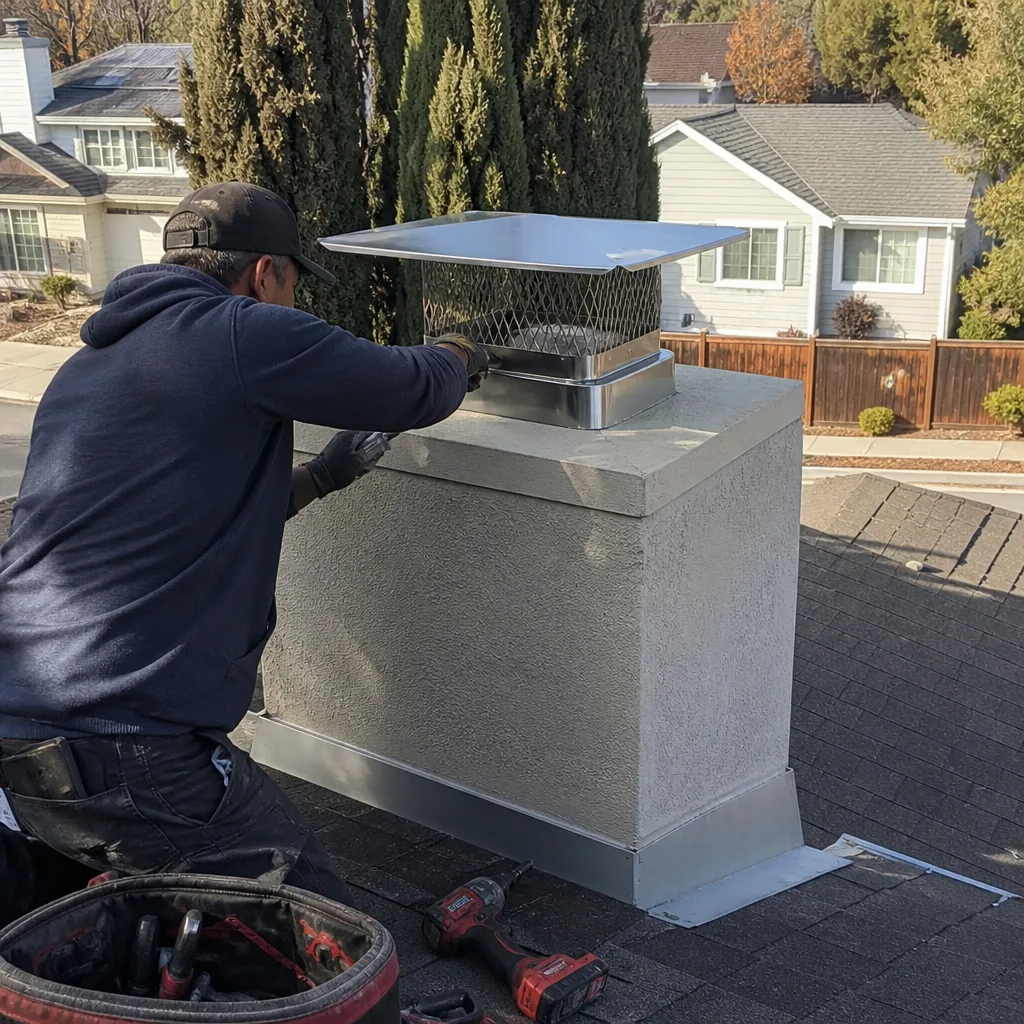
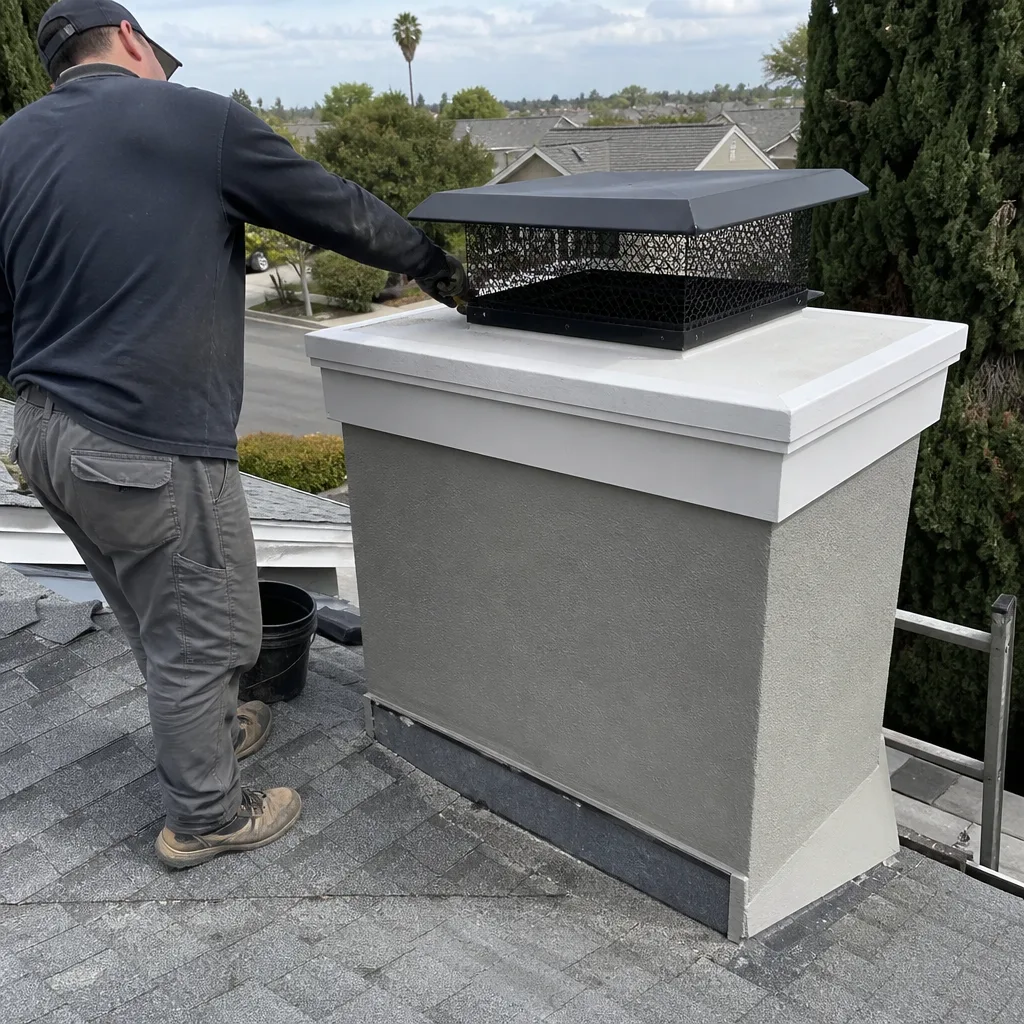
- Neglecting the chimney cap. A $150 to $400 cap prevents animals, rain, leaves, and wind problems. It’s the highest-return chimney investment you can make, and it’s worth every dollar.
When to Call a Professional
Call a professional when you notice an animal in the chimney, smoke entering the home on most fires, a strong smell that doesn’t clear after a sweep attempt, evidence of water damage around the chimney chase, or cracks in the firebox or exterior masonry. Call if you can’t remember the last time the chimney was inspected. Call if you’re buying a home with a fireplace and the previous owner left no maintenance records. Call if your smoke detectors go off every time you use the fireplace, regardless of whether the fire looks right. Each of these is a legitimate reason to have someone look. Ashby Chimney San Jose offers free estimates in San Jose, and the person who answers the phone is a live human being, 24 hours a day. Call (669) 266-5073 and describe what you’re seeing. We’ll give you a straight answer about what’s likely going on, what it costs, and whether it needs to be handled now or can wait. Then we’ll put the price in writing before we ever start work.
Frequently Asked Questions
A standard chimney sweep in San Jose typically runs between $180 and $340 for an open fireplace, with the exact price depending on the flue length, the amount of creosote buildup, and whether a camera inspection is included. We always give a written price before starting, so the number we quote is the number you pay. Call (669) 266-5073 for an exact quote.
For a wood-burning fireplace used regularly through the winter, a sweep every 12 to 24 months is the right interval. Fireplaces used only occasionally can go two to three years. The deciding factor is one-eighth of an inch of soot accumulation, which a professional can measure with an inspection. If you’re unsure, book a sweep and let the inspection tell you whether it was needed.
Creosote continues to accumulate, and at some point it becomes fuel for a chimney fire or restricts the flue enough that combustion gases, including carbon monoxide, back up into the home. Neither outcome is worth the $250 you saved by skipping the sweep. The long-term risk increases with each burning season you skip, and older chimneys with stage-three creosote are the most dangerous.
You only need a new liner if the existing one is cracked, crushed, flaking, or damaged to the point where it can no longer safely contain combustion gases. A cleaning problem is solved by removing creosote. The definitive test is a video inspection after the flue has been swept, and you should see the camera footage yourself before approving any relining work.
The smell is caused by creosote and soot absorbing humidity from the warm air and releasing odor molecules into the room. It’s a reliable sign that the flue has deposit buildup, and it’s best addressed with a spring or early summer sweep before the cool season. The smell will return each summer until the deposits are removed.
You can, but we don’t recommend it in most San Jose homes, and here’s the honest reason. A do-it-yourself sweep can’t assess the full condition of the flue, can’t perform a camera inspection, and can’t determine whether the liner is sound, as we cover in our DIY vs Professional Chimney Cleaning guide. You’ll spend a Saturday covered in soot and still not know whether the chimney is safe. A professional sweep costs less than most people expect and includes the inspection that gives you a real answer. If you’re determined to do it yourself, use proper chimney brushes sized to your flue and wear full eye and respiratory protection.
Yes. While gas fireplaces don’t produce creosote, they still need periodic inspection for venting issues, carbon monoxide safety, and component wear, and we handle them as part of our standard service coverage in San Jose.
The Bottom Line
The warning signs that matter most are the quiet ones: a smell in summer, soot in the firebox, a lazy fire, a scratch in the chimney. Learn them, and you’ll catch problems when they cost $250 to fix instead of $5,000. The signs that get hyped as urgent are often nothing more than cold flue air or wet wood, and knowing the difference keeps you from paying for a service that won’t fix the real issue. When in doubt, call a company that writes the price before starting and shows you the camera footage rather than telling you to trust the recommendation, or explore more guides & resources to stay informed. That’s how we’ve operated in San Jose since 2002, and it’s the standard every chimney owner should expect.
Written by Nathan Corliss, Owner at Ashby Chimney San Jose, serving San Jose since 2002.
See the difference
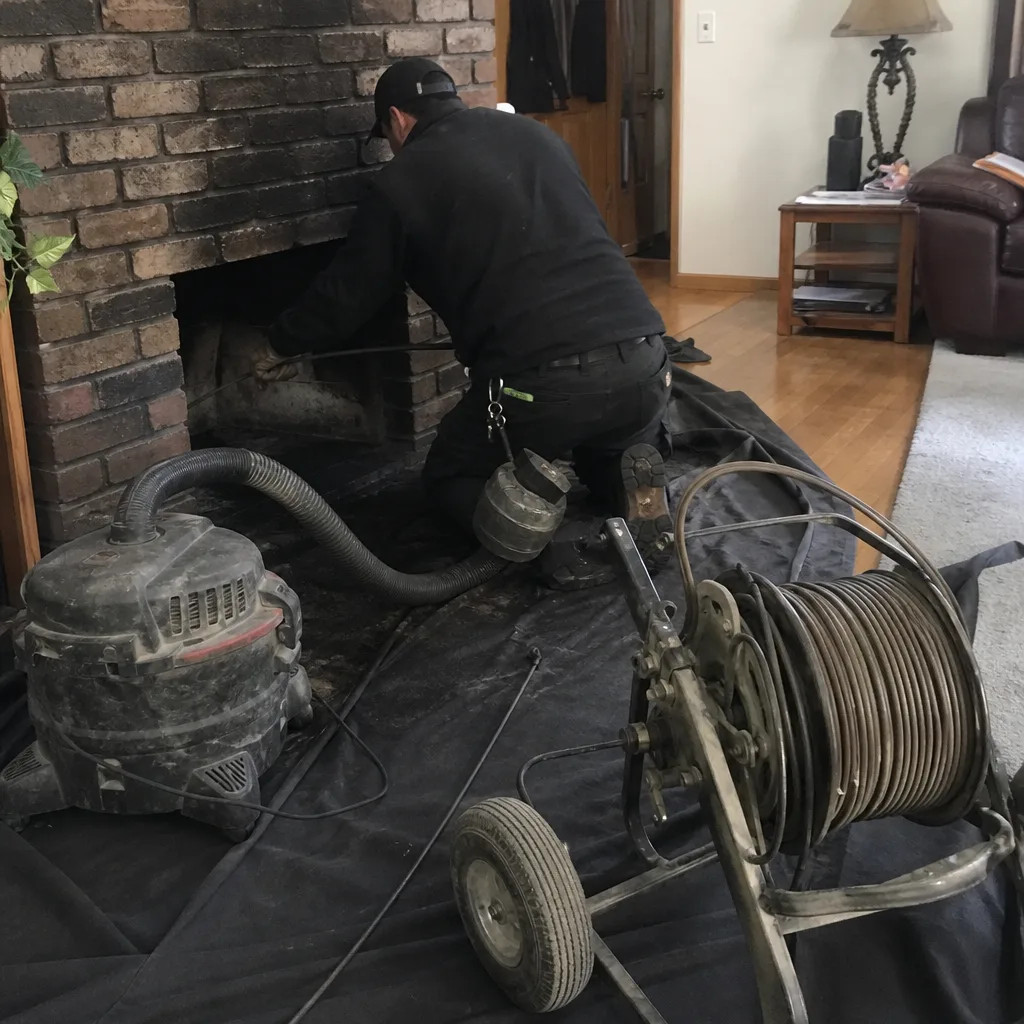 Before
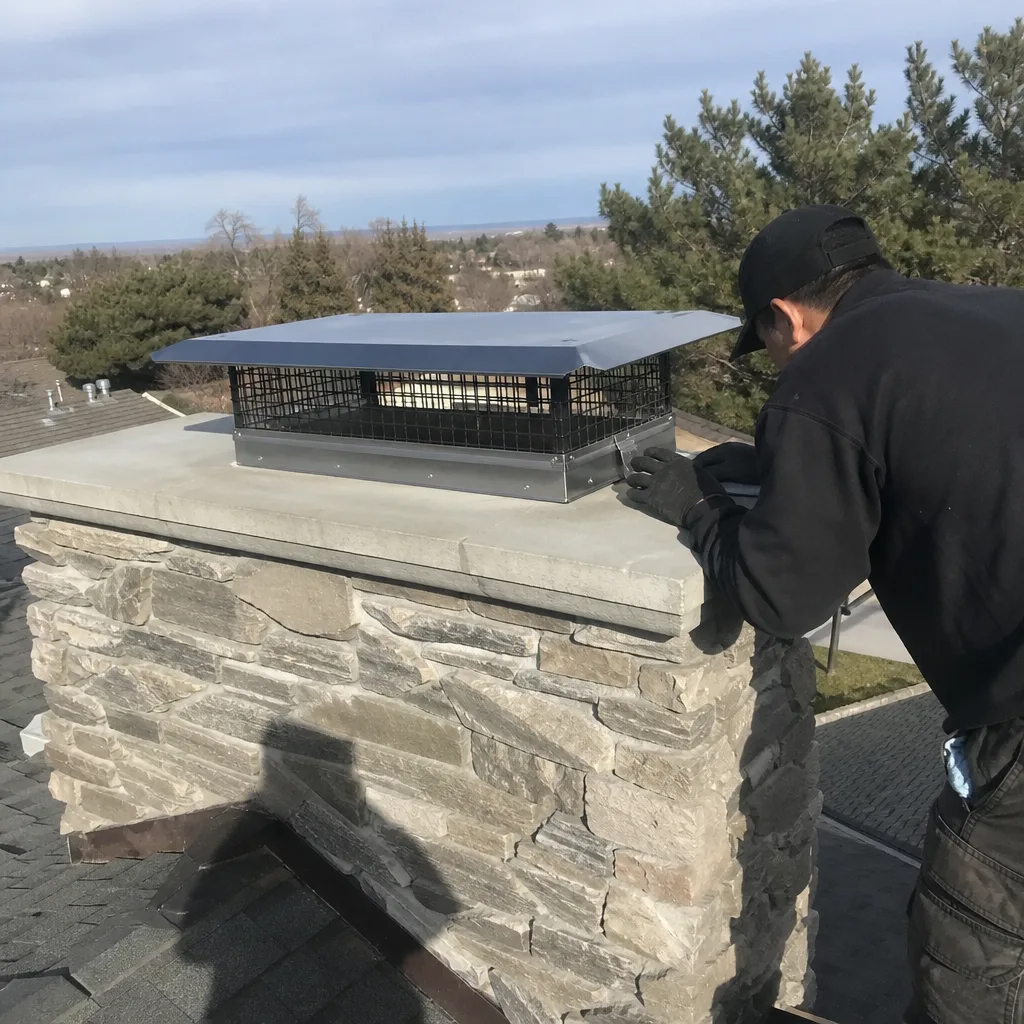 After
After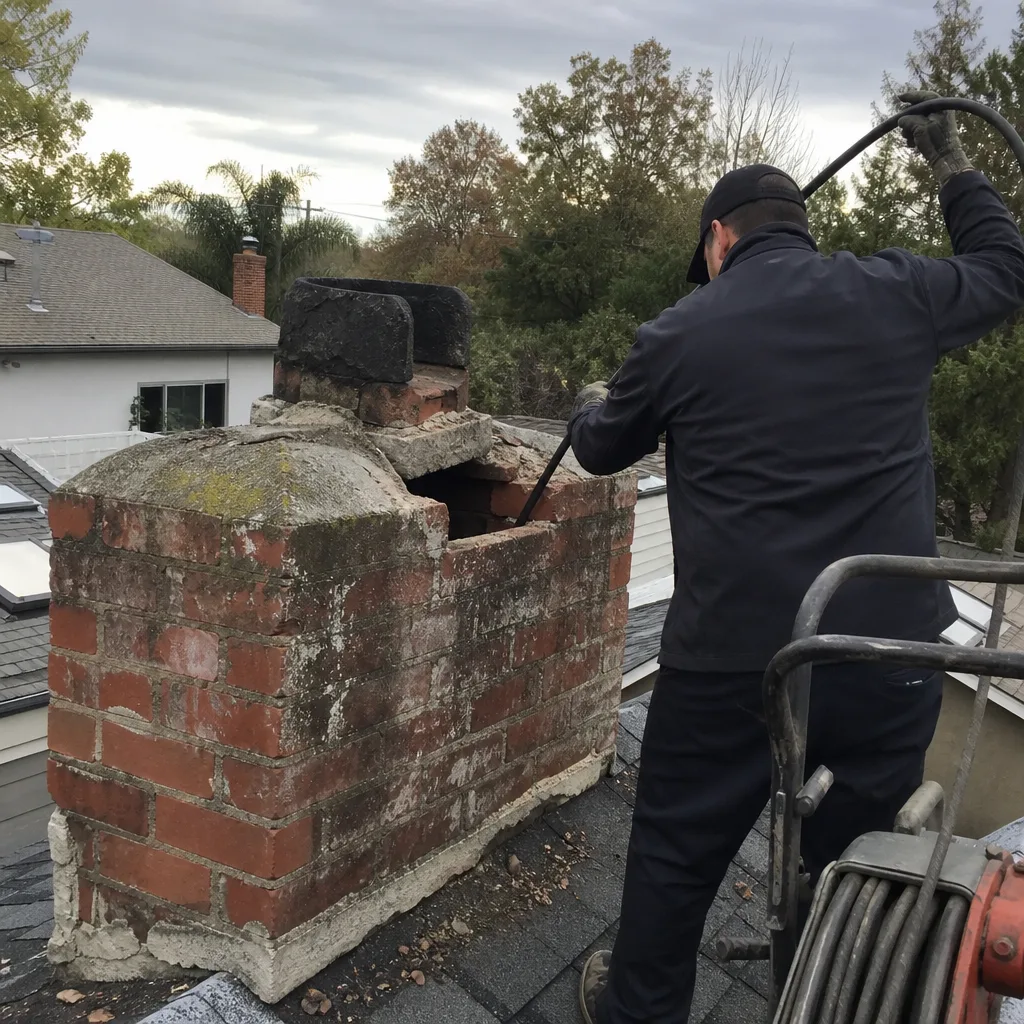 Before
 After
After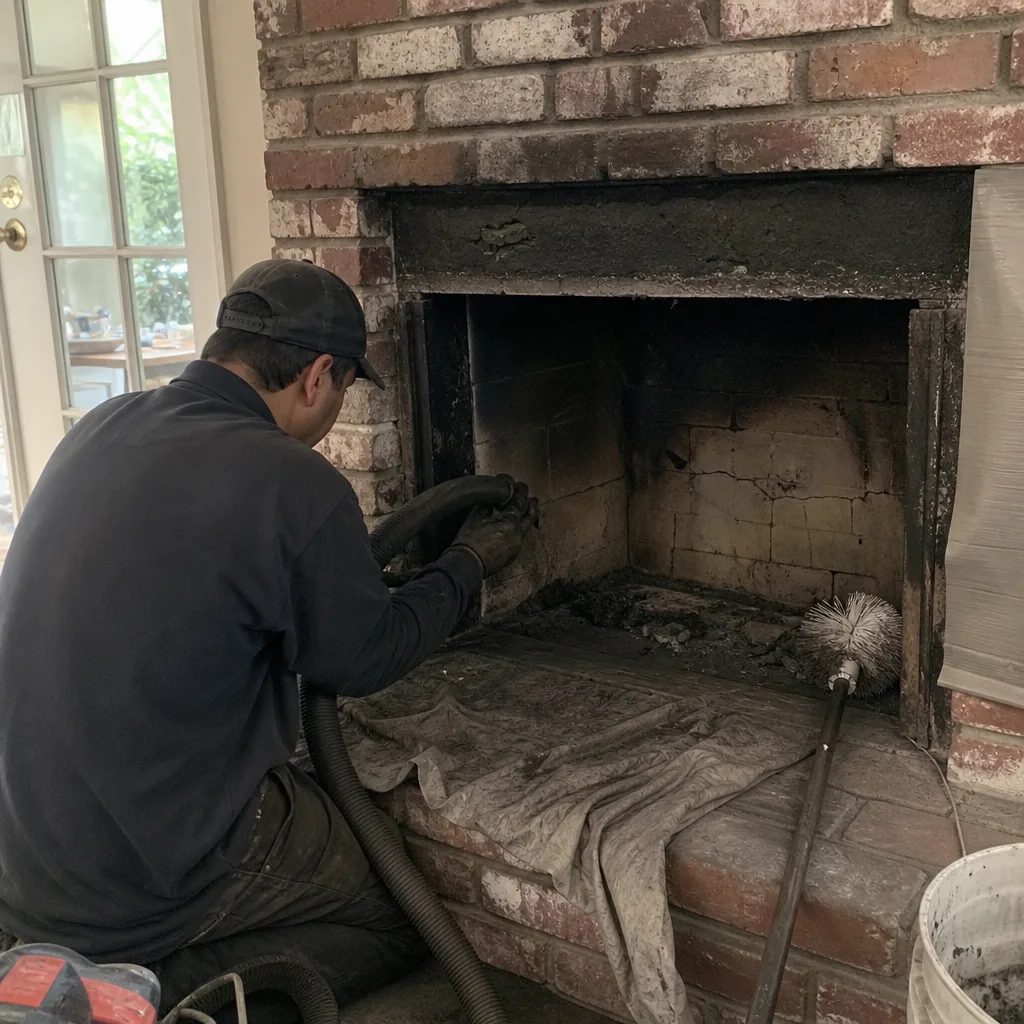 Before
 After
After